
Design
Branding
Digital

Isabel Lauren Loewe
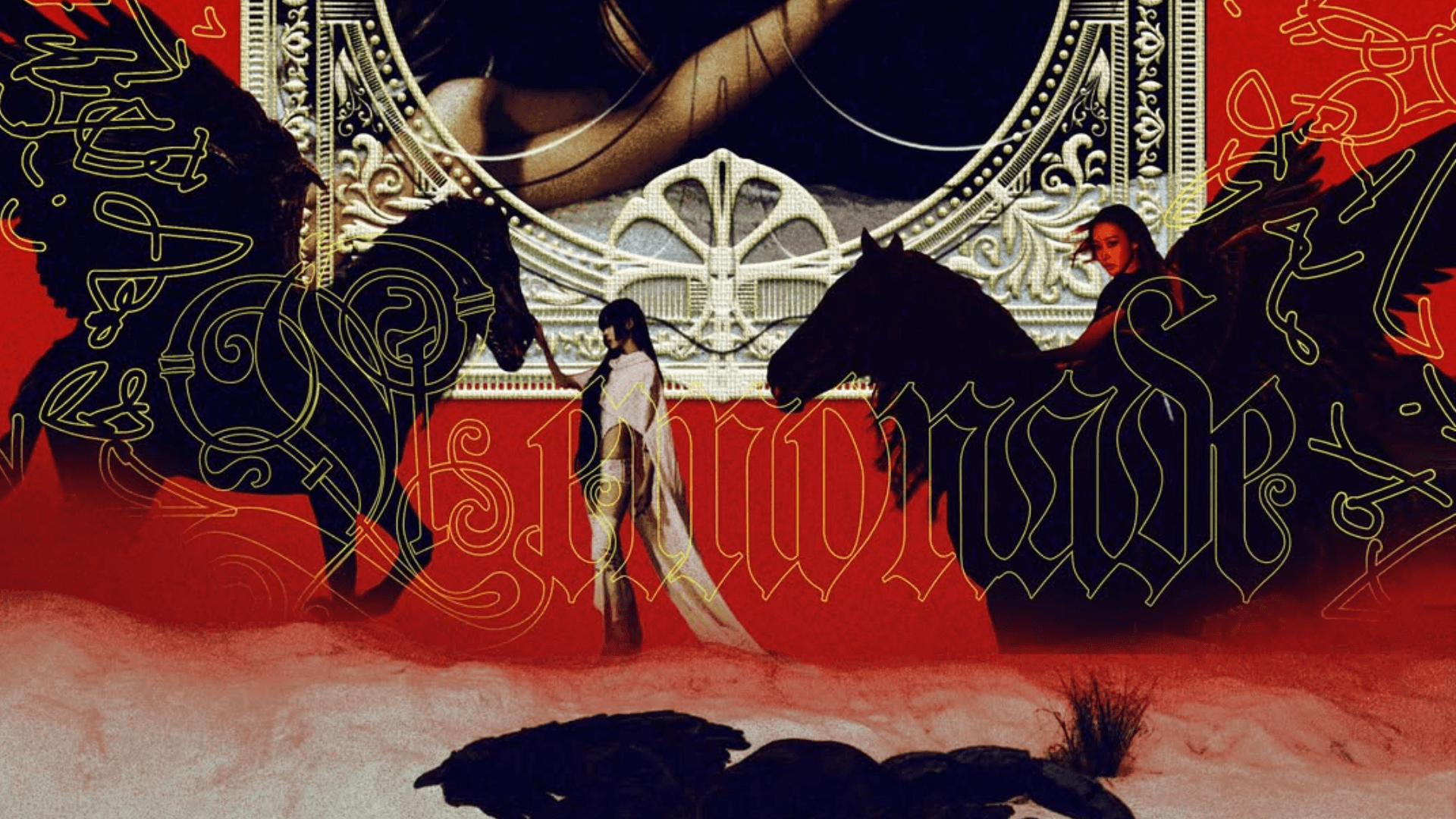
'The Creature', 2026
Danielle Taylor didn't want to study graphic design. She wanted fine arts, and when her parents pointed her elsewhere, she spent her freshman year of college with a grudge against the whole field and no particular desire to lose it.
What came next wasn't a conversion so much as a decision. She turned graphic design into an obsession specifically because she needed a reason to like it, and she worked at it until the reason showed up, which it did, slowly and then completely.
By the time she graduated with her BFA, she had moved through motion design, photography, videography, and 3D work, and she was building full worlds inside her graphics, complete with fake rules, invented credits, and lore that existed nowhere except inside the piece. She was already thinking like a creative director. None of it would have happened if she'd gotten what she asked for.
A lot of your work uses very committed color palettes. Do those color decisions come before or after you know what the piece is?
The color choices I use for a lot of my designs really depend on what the project is or what type of mood I'm feeling that day. For my personal concept designs, a lot of them are in blues and reds because I really love those colors the most. I don't have a specific reason, but if I was doing a K-pop concept, a lot of their designs are normally in red or blue hues and I try to stay consistent with that. So yeah, I just really like reds and blues and pinks.
At what point in the process do colors come in? Do you start with colors or do they come in later?
I actually start off with the typography first. I just start blocking in how I want the layout to look and then I do coloring last.
A lot of your work uses duotone and halftone to flatten the photography into something more graphic. What draws you to that approach over more photorealistic compositing?
I actually never realized that I used duotone and halftones. I guess I do a mixture of it. The main textures I use is grain. I really like those rough textures in my designs because they draw people in a lot more. At least they draw me in. I often really like how it feels, it grabs my attention a lot. And whenever I share with friends or with clients who like that style I normally do for my personal work, they often say, "Wow, this is really cool. I've never seen this before." So I've just stuck with that type of style.
What's your process? Run me through making a graphic from start to finish.
My process has developed a lot differently over the years. During school I would always start off with a sketch and then bring that sketch into Photoshop or Illustrator and start building out from there. But ever since I started the 365 day challenge about three years ago, I've been doing it so much every single day that I actually just start off in Photoshop without a sketch and start blocking in the pieces I'd like to have in the graphic and then build out from there.
I normally start with either the type treatment, just finding out what fonts I want to use, and then next I'll start with the actual graphic images, masking those out, putting in the shadows, putting in the different elements to build up more depth. And then afterwards I put in my gradient maps or my grains and all my texture layers. It just develops more and more into the final result.
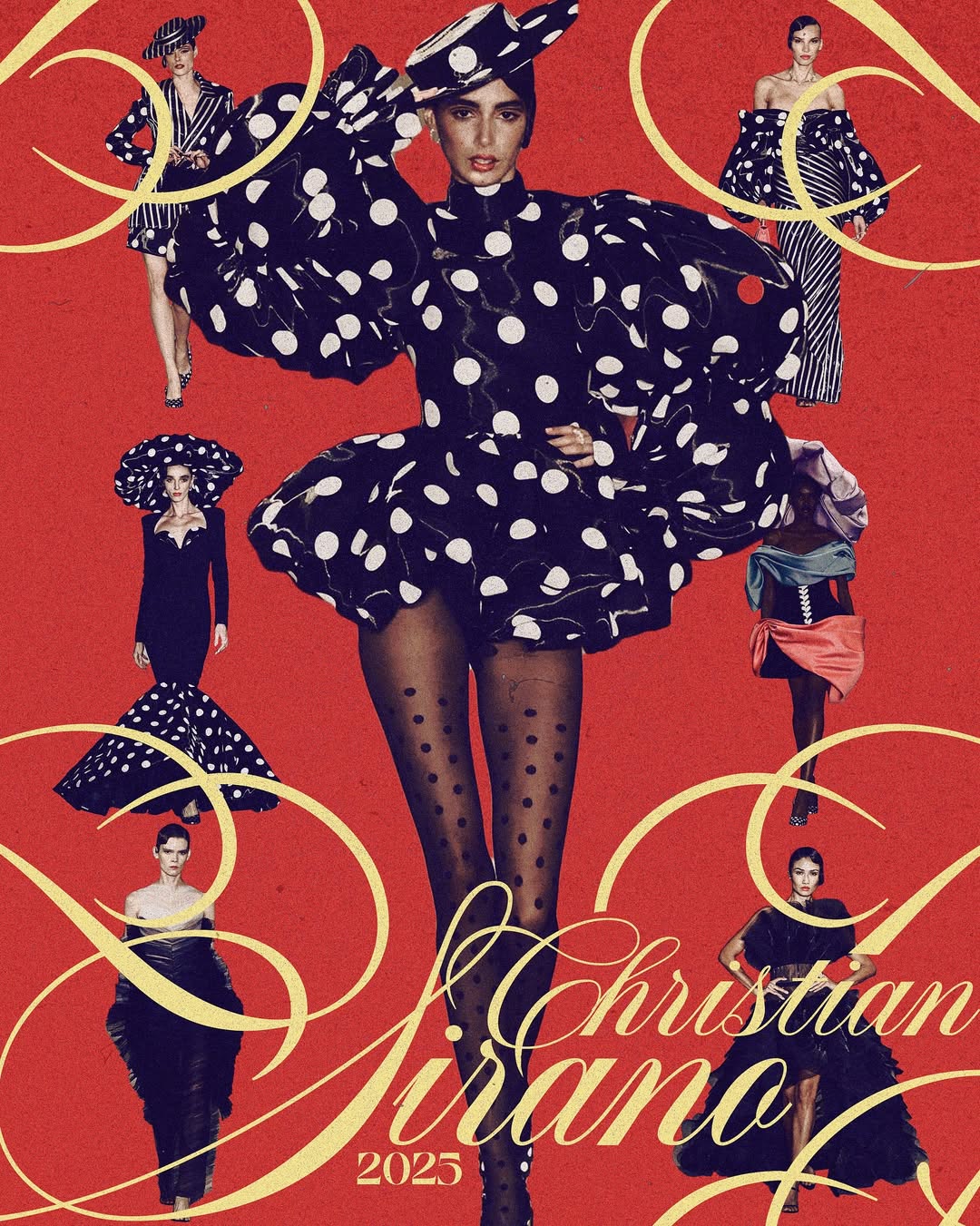
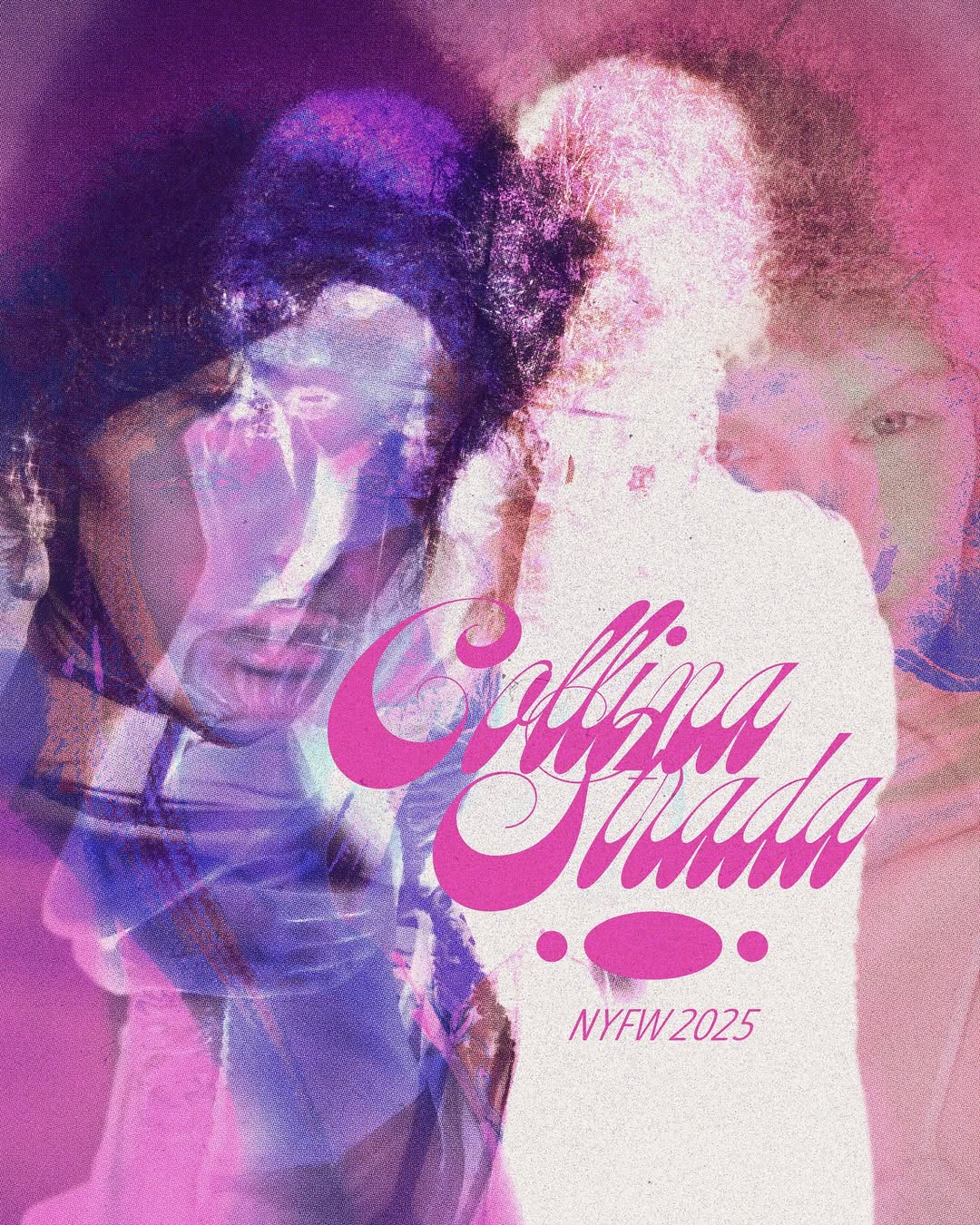
'NYFW', 2025
Where do you source your images and inspiration?
I used to use Pinterest and now I've migrated over to Behance. I've also been on this platform called Notefolio, which is very similar to Behance. And now I'm moving over to Cosmos as well. They've done a lot of more curated design styles and I really like how people put their work on there. It's very different and I've gained a lot of inspiration from there.
Your designs seem very layered. How do you know when to stop adding to a design?
If you scroll down to the very beginning of how my work used to look, it was very maximalist, a lot of it was all over the place and there wasn't a strong hierarchy. Now that I've gained a lot more knowledge for how design should be laid out and how it can be cleaned up, my main focus is: is it breathable enough? Making sure the text or image has enough breathing room within the canvas. I normally just take a step back and make sure it feels strong enough that I don't have to add more just to make a statement.
Your work is very intense, high saturated colors, high contrast, visually loud. Is that a deliberate choice or just where your eyes naturally go?
I think that is a deliberate choice now. My teachers in the past would categorize me as a rebel in design because I really didn't mesh well with minimalism, even though I still do it for client work. In the past I was just like, I cannot do minimalism at all. But now I really enjoy mixing the two together because I feel like they both have a purpose. I still have that heart for maximalism, but now that I've gained more knowledge of design I'm blending the two together a little bit more.
Which do you prefer at this point in your career, more maximalist or more minimalist?
I prefer maximalism all the way. But I don't mind doing minimalism.
Which do your clients ask for more?
It's kind of a mix of both. I've been doing a few branding projects and that's more in the minimalism area. Right now I'm in the marketing industry so a lot of it is more minimalism for each client I'm working with. And then if I'm doing a freelance gig it'll probably be more maximalist because they're either finding me from Instagram or from a friend. So it really depends, but currently it's more in the minimalism area since that's where my field is at.
Your pieces read like they exist in a specific world that you're creating. The glass piece has its own rules posted on the bottom, the Flog Knob piece has its own fake entertainment credit. Whenever you're building out your designs, are you building out a concept or does the concept emerge as you're making it?
I actually am building out a concept. I forgot to mention that during the process part. I do a lot of research of what I want the vibe to be. I'll create a Pinterest board or a little board in Canva and just put a bunch of images together of what the mood could be. I normally try to plan out a concept first before I start the actual design. Like the recent personal work I did for ASPA. The photography felt very medieval to me, so I wanted to blend my style with a medieval look and feel.
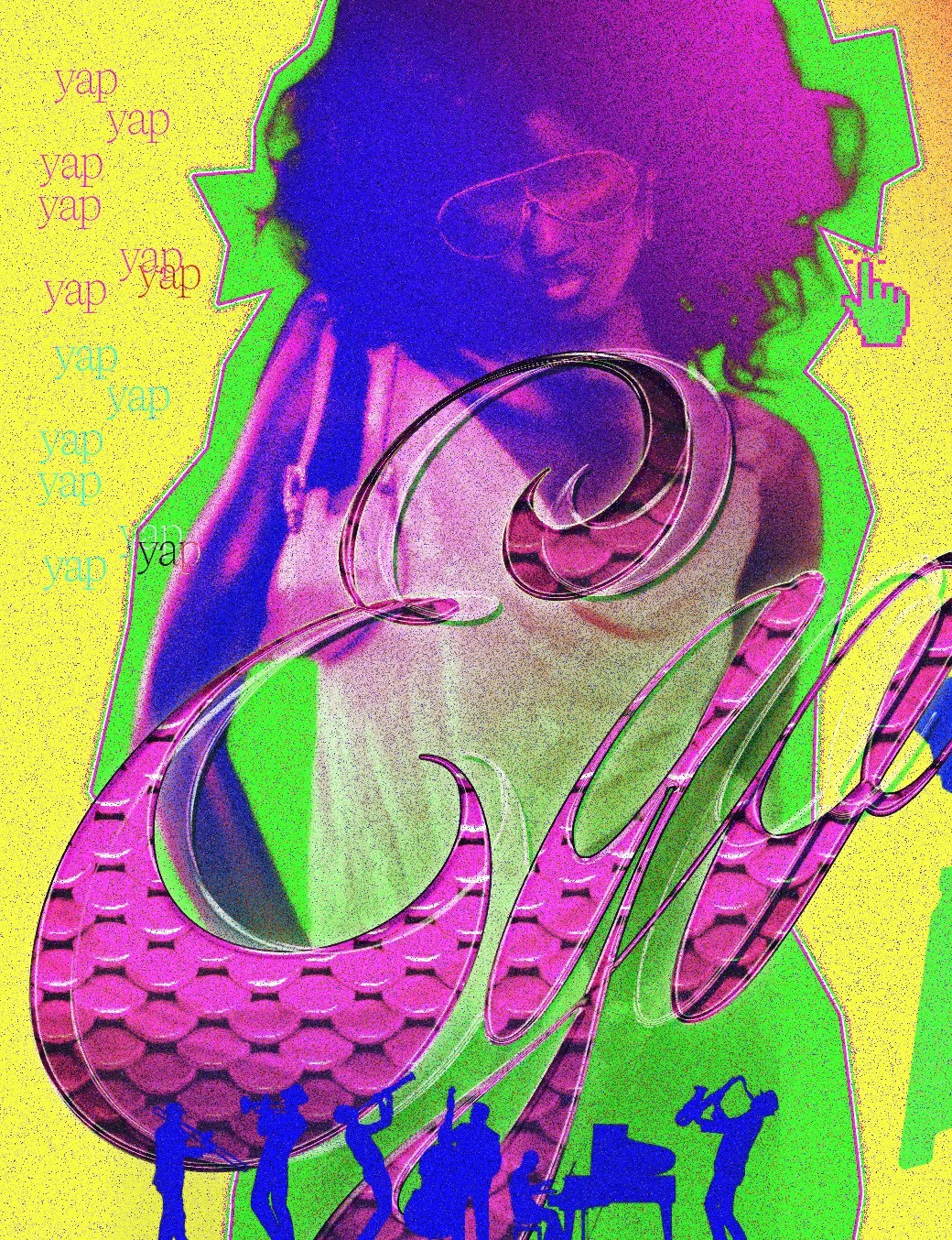
'ALTER EGO', 2026
Where do you source your images and inspiration?
I used to use Pinterest and now I've migrated over to Behance. I've also been on this platform called Notefolio, which is very similar to Behance. And now I'm moving over to Cosmos as well. They've done a lot of more curated design styles and I really like how people put their work on there. It's very different and I've gained a lot of inspiration from there.
Your designs seem very layered. How do you know when to stop adding to a design?
If you scroll down to the very beginning of how my work used to look, it was very maximalist, a lot of it was all over the place and there wasn't a strong hierarchy. Now that I've gained a lot more knowledge for how design should be laid out and how it can be cleaned up, my main focus is: is it breathable enough? Making sure the text or image has enough breathing room within the canvas. I normally just take a step back and make sure it feels strong enough that I don't have to add more just to make a statement.
Your work is very intense, high saturated colors, high contrast, visually loud. Is that a deliberate choice or just where your eyes naturally go?
I think that is a deliberate choice now. My teachers in the past would categorize me as a rebel in design because I really didn't mesh well with minimalism, even though I still do it for client work. In the past I was just like, I cannot do minimalism at all. But now I really enjoy mixing the two together because I feel like they both have a purpose. I still have that heart for maximalism, but now that I've gained more knowledge of design I'm blending the two together a little bit more.
Which do you prefer at this point in your career, more maximalist or more minimalist?
I prefer maximalism all the way. But I don't mind doing minimalism.
Which do your clients ask for more?
It's kind of a mix of both. I've been doing a few branding projects and that's more in the minimalism area. Right now I'm in the marketing industry so a lot of it is more minimalism for each client I'm working with. And then if I'm doing a freelance gig it'll probably be more maximalist because they're either finding me from Instagram or from a friend. So it really depends, but currently it's more in the minimalism area since that's where my field is at.
Your pieces read like they exist in a specific world that you're creating. The glass piece has its own rules posted on the bottom, the Flog Knob piece has its own fake entertainment credit. Whenever you're building out your designs, are you building out a concept or does the concept emerge as you're making it?
I actually am building out a concept. I forgot to mention that during the process part. I do a lot of research of what I want the vibe to be. I'll create a Pinterest board or a little board in Canva and just put a bunch of images together of what the mood could be. I normally try to plan out a concept first before I start the actual design. Like the recent personal work I did for ASPA. The photography felt very medieval to me, so I wanted to blend my style with a medieval look and feel.
Tell me about the magazine you're starting.
It's called Taylor Magazine. The main purpose is fashion. I want to steer away from straight graphic design, especially since I want to be in the creative director field. I've been doing a lot of work in motion design and photography and working with some film majors at my school, and I've just gained so much inspiration from other magazines that I want to start creating my own. I kind of want to blend the arts of design with the arts of fashion together. I feel like I've seen it done before, but they're more so focusing on the culture of fashion rather than the arts of fashion now, which makes sense because a lot of people want to focus on trends rather than the history. That's the main purpose of the magazine I'm trying to build out. I still need to define it a little bit more, but that's where I'm at.
What gap are you trying to fill. Is it the creative director role you're creating for yourself, or something else?
I'm also trying to fill the editorial design world. I was working with a marketing department about three years ago and they were doing a lot of editorial design work: brochures, newsletters, postcards, all kinds of different tangible products — and I just really love that and want to build it out again. A lot of people say physical media is dying and I personally don't think it is. I want to revive it if it is. I found a love for it, and besides creative direction, I want to do editorial design.
You're coming from a graphic design background with a strong visual identity you've built for yourself. How do you think that will translate into your editorial identity with the magazine?
Hopefully it'll translate in a fun way. A lot of the past editorial work I've done was kind of boring and very corporate, not minimalistic, just very plain. Because I really love vibrant and maximalist design, I want to incorporate that into the editorial work I do in the future. I feel like I'll hopefully be able to make an impact within that realm.
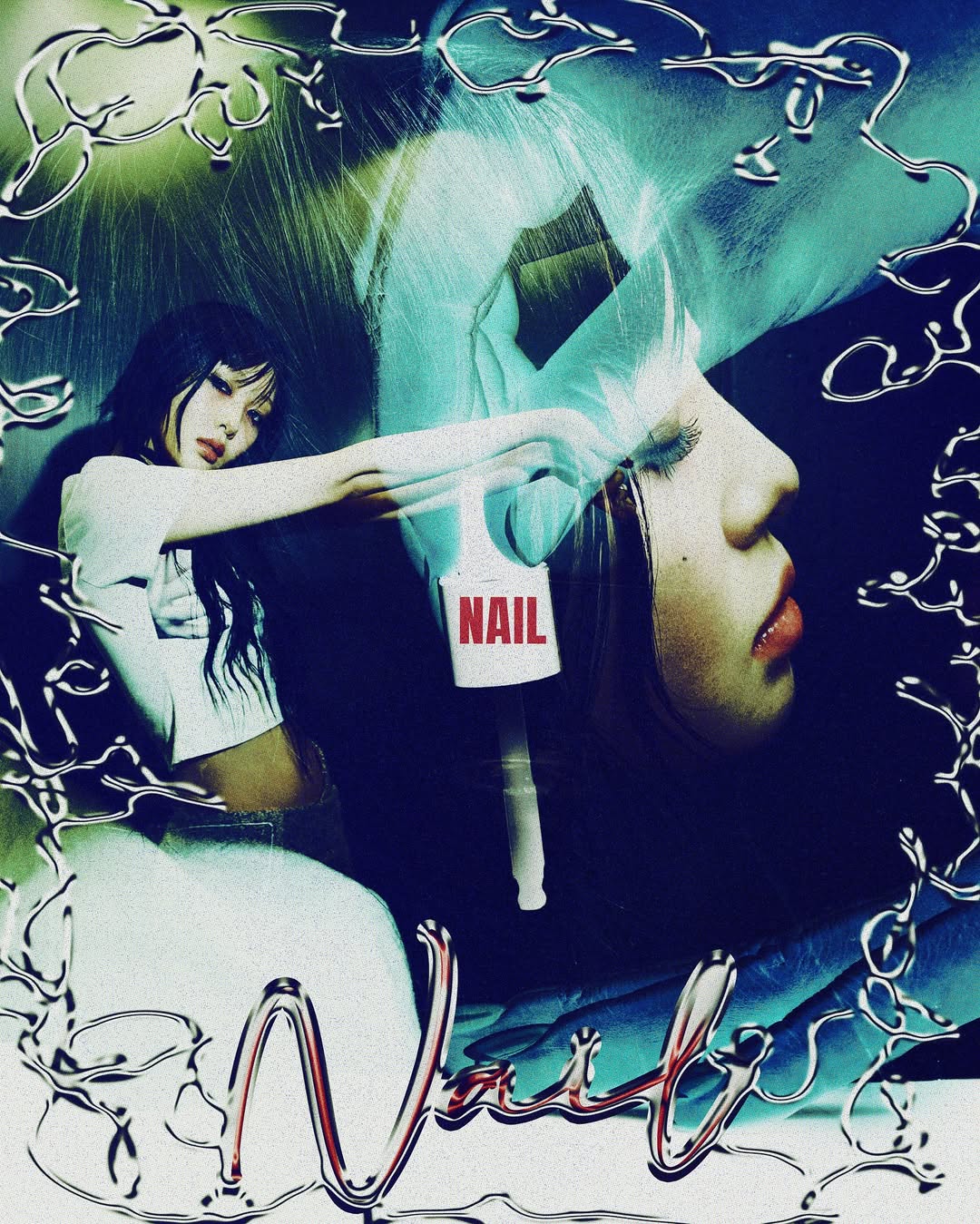
'NAIL', 2026
What's been the hardest part of building the magazine so far?
Just finding time. I have my ideas. I've been writing in my iPad about what it could be, what it could look like. I've created a general brand brief, I've already created the logo, I have the general idea of what it could be. But it's just finding time to fine-tune those things and trying to build out a team because I can't do it by myself. And just trying to build out a detailed story that makes sense. I feel like there has to be a reason for it. I'm still trying to find that reason. Like, I love to do it, but I just don't know why yet. The main thing is just finding time since I've been doing so much other stuff.
Are you freelancing or working for a firm right now?
I'm actually doing both. I work for a social media agency. They do a lot of social graphics for various different companies and clients. And then on the side I do freelance work. So I'm working way more hours than I should be. The grind basically never stopped since I graduated.
How are you finding freelance clients?
Fortunately it's just been by word of mouth. I haven't really been active on social media recently. In the past it normally came from there. But right now it's just been, "Hey, I need a designer, are you free?" Once I start getting active again on social media it'll probably come from there too.
When did you start doing design? Was that your major in college?
Yes. I studied for a BFA in graphic design. I just graduated about a year ago. Over those four years I learned not only graphic design but also motion design, a tiny bit of 3D, photography, and I did some videography work and worked with the film department on a few personal projects. Getting that BFA was very helpful because since I'm striving for creative direction, being able to experience so many different disciplines over those four years was really valuable.
Looking back at your earliest work, what do you think you figured out first when it comes to design?
I didn't necessarily have a passion for graphic design when I was a freshman. I kind of got pushed into it since it was the better of the arts from what my parents would say. I wanted to do fine arts but ended up in graphic design. So freshman year I had a bit of a grudge against it, and then sophomore year it developed into a love for it, mostly from me turning it into an obsession because I just wanted to find a reason to like it. It kind of grew on me. And then being able to do so many different mediums of art made me realize, design doesn't have to be digital. It can be physical design, photography design. There's design in so many different areas of art. I just grew an appreciation for it rather than a grudge, which I'm really happy about.
Where do you see yourself in the next five years?
In five years I'll have my magazine up and running. That is the main goal. I don't want to stay in graphic design or where I am right now. I want to branch off into where I actually want to be, which is in the fashion world. Even though I don't have a background in fashion since I didn't go to a fashion school, that doesn't really matter to me personally. I can still gain so much knowledge about fashion, and having that knowledge of editorial design and putting it into fashion is going to help me so much. Hopefully.
Taylor Magazine doesn't have a launch date yet. It doesn't have a full team, or a completely defined reason for existing, which Danielle Taylor will tell you herself without much hesitation. What it has is a logo, a brand brief, a vision for what the arts of fashion could look like when someone with a maximalist's eye and an editorial instinct gets to set the terms. It also has time, which is the one thing she hasn't quite found enough of yet. She is working a full-time job at a social media agency, taking freelance work on the side, and somewhere in between she is sketching out a magazine that she believes physical media needs even if she can't fully articulate why. That uncertainty doesn't seem to slow her down. She has been building toward something she couldn't name before, from a field she didn't choose, and she ended up exactly where she was trying to go. The magazine will get there too.


Articles
Magazine
Submissions