

PROFILES, PROCESS, PERSPECTIVE.
Articles
Creator stories and artist insights from those shaping visual culture online.
Profiles, process, and studio stories from artists shaping the content culture.
Real people. Real work.
Thoughtful stories that go deeper.

FEATURED CONTENT
Magazine
Veros Magazine Summer & Fall 2026
In this Summer/Fall 2026 double issue, we went deeper into the craft behind creative work, exploring how 16 artists from around the world turn ideas into something tangible. From digital illustration and wood sculpture to playing cards, psychedelic visual effects, photo collage, and more, this issue looks beyond creative impulse to the technique, intention, and experience that bring great work to life.
In this Summer/Fall 2026 double issue, we went deeper into the craft behind creative work, exploring how 16 artists from around the world turn ideas into something tangible. From digital illustration and wood sculpture to playing cards, psychedelic visual effects, photo collage, and more, this issue looks beyond creative impulse to the technique, intention, and experience that bring great work to life.
Read Now
LATEST STORIES

3D
Art Toy
Spicy Plastic Turns Myth Into Toys
Spicy Plastic looks like a toy line from a world where shrines, memes, dragons, planters, and old symbols all belong on the same shelf. Nacho Ruiz describes it as “adult Fisher-Price,” which feels close to the truth of the work

Photography
2eggcellent Chases Shapes in the Everyday
2eggcellent’s photographs begin with attention before they become images. A red shape on the street, a circle repeated across a surface, a yellow object catching the light in an ordinary place. Based in Gyeonggi Province, South Korea, he has built much of his work from the small visual patterns that appear in daily life, especially when distance, time, and office work make it harder to chase landscapes.

Digital
Digital Painting
Enigmatriz Turns Old Paintings Digital
Enigmatriz builds images out of a strange collision between old paintings and digital code. A horse from a historical canvas, a figure from a public domain archive, a still life pulled from another century, all interrupted by characters, symbols, and cream-white texture.

Painting
Illustration
Chancellor Stokes and the Beauty of Dread
Chancellor’s paintings feel like they have been dragged out of a house no one wanted to look inside.
3D
Art Toy
3D Printing
Spicy Plastic Turns Myth Into Toys
Spicy Plastic looks like a toy line from a world where shrines, memes, dragons, planters, and old symbols all belong on the same shelf. Nacho Ruiz describes it as “adult Fisher-Price,” which feels close to the truth of the work
Photography
2eggcellent Chases Shapes in the Everyday
2eggcellent’s photographs begin with attention before they become images. A red shape on the street, a circle repeated across a surface, a yellow object catching the light in an ordinary place. Based in Gyeonggi Province, South Korea, he has built much of his work from the small visual patterns that appear in daily life, especially when distance, time, and office work make it harder to chase landscapes.
Digital
Digital Painting
Enigmatriz Turns Old Paintings Digital
Enigmatriz builds images out of a strange collision between old paintings and digital code. A horse from a historical canvas, a figure from a public domain archive, a still life pulled from another century, all interrupted by characters, symbols, and cream-white texture.
Painting
Illustration
Chancellor Stokes and the Beauty of Dread
Chancellor’s paintings feel like they have been dragged out of a house no one wanted to look inside.

Illustration
Digital
Design
Yann Bastard Strips Everything Back
The French-Spanish editorial illustrator who came up in graphic design and has been stripping his work back ever since.

Photography
Digital
Cagla Polat’s Melancholy Lens
Çağla Polat photographs melancholy in color. Istanbul appears through fog, neon, rain, motion blur, and the strange glow of streets seen before sunrise or after dark. The city is familiar to her in the way only a birthplace can be, but she photographs it as if it still has the ability to disappear.
Painting
Traditional Art
Portraiture
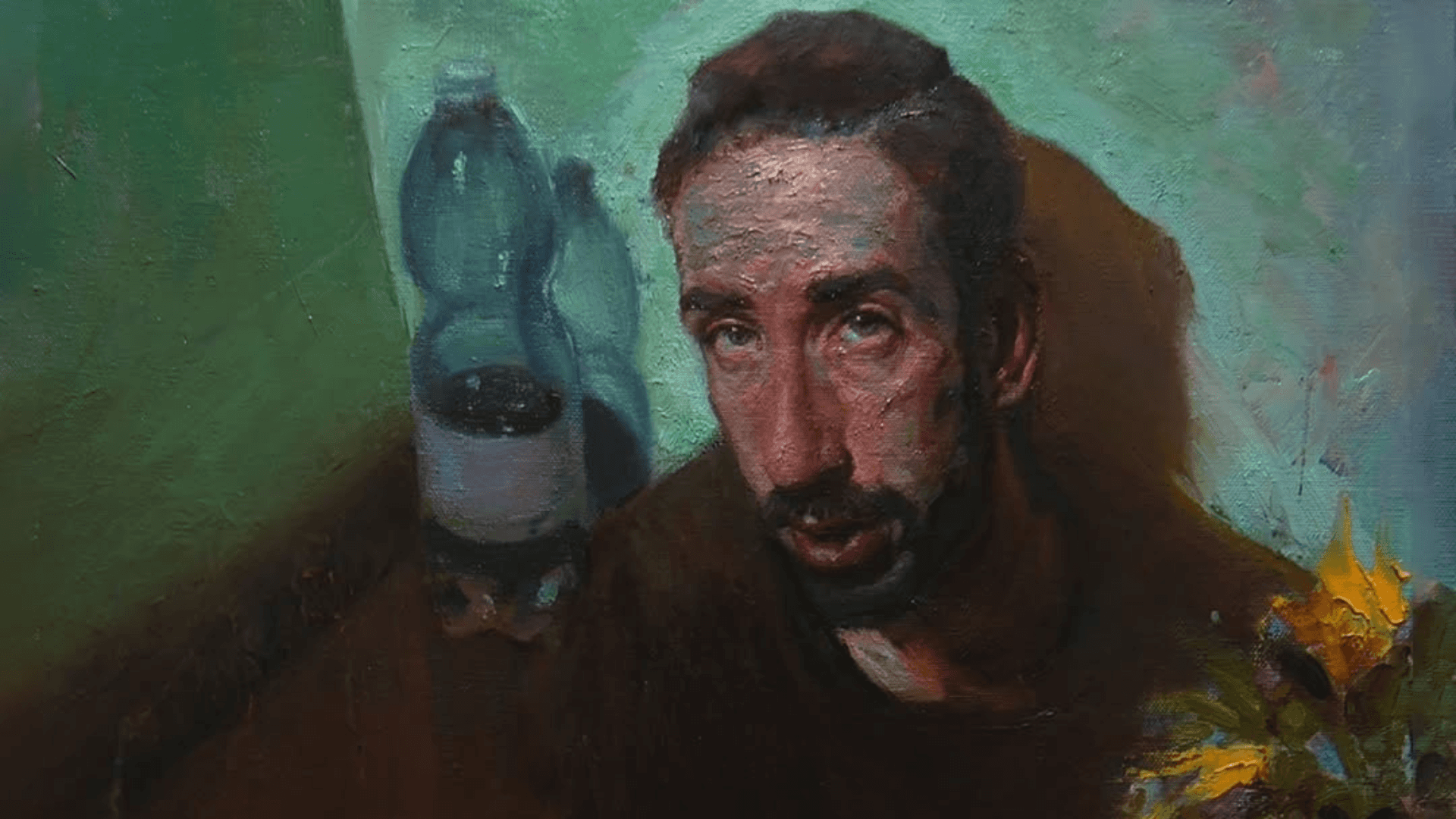
For Marco, Painting Is a Way of Surviving Life
The Rome-based oil painter who learned everything from one fellow student, has a neutral-to-hostile relationship with the art market, and is still working toward the series he has been avoiding for years.
Traditional Art
Illustration
Painting
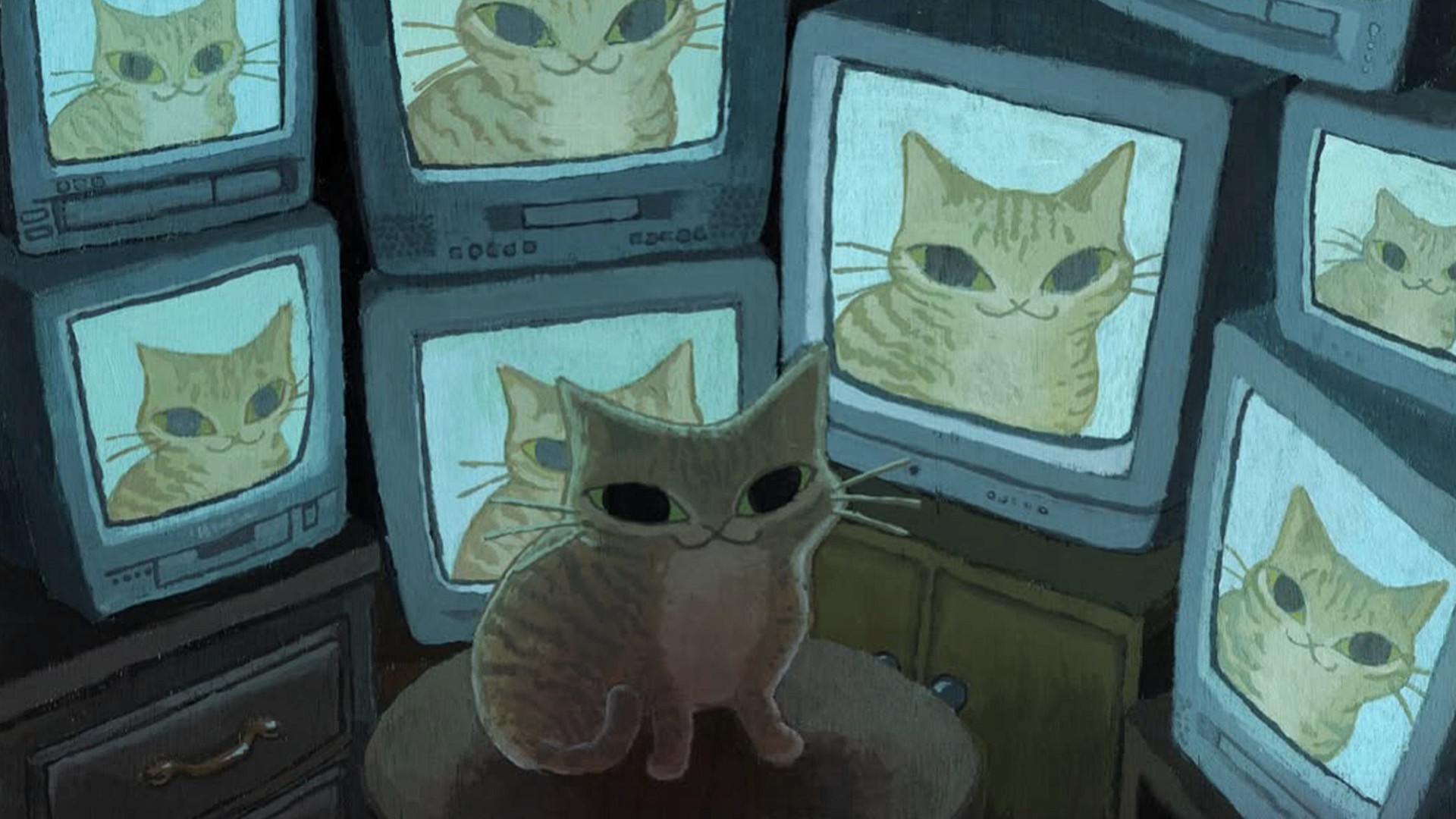
How Kelly Pringle Found Her Style Through Cats
The Florida illustrator who came up in 2D animation, found her style in vintage Japanese cat illustration, and has been building toward the Kelly Pringle Cat Empire ever since.
Art Toy
Design
3D
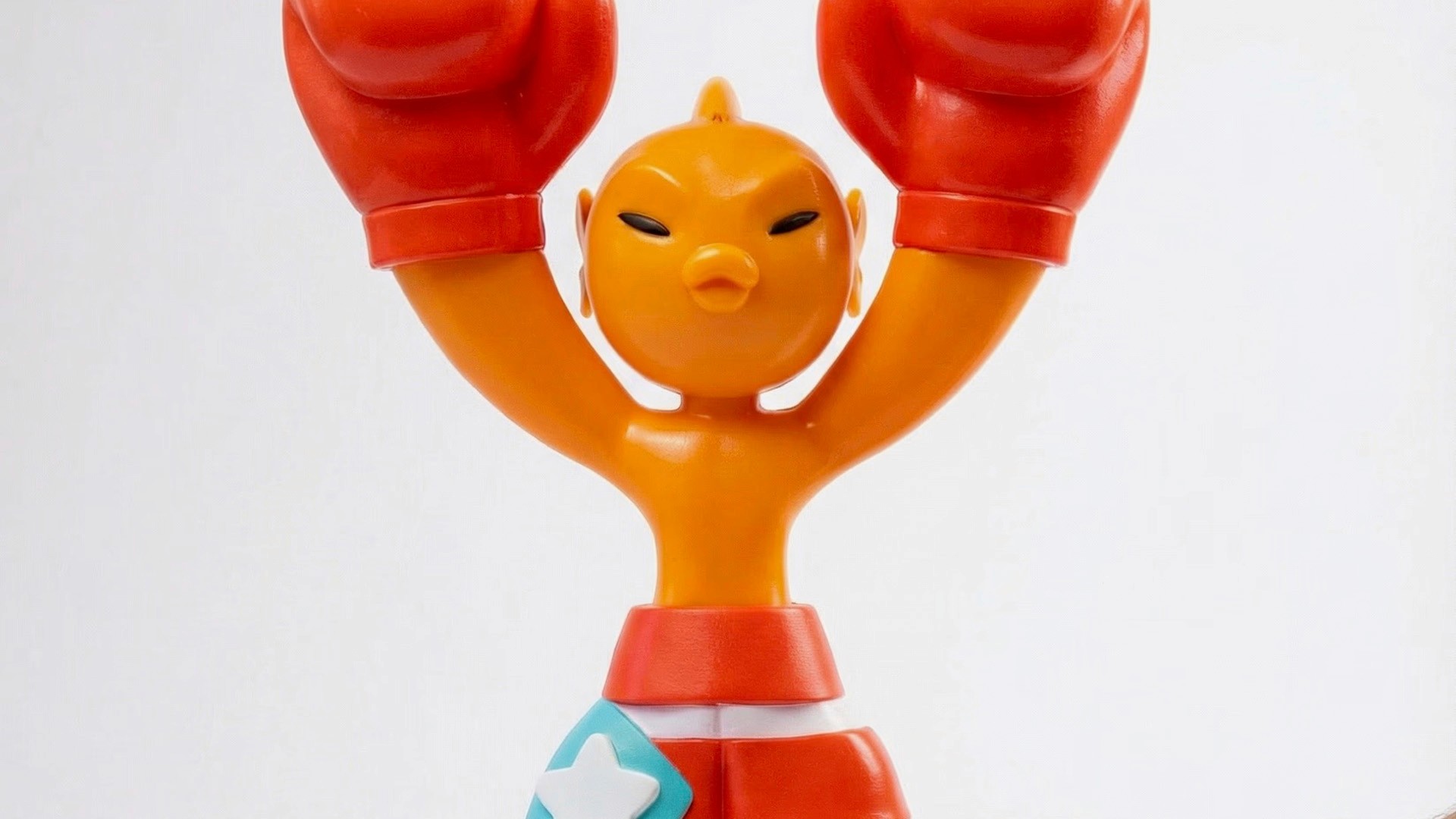
Carolina Wants You to Meet Pez
The Puerto Rican-Mexican collectible designer and art toy creator who built a thesis around a doodle, left a styling career to make art full time, and is about to introduce Pez to the world.
Digital
Motion Design
Branding
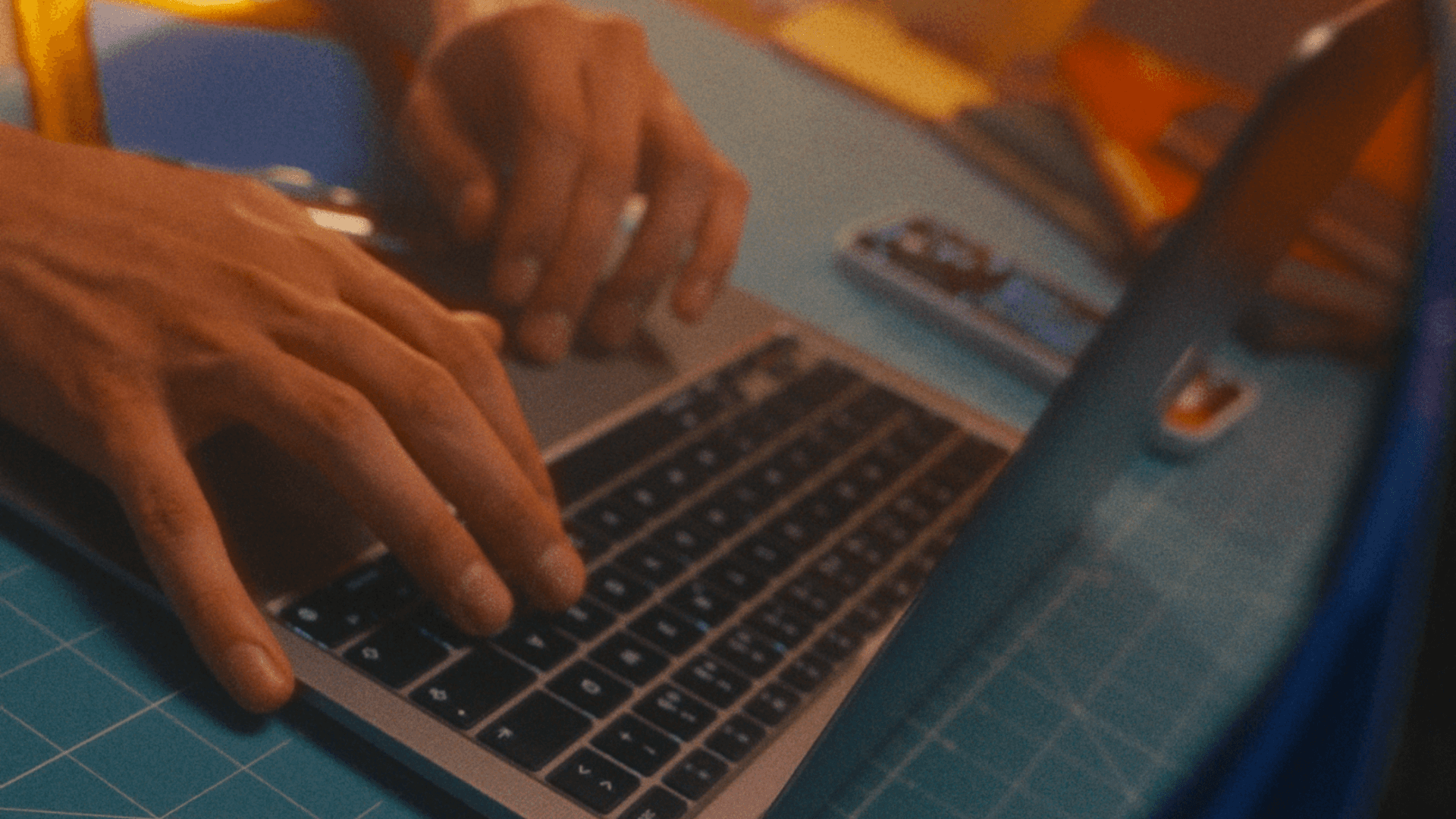
The Invisible Process of Sam Hox
Sam Hox's clients see three pitches. They never see the ten or twenty that came before them. By the time a mood board lands in front of a client, Sam has already done real design work inside it.
Digital
Digital Painting
Illustration
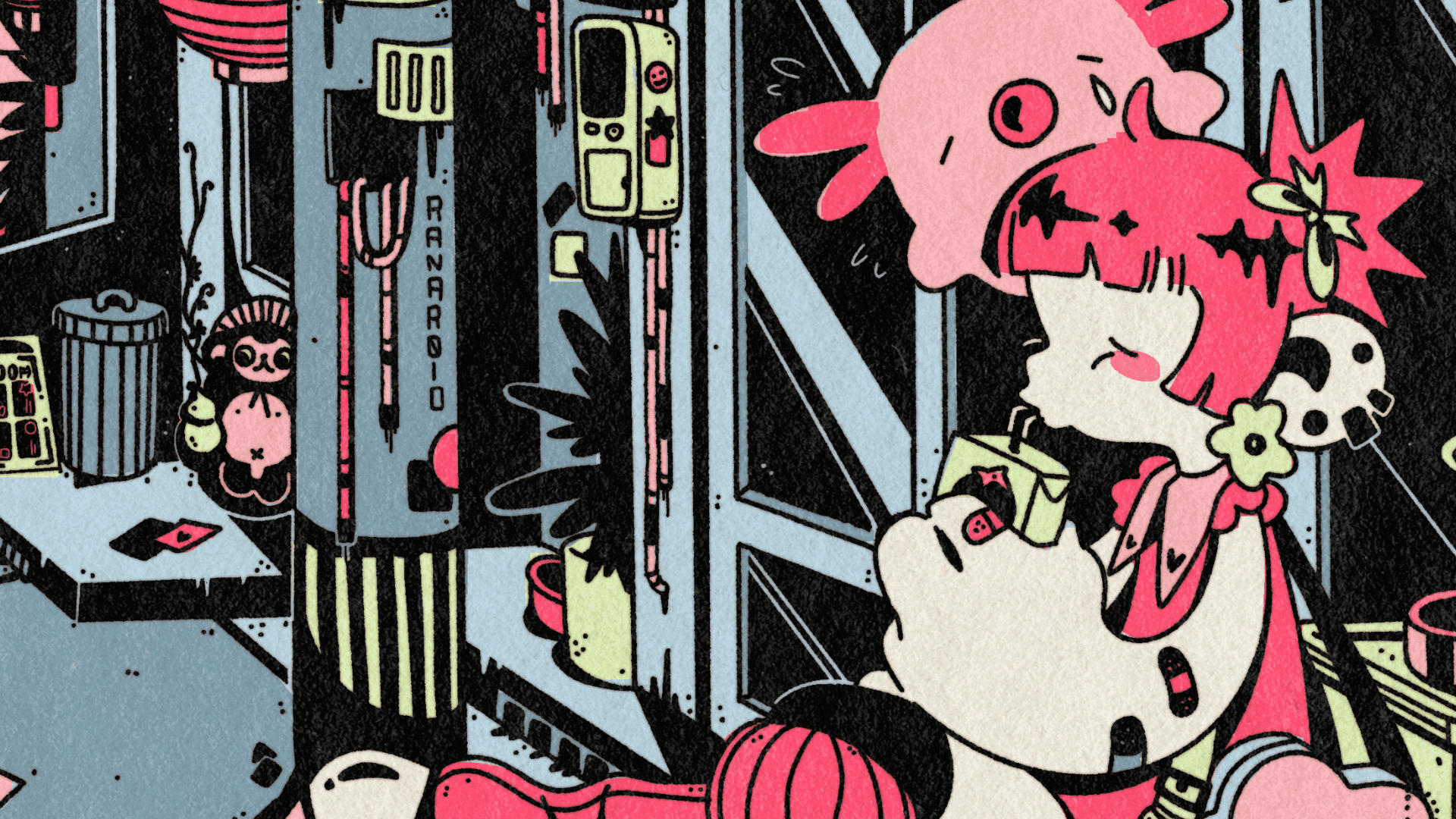
Original Characters Saved Nina's art
Nina spent years drawing other people's characters to build a following, until it started killing her creativity and she built a world entirely her own.
Animation
3D
Digital
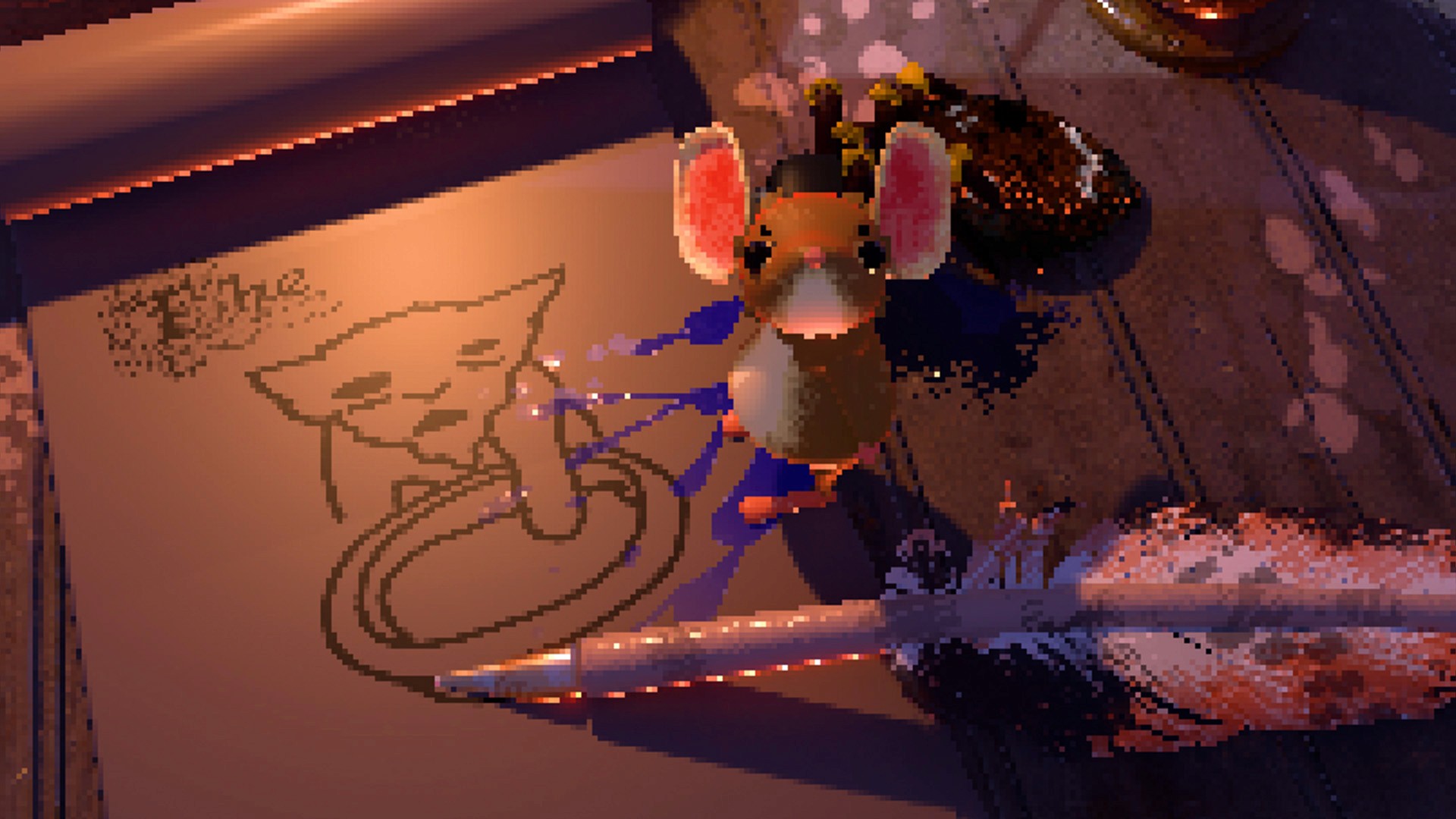
Vossa Dova Makes Low Poly Feel Cozy
Alex Vargas built a world out of limitations, and made it somewhere you'd actually want to live.
Design
Branding
Digital
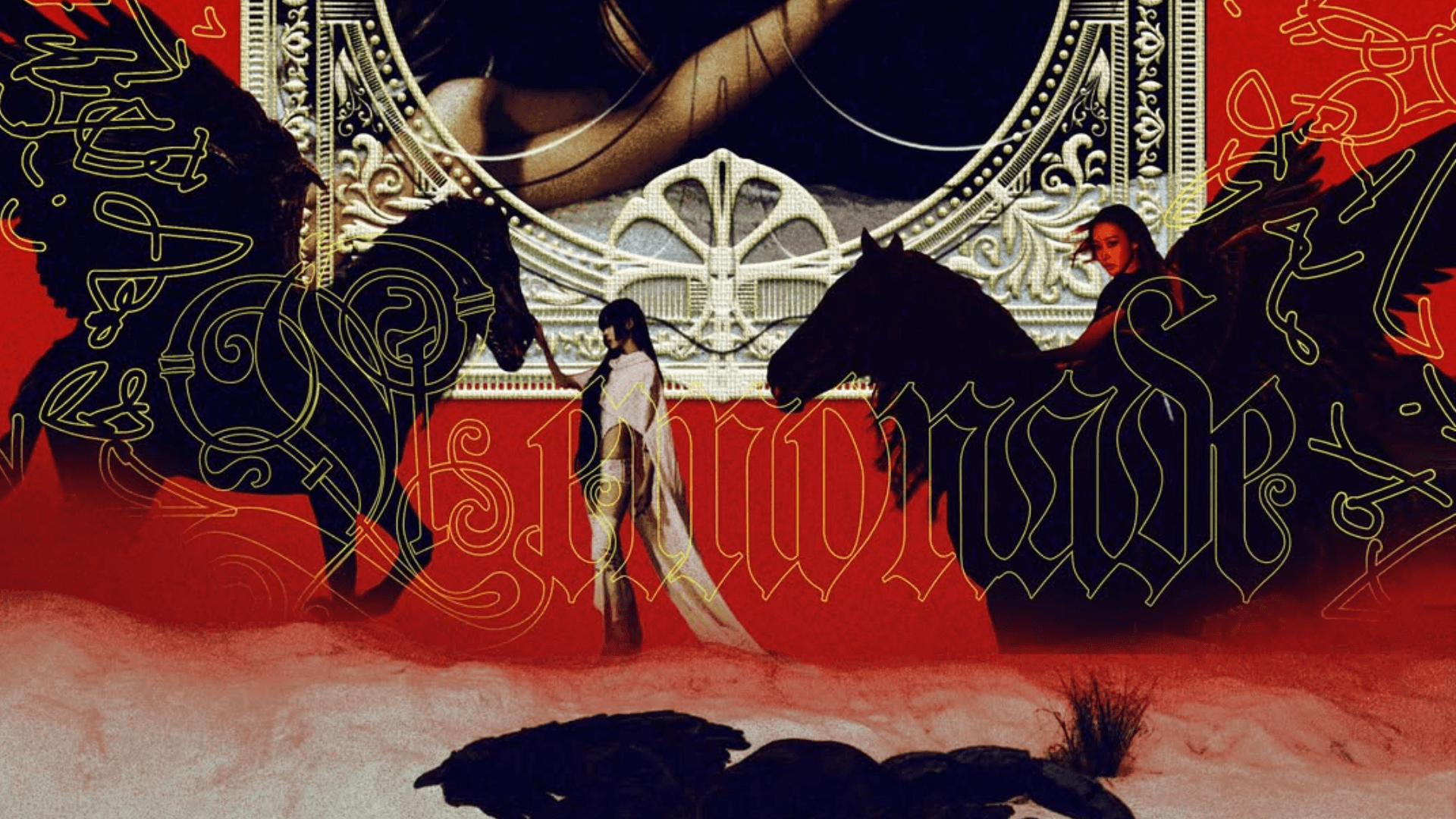
Danielle didn’t want to be a designer
Danielle Taylor didn't want to study graphic design. She wanted fine arts, and when her parents pointed her elsewhere, she spent her freshman year of college with a grudge against the whole field and no particular desire to lose it.
Design
Branding
Digital
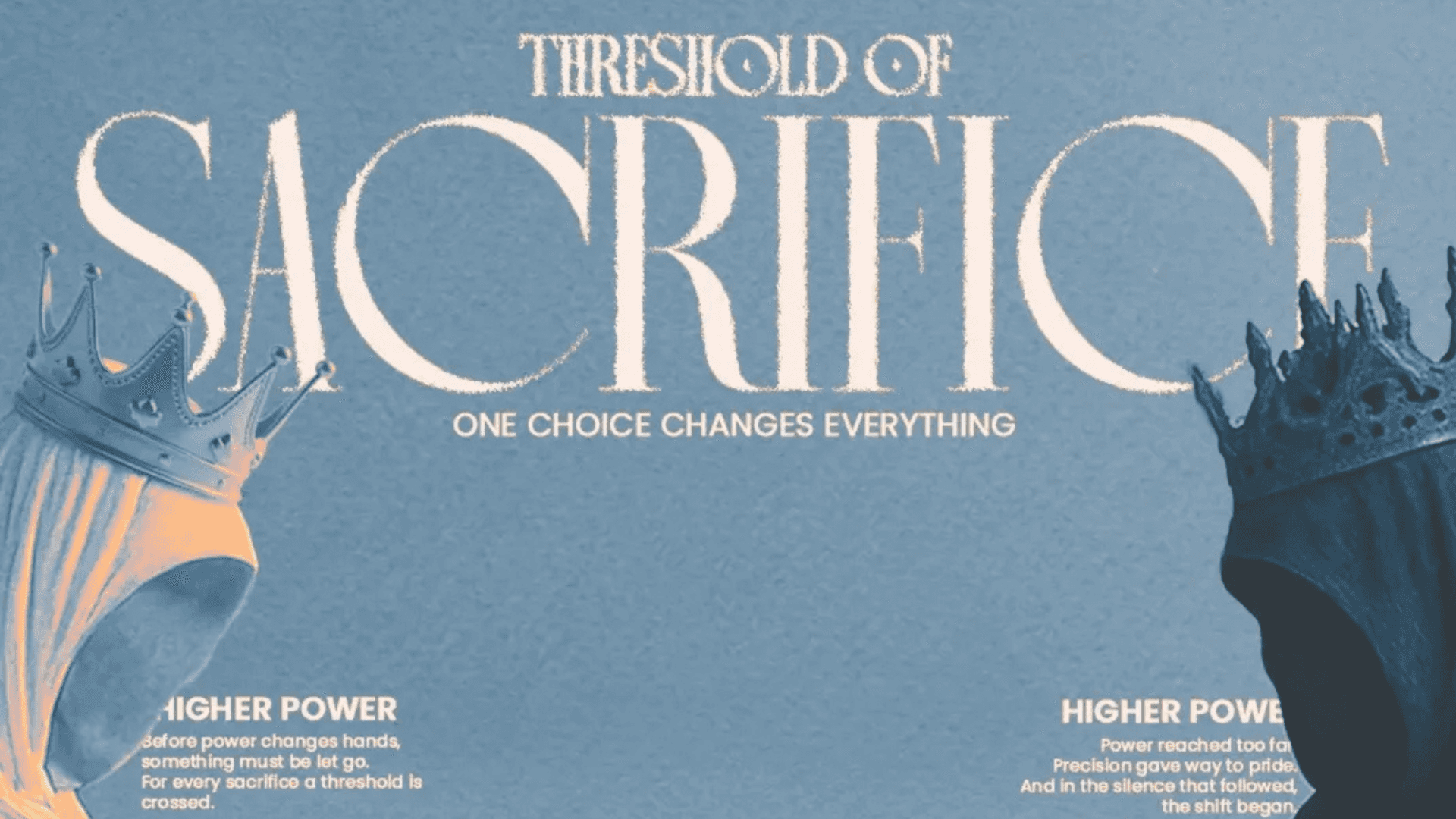
David doesn’t need to experiment
David Momodu is a brand identity designer and poster artist based in Lagos. His work arrives fully formed before he opens the software.
Illustration
Drawing
Sketch Book
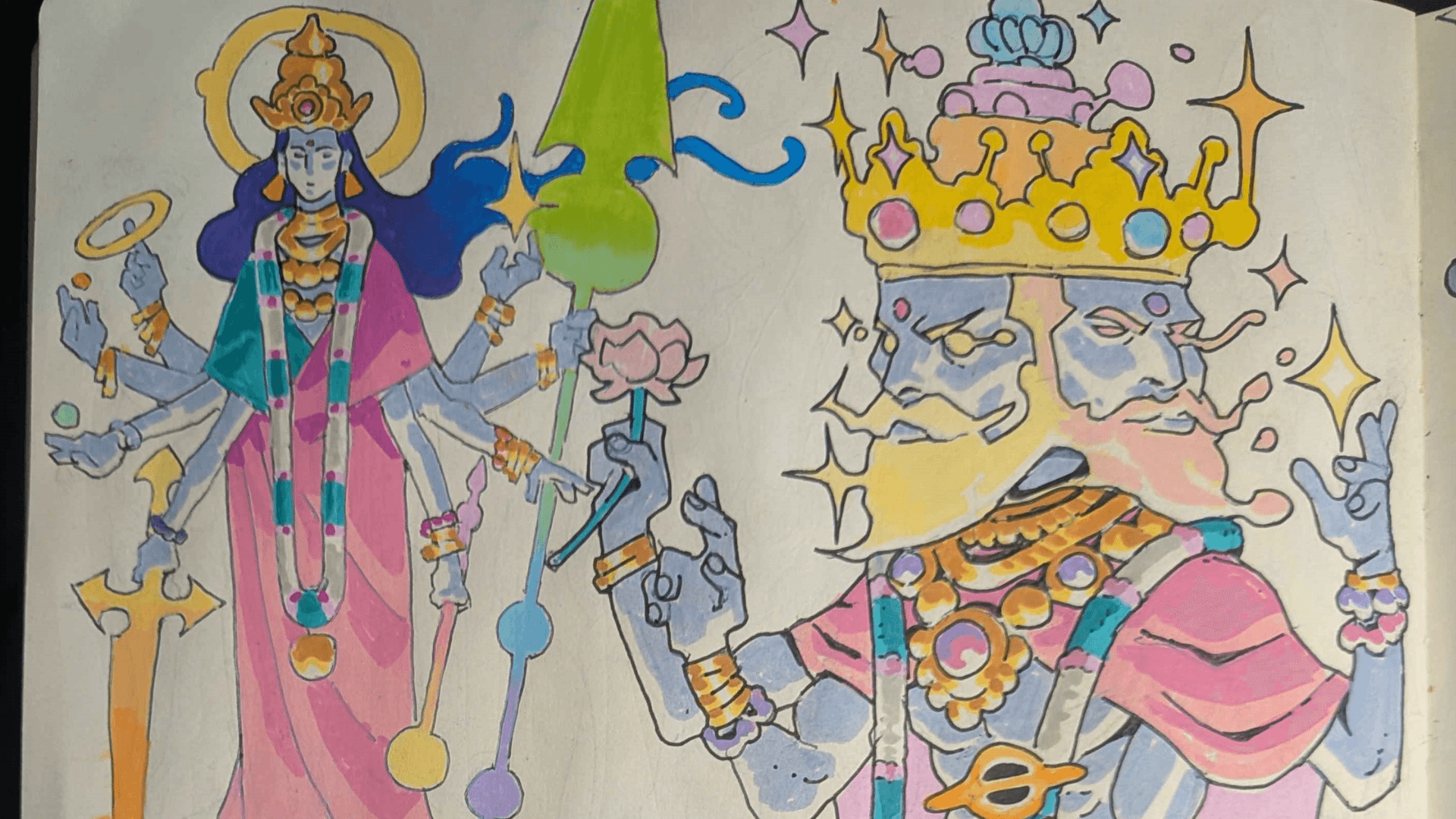
Sketchbooks Built Ryan Pallett's Career
His sketchbook is what led him to work as a concept artist for clients like Riot, DreamWorks, and others over the past six years.
Design
Branding
Digital
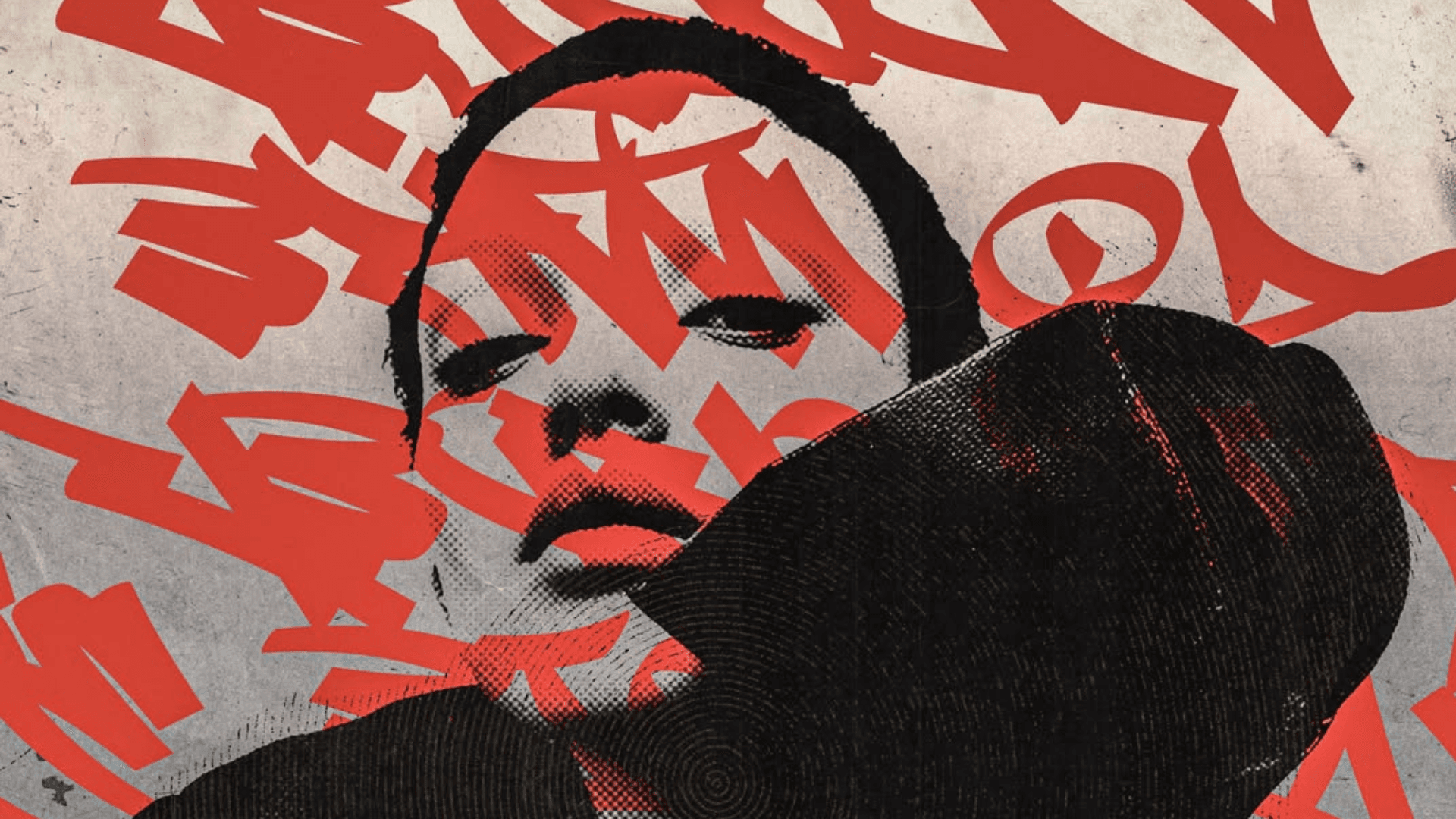
DSGN VERSE creates despite the feed
DSGN VERSE’s failed pieces stay on his feed. He keeps them there as punishment for having forced a design when nothing had clicked.
Photography
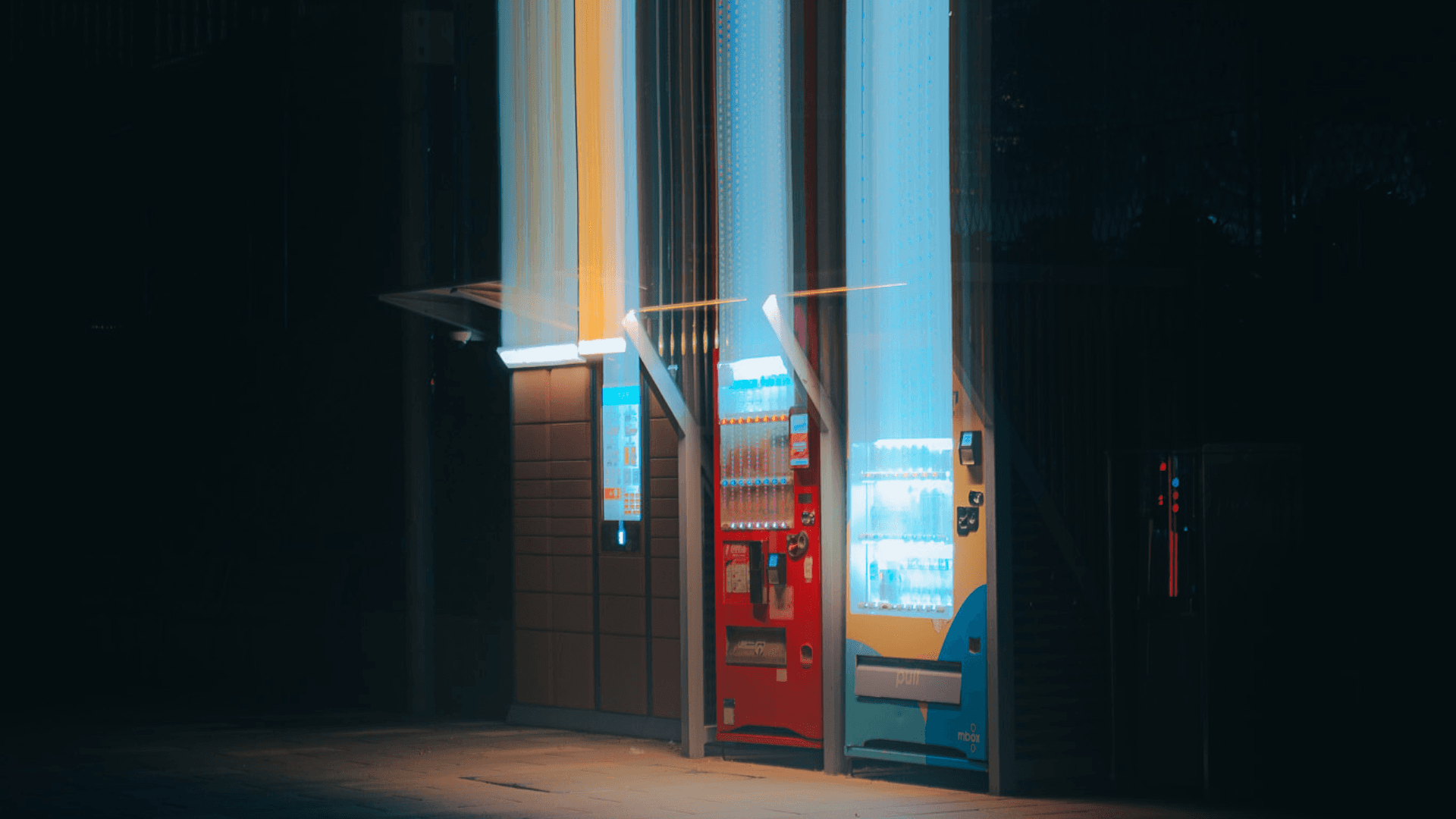
Stephen Works Against the Camera
Stephen Lladones shoots against the camera, using shutter drag to pull motion back into a medium engineered to remove it, turning the streets of Macau into streaks of neon and held light while keeping something still at the center.
Painting
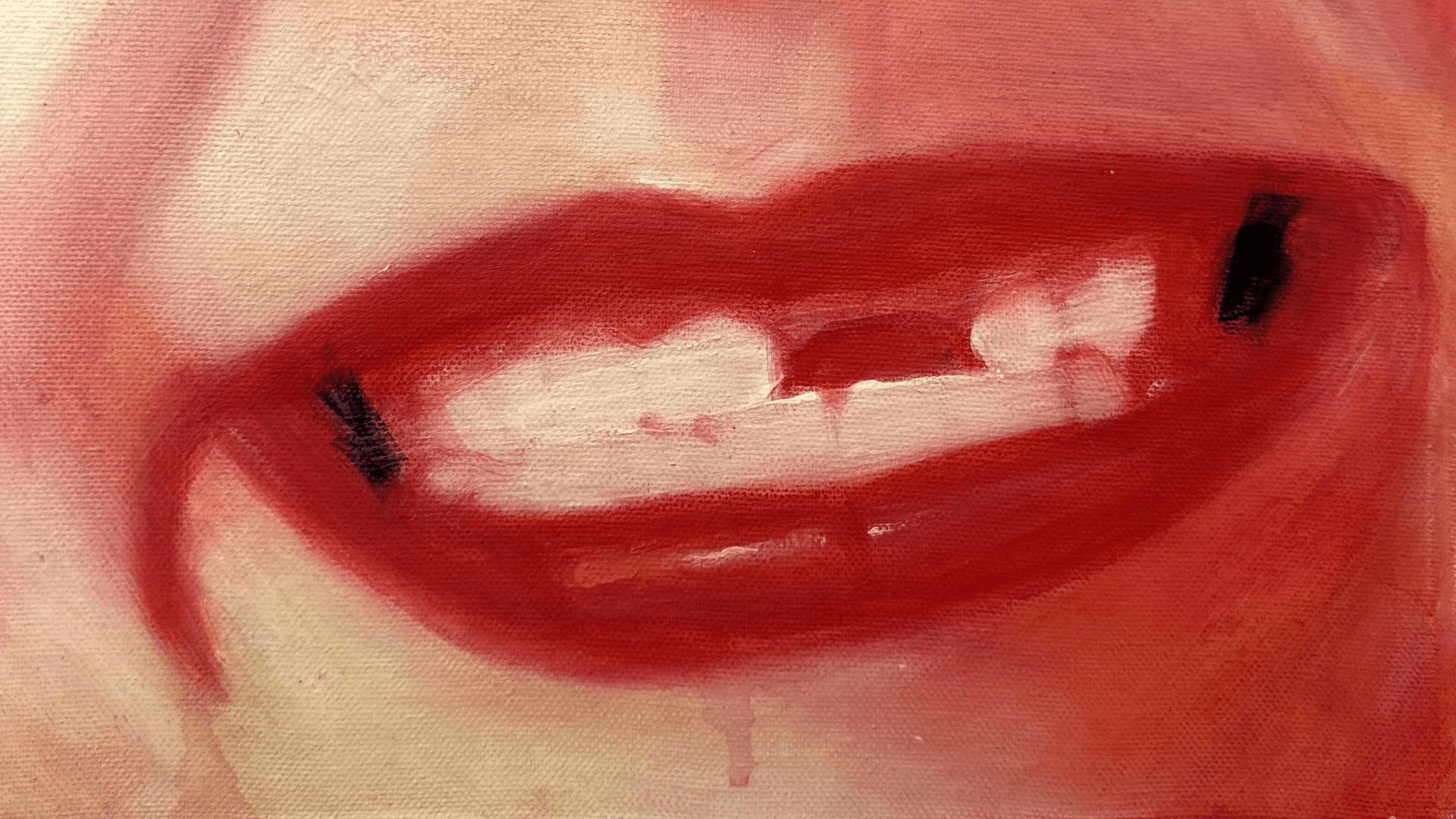
Galina Paints What She Never Got to Feel
Galina, a 24-year-old painter based in Saint Petersburg, draws from her difficult childhood and paints emotions she never got to have.
Digital
Design
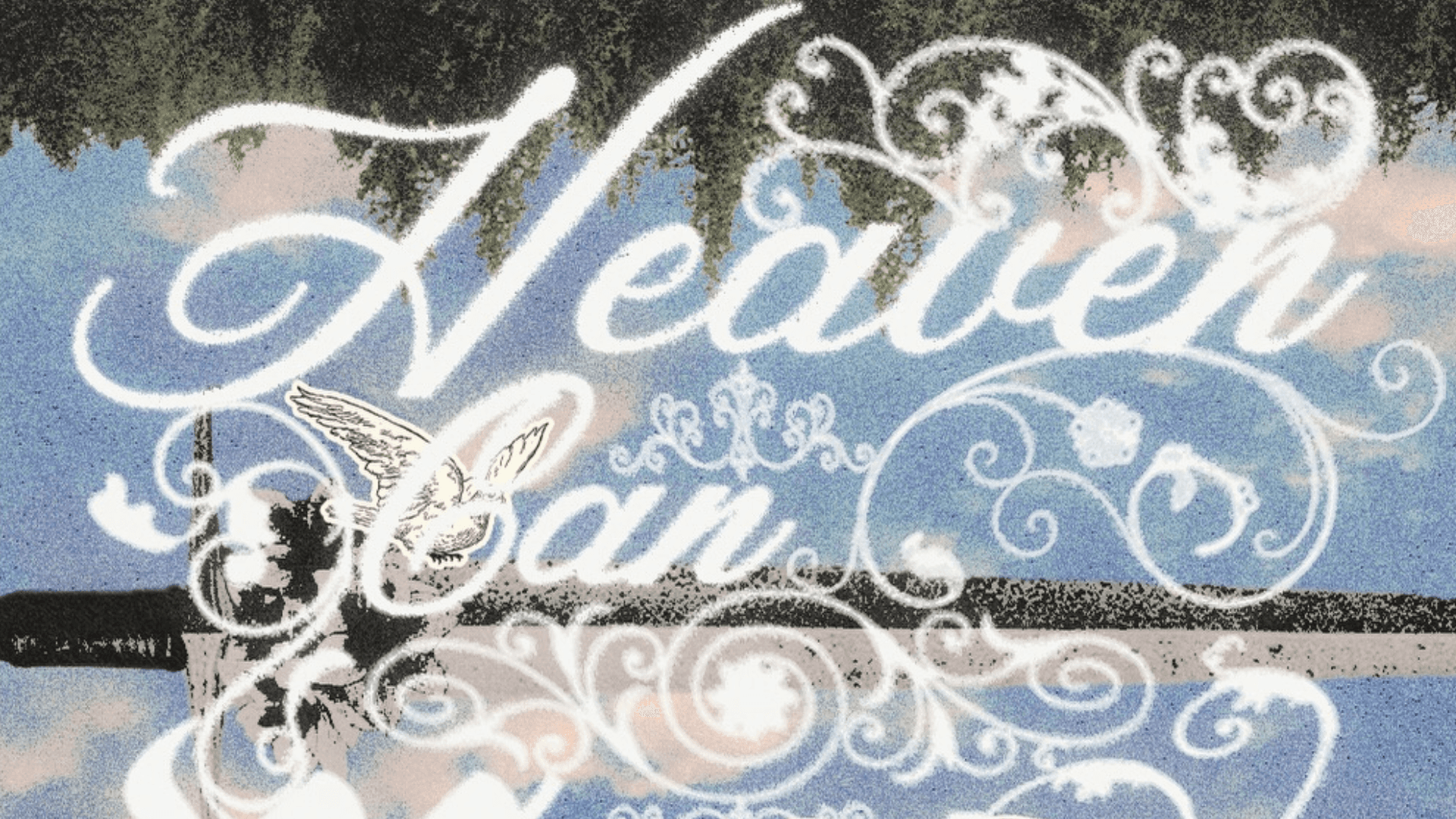
Genesis Bullets is Graphic Design
In a generation that has decided not caring is the cool position, Genesis Bullets is making loud, grain-heavy work that says otherwise.
Digital
Design
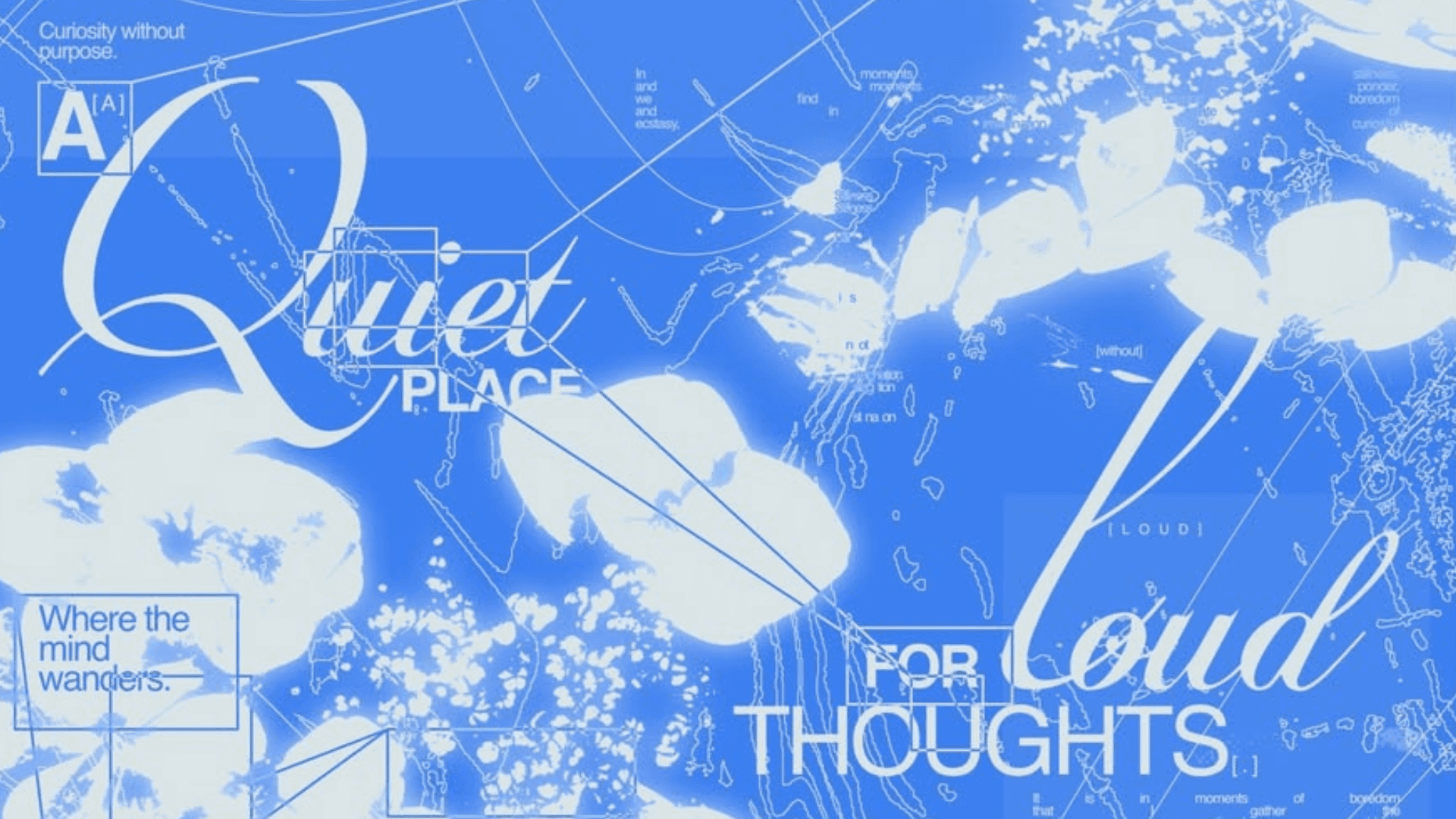
Anse Makes the Screen Feel Ephemeral
At seventeen, Anse is building a design practice out of grain, memory, and everything she photographs on the way to somewhere else.
Digital Painting
Drawing
Portraits
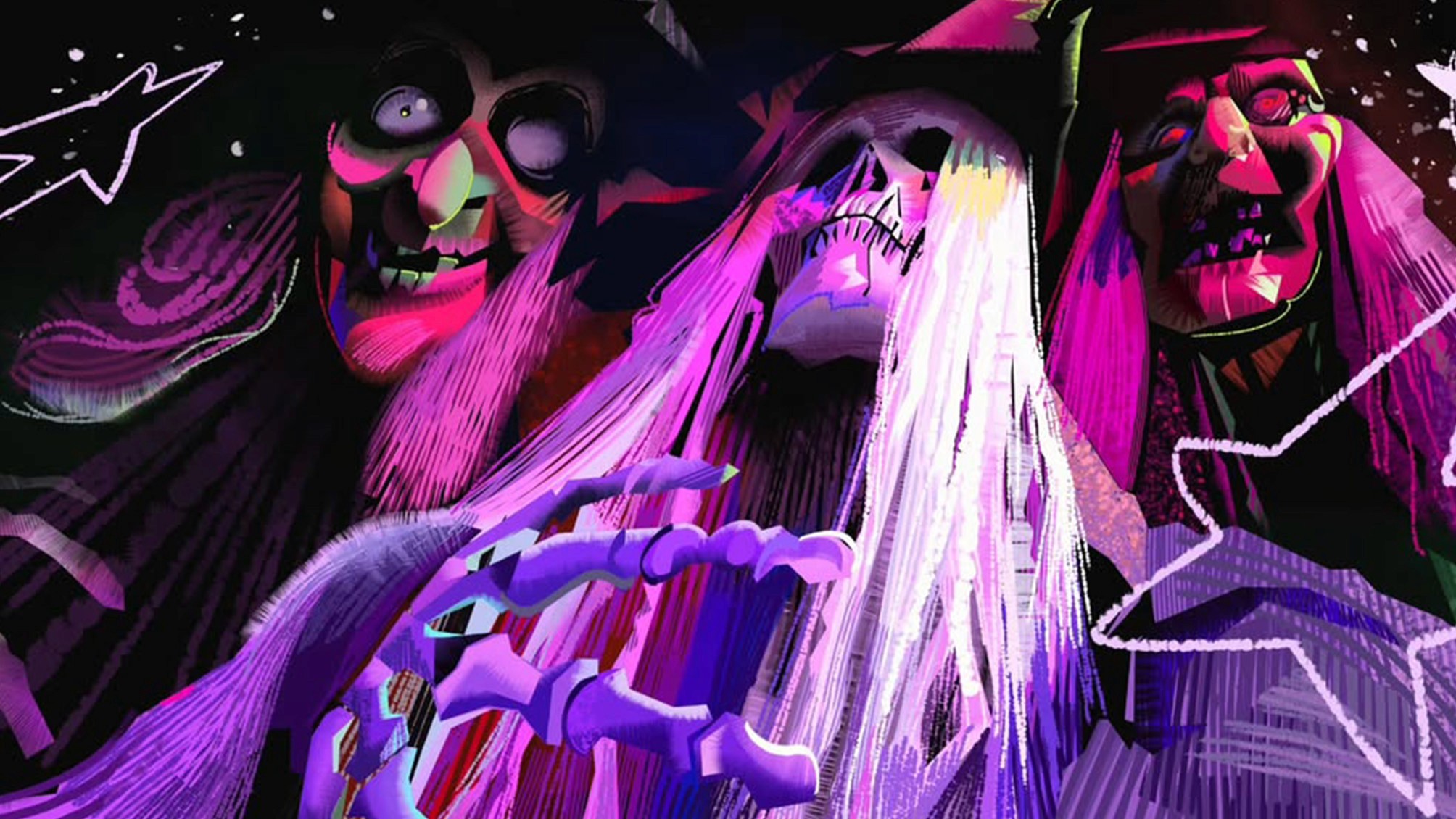
Why Nathan Treats Art Like Blue-Collar Work
Nathan approaches art with a blue-collar mindset, focused on doing the work well. His illustrations come from real places and careful decisions, not forced meaning.
Digital
Portraits
Animation
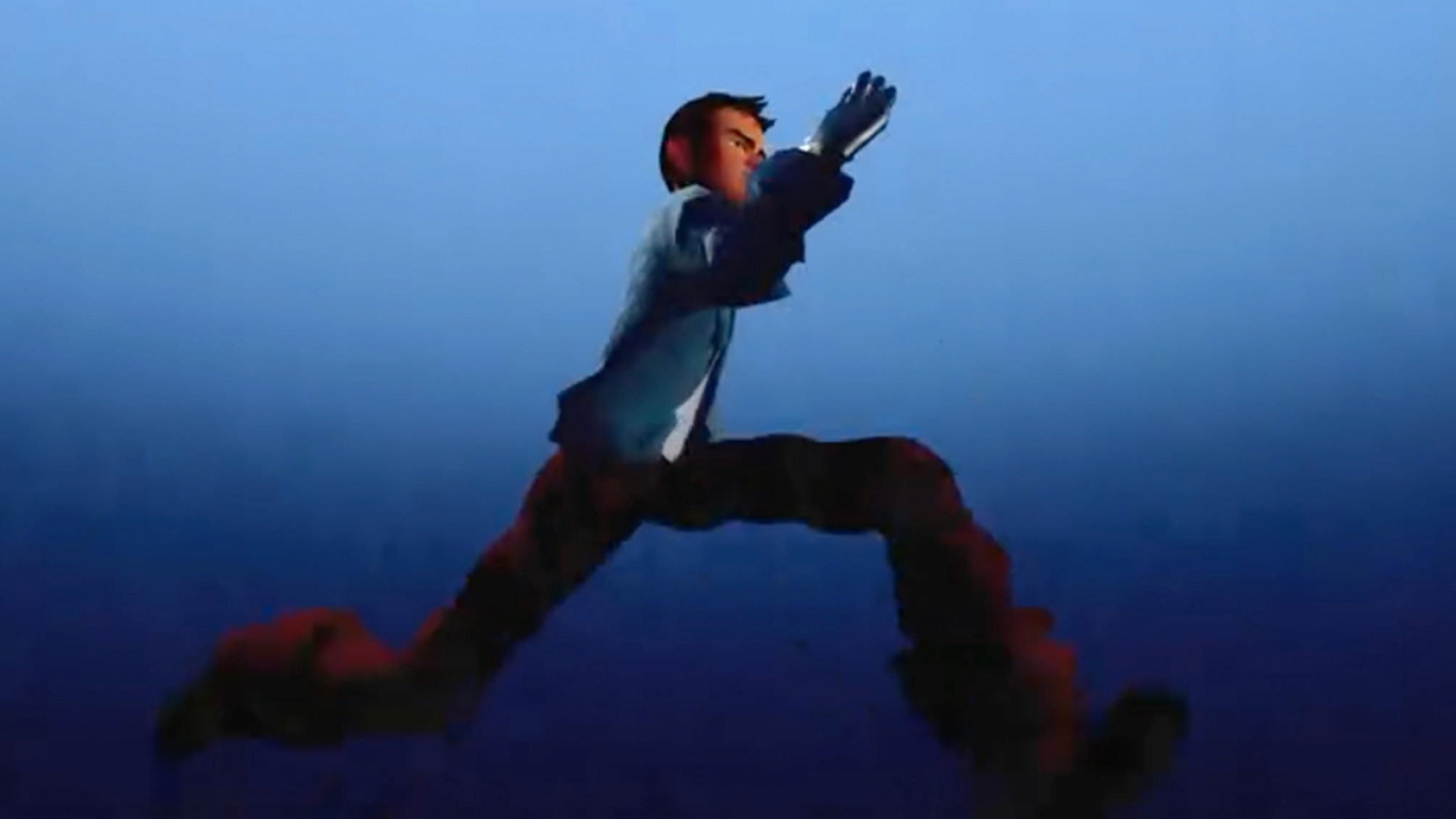
Toob’s Case Against Photorealism
Everyone else is chasing perfection. The Dutch animator thinks that's exactly the problem.
Digital
Animation
Comics
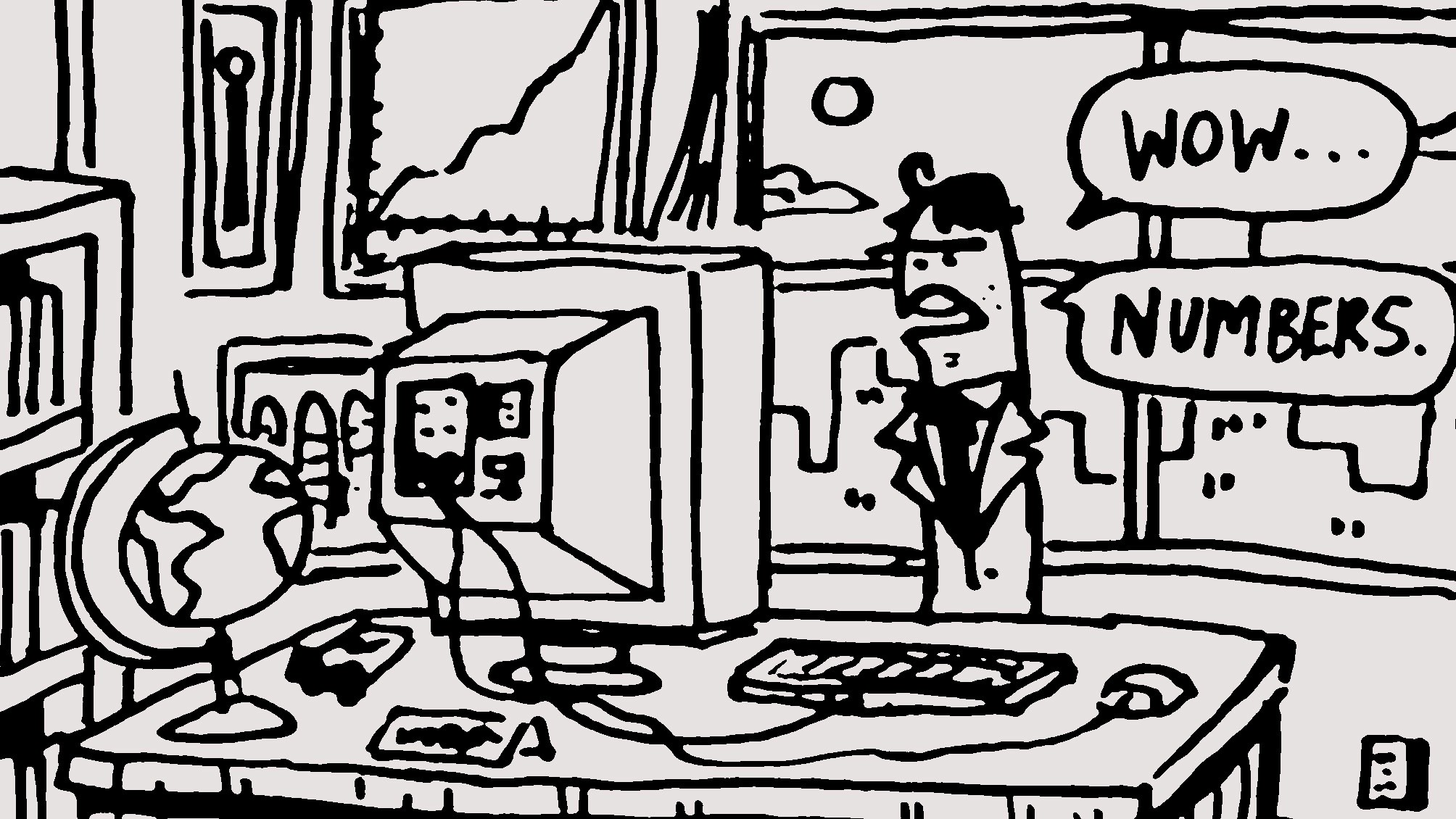
Nicholas Cunningham Knows the Joke Only Works If You Commit to It
Nicholas Cunningham builds comical animations that feel straight out of early YouTube, where personality mattered more than perfection and timing was everything. What looks simple on the surface is backed by discipline, repetition, and a commitment to just keep posting.
Traditional Art
Digital Painting
Drawing
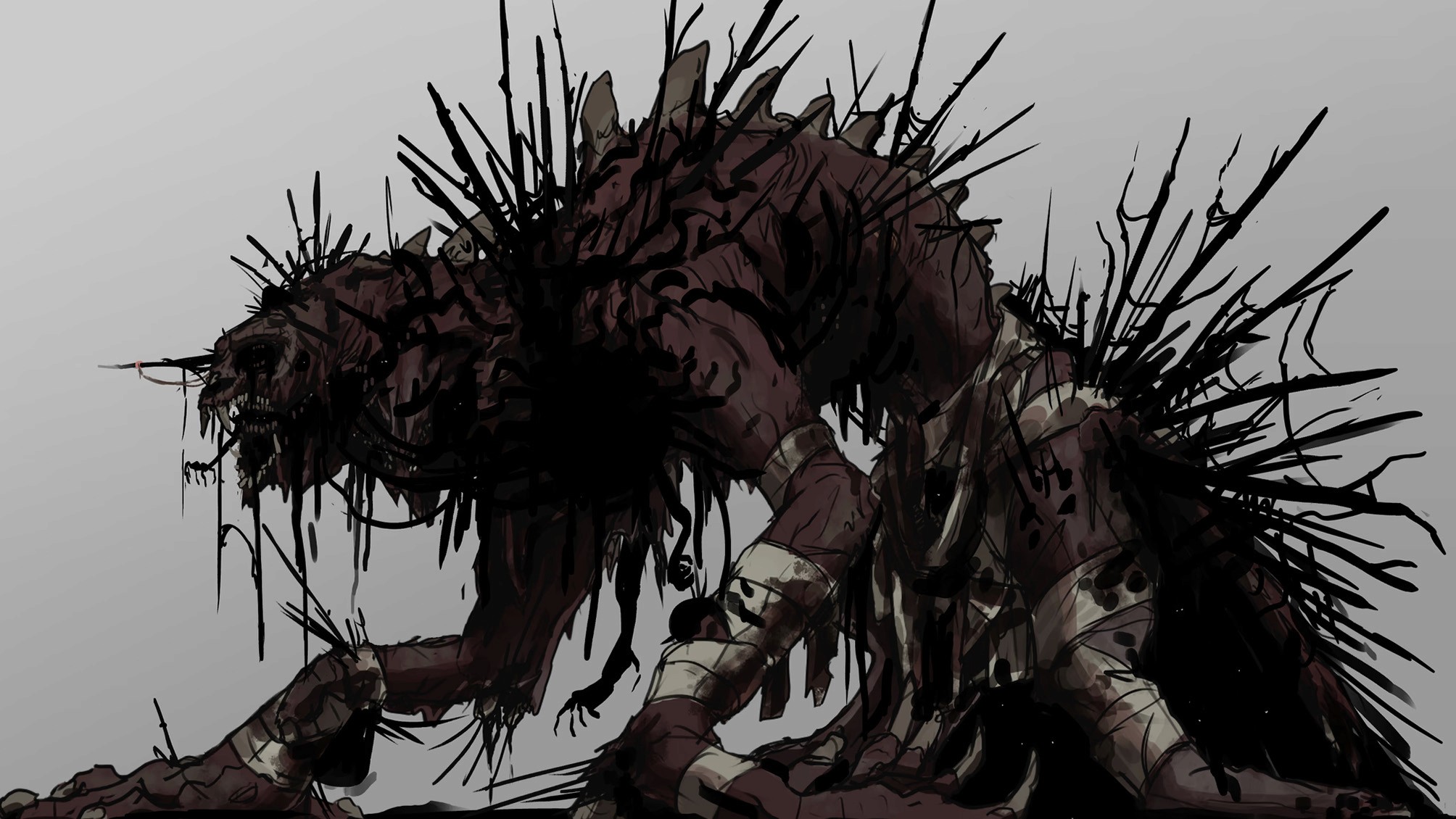
Why Haekal is Drawn to the Unsettling
From dinosaur documentaries to psychologically charged creature design, Haekal’s work evolved into something darker and more deliberate. His art proves that fear and fascination often live side by side.
Digital
Video Jockey
Motion Design
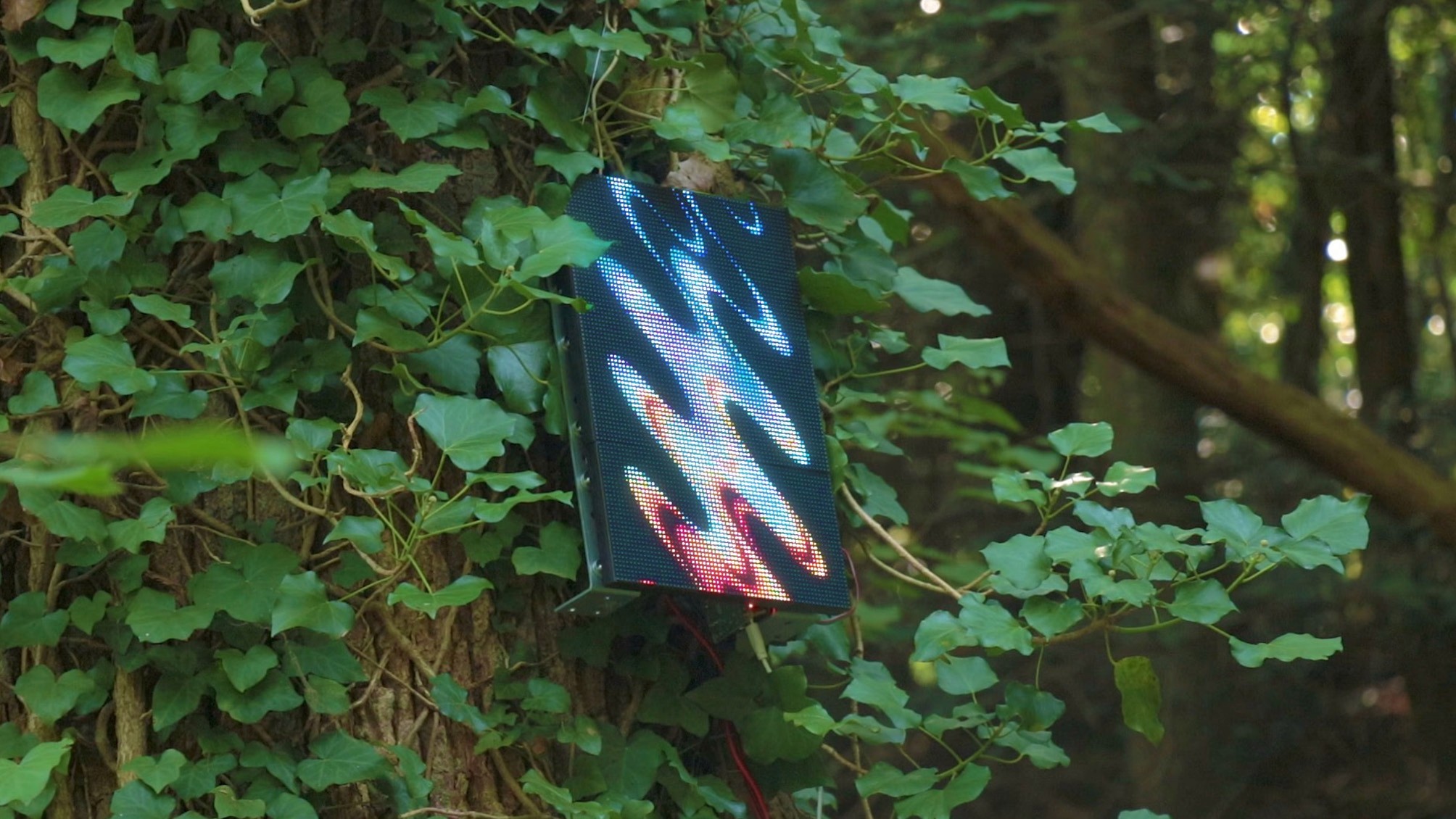
Why Lorry Barbedette Put Screens Somewhere They Don’t Belong
Screens are designed to dominate cities, not disappear into forests. In this interview, Lorry Barbedette explains why he took a medium built for control and visibility and placed it somewhere it feels out of place.
Traditional Art
Drawing
Sketch Book
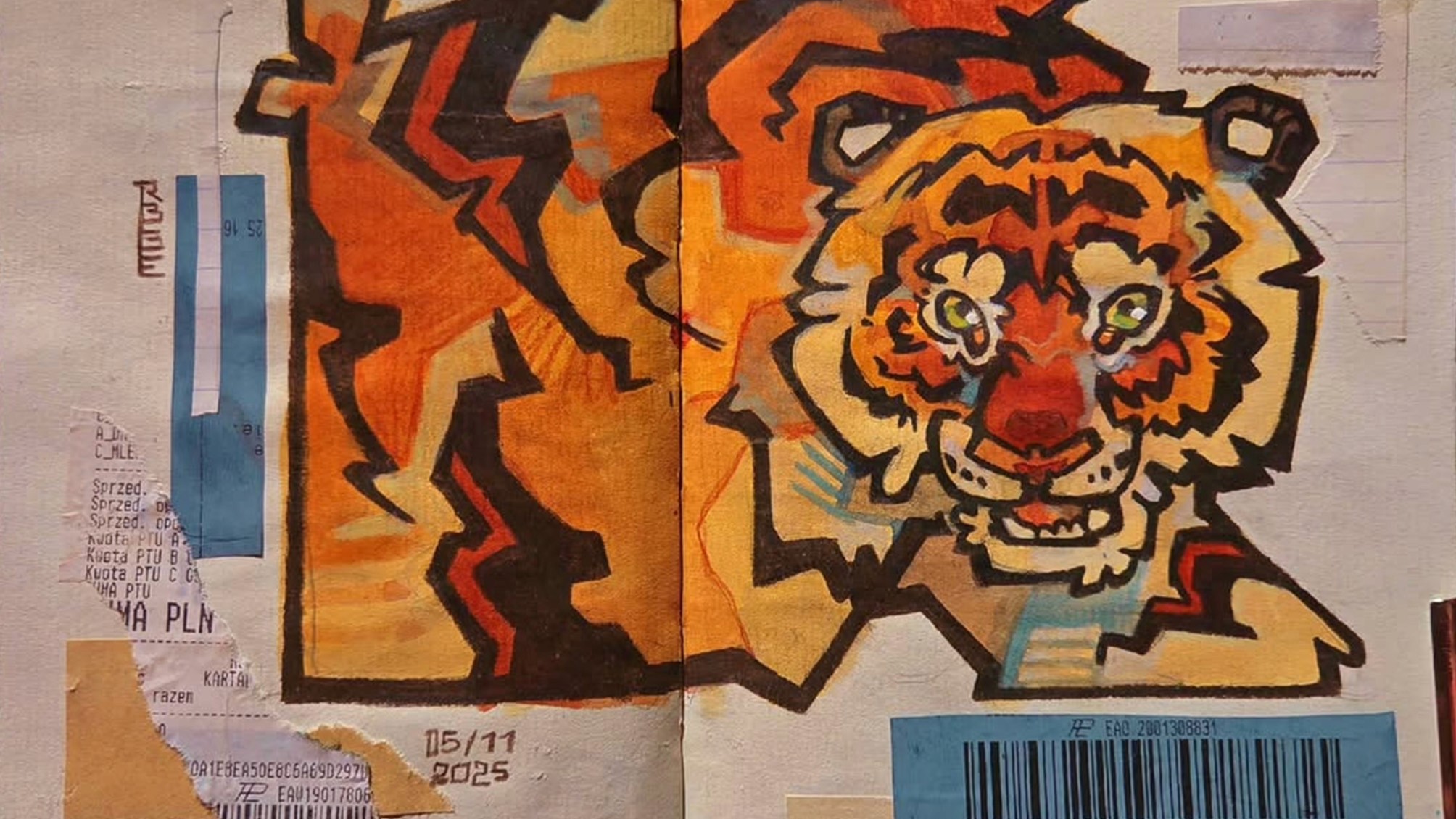
Why Robbie Quit Digital Art and Went Traditional
After burning out on digital art, Robbie stepped away from the screen and rebuilt his practice through traditional materials. With merely paper and colored pencils, Robbie has ventured into a stripped back style filled with muted palettes and animal subjects.
Digital Painting
Illustration
Design
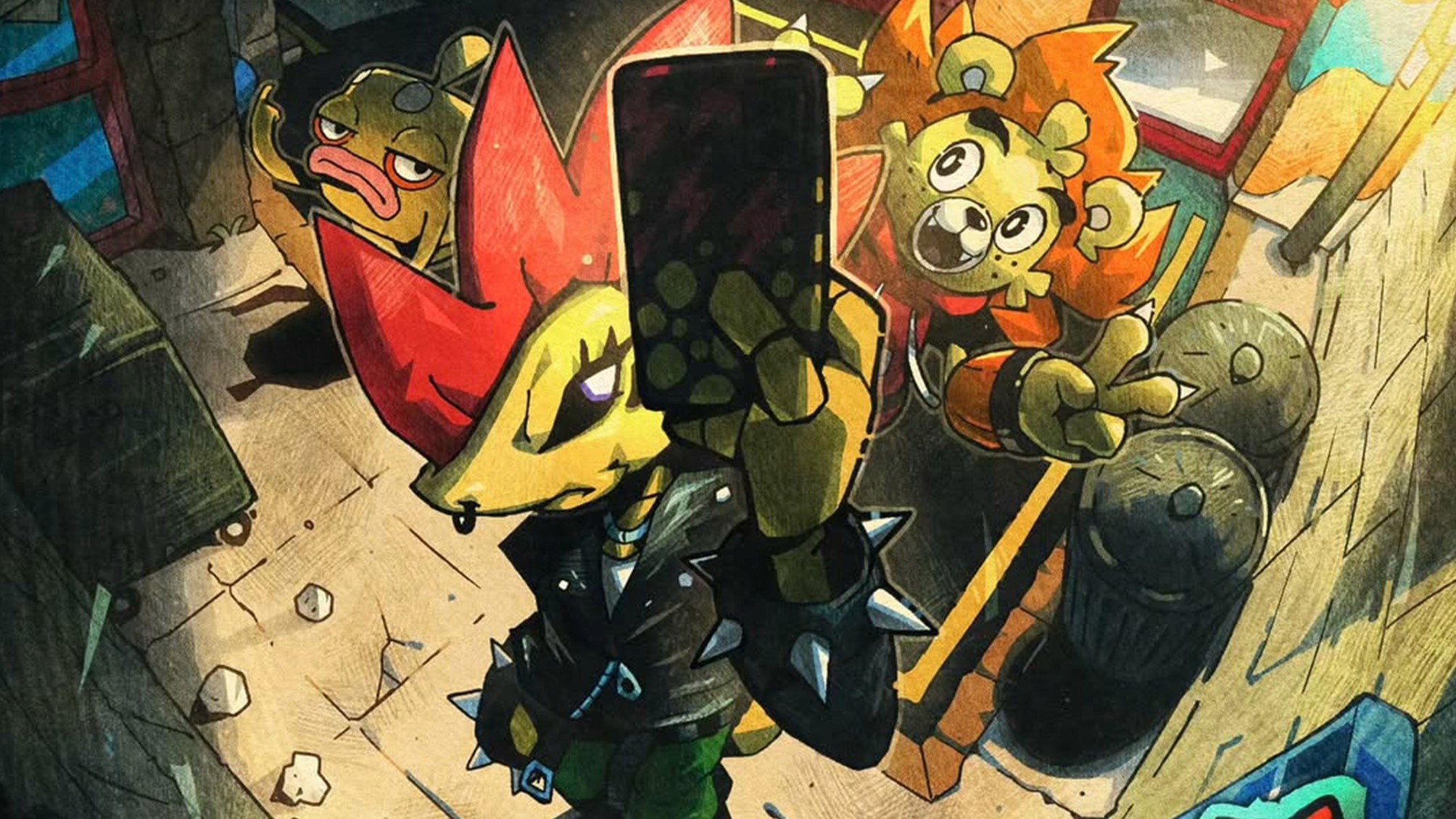
Victor Escudero on Why Imperfection Is the Point
Victor Escudero, better known as itsvimart online, stepped into the professional art world eight years ago. Since then, he’s taken on roles from freelance illustrator to Art Director at Nostalgix TCG, created cover art for bbno$ and Ironmouse, all while building a multi-style portfolio online.
Digital Painting
Drawing
Illustration
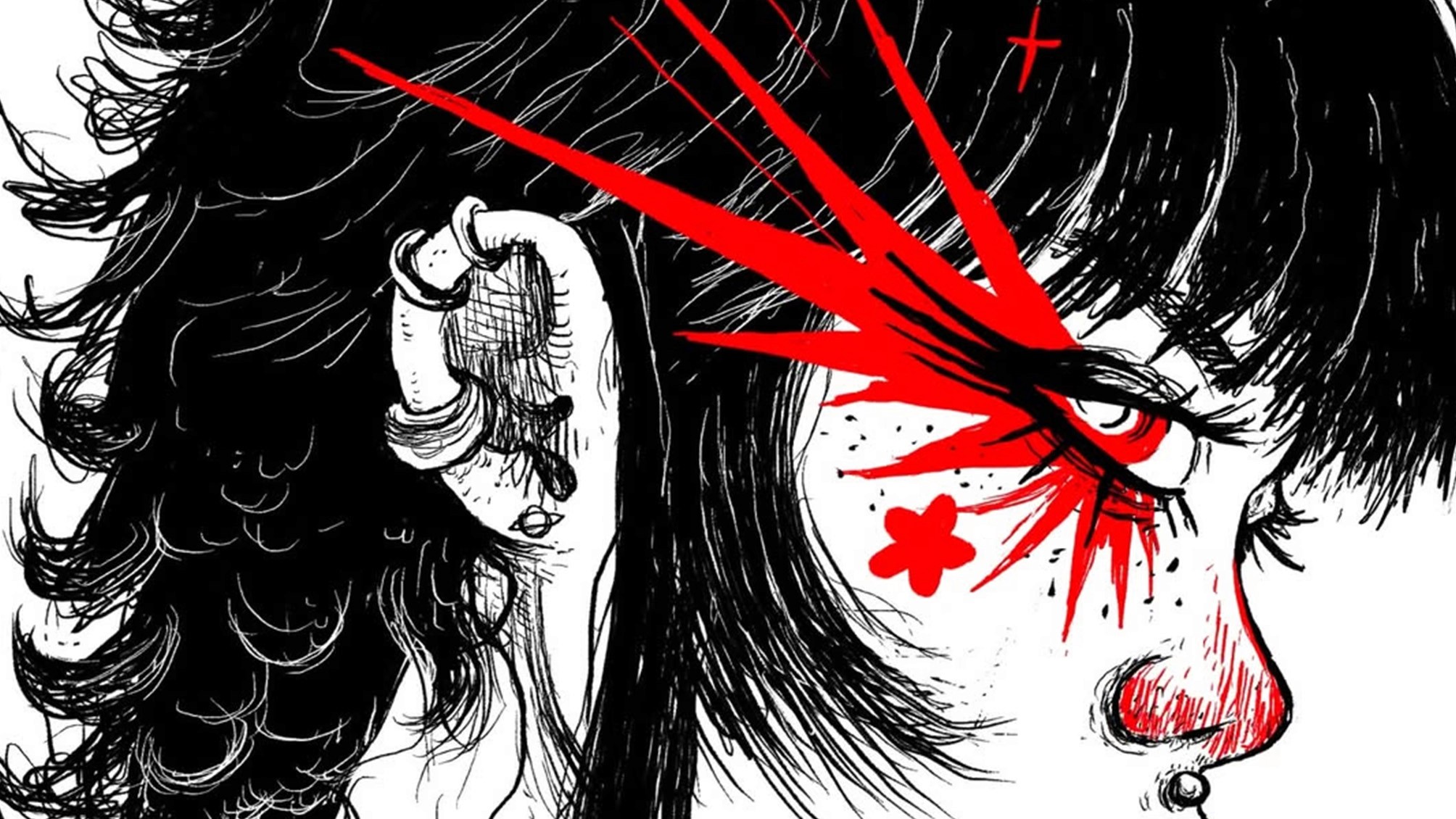
Taco Paints the Subconscious in Motion
Taco took his instinct for storytelling and layered it under his surreal imagination, giving him a dual identity, switching between an illustrator led by dreams and a designer trained in discipline.
Digital Painting
Drawing
Illustration
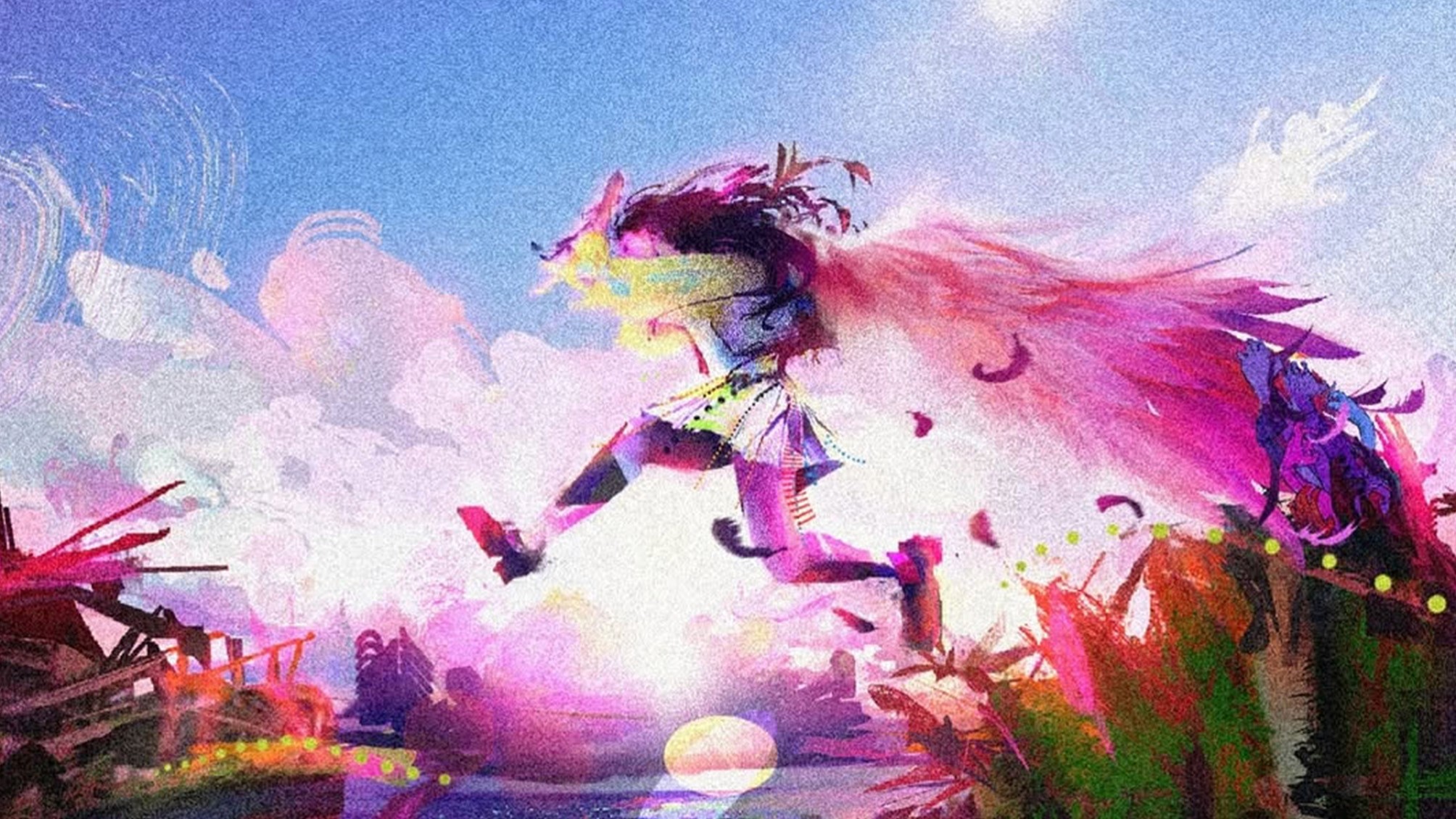
Inside MIRA’s Kaleidoscope of Chaos and Color
Mira walked away from a thriving career in graphic design and into an exciting new chapter of restless illustration that is pulling attention online.
Painting
Sculpture
Traditional Art
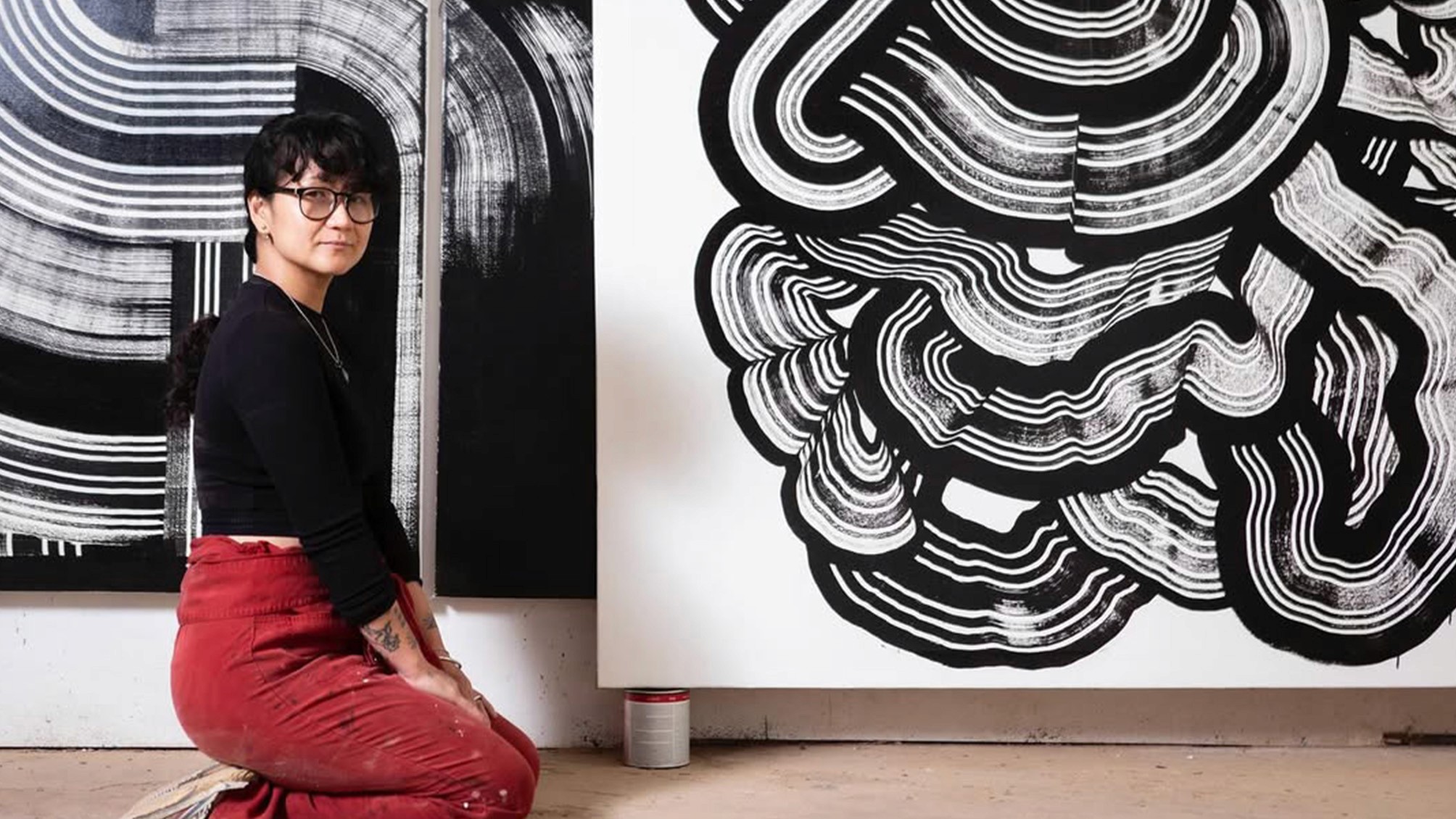
How Emon Surakitkoson Went from Bar Shifts to the Marriott Collection
Emon Surakitkoson didn’t go to art school. She didn’t grow up with a paintbrush in hand, either. But within three years of selling her first $10 painting, she was installing work for Marriott Hotels and getting recognized as one of D.C.’s top emerging artists.
Sculpture
Design
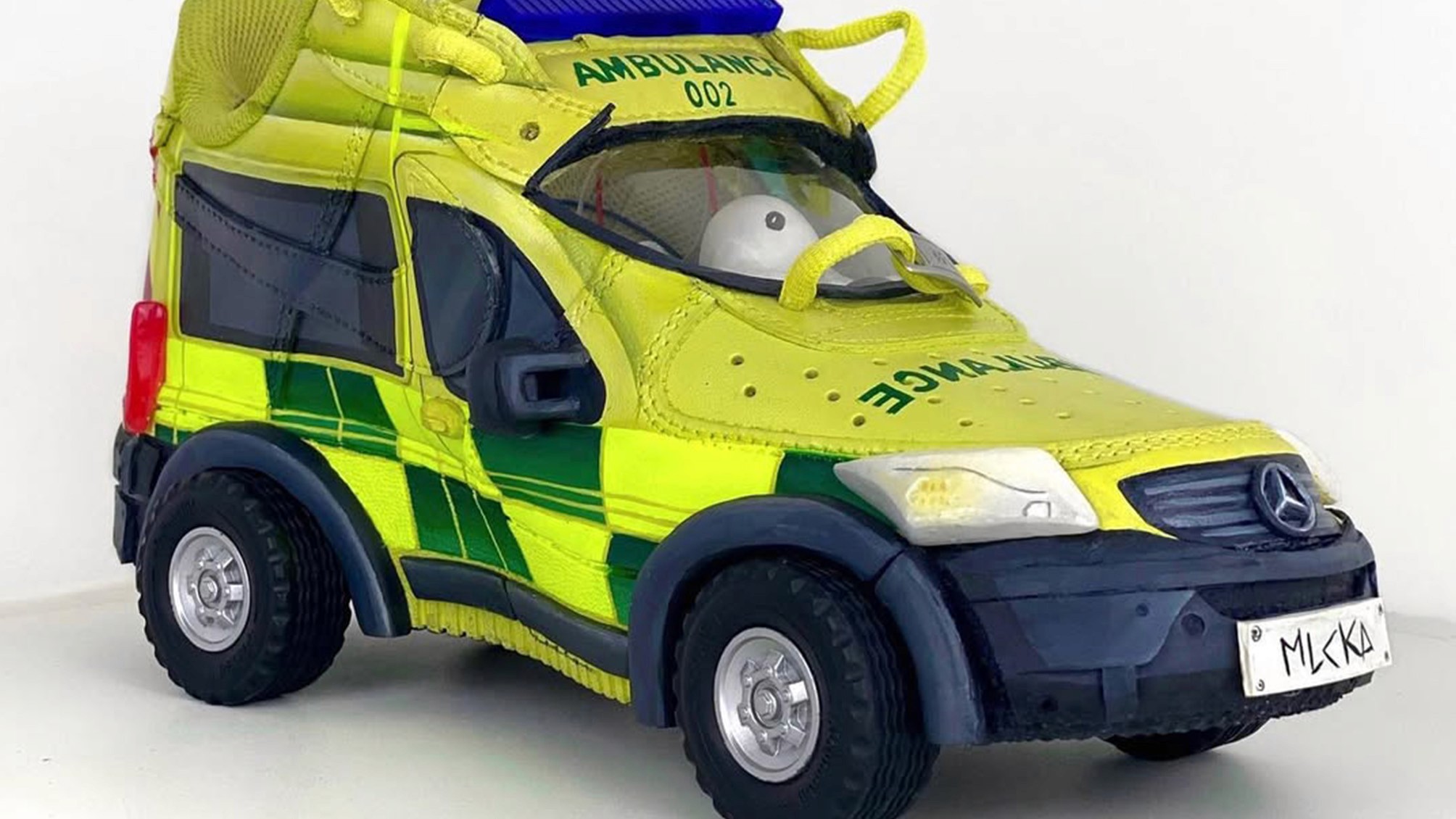
Melicka Fouri’s Streetwear Sculptures
In the couple of years since Melika’s sneaker-sculptures started ricocheting across feeds, the Coventry-born artist has become a name to know in the crossover space between footwear culture and fine art.
Animation
2D
Painting
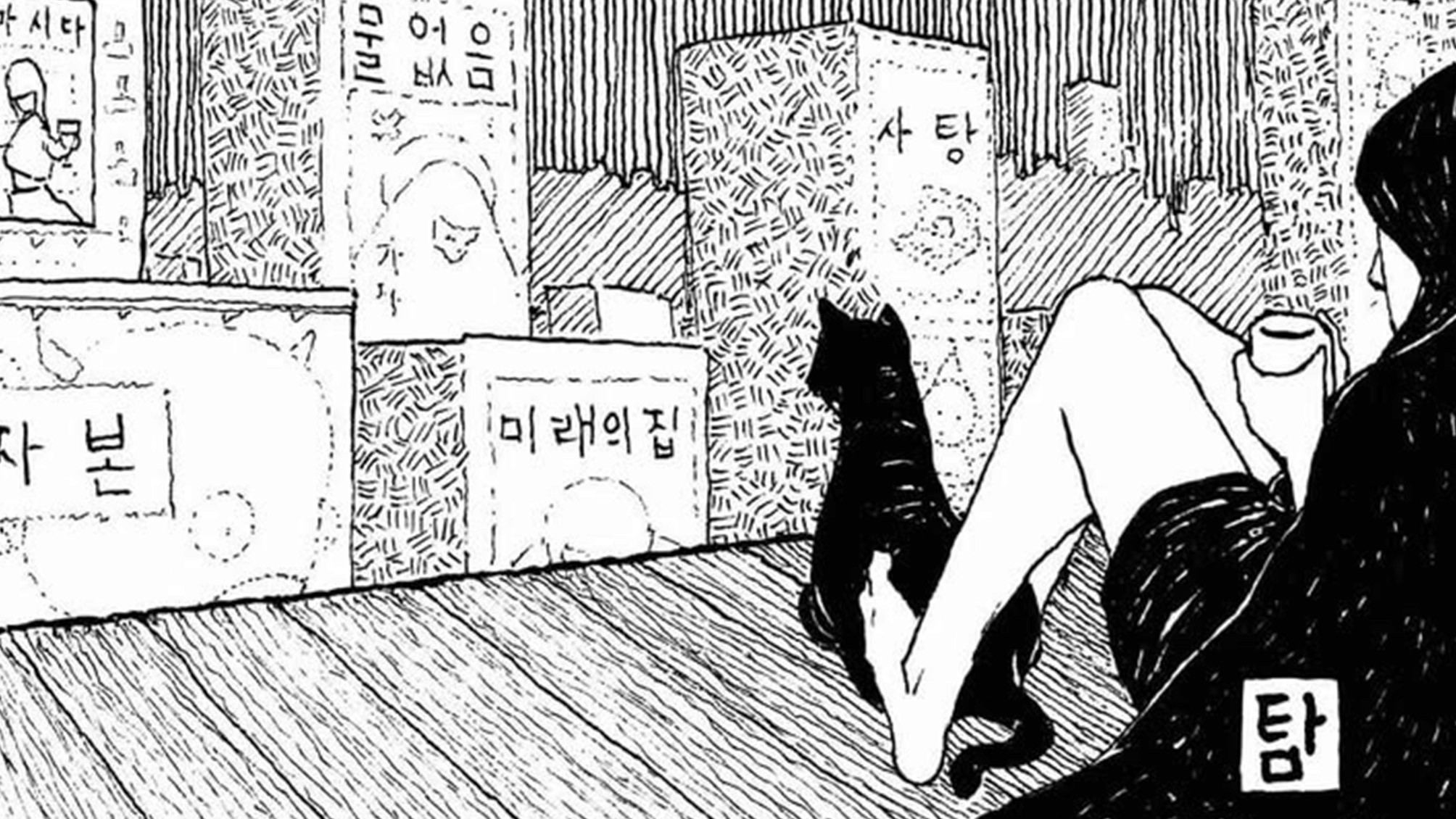
How Death By Narwhals’ Art Balances Beauty, Grief, and Korean Heritage
Death By Narwhals is a Korean American artist whose paintings have been displayed at some of DC’s biggest art shows. His work blends memory, grief, and cultural duality.
Painting
Illustration
2D
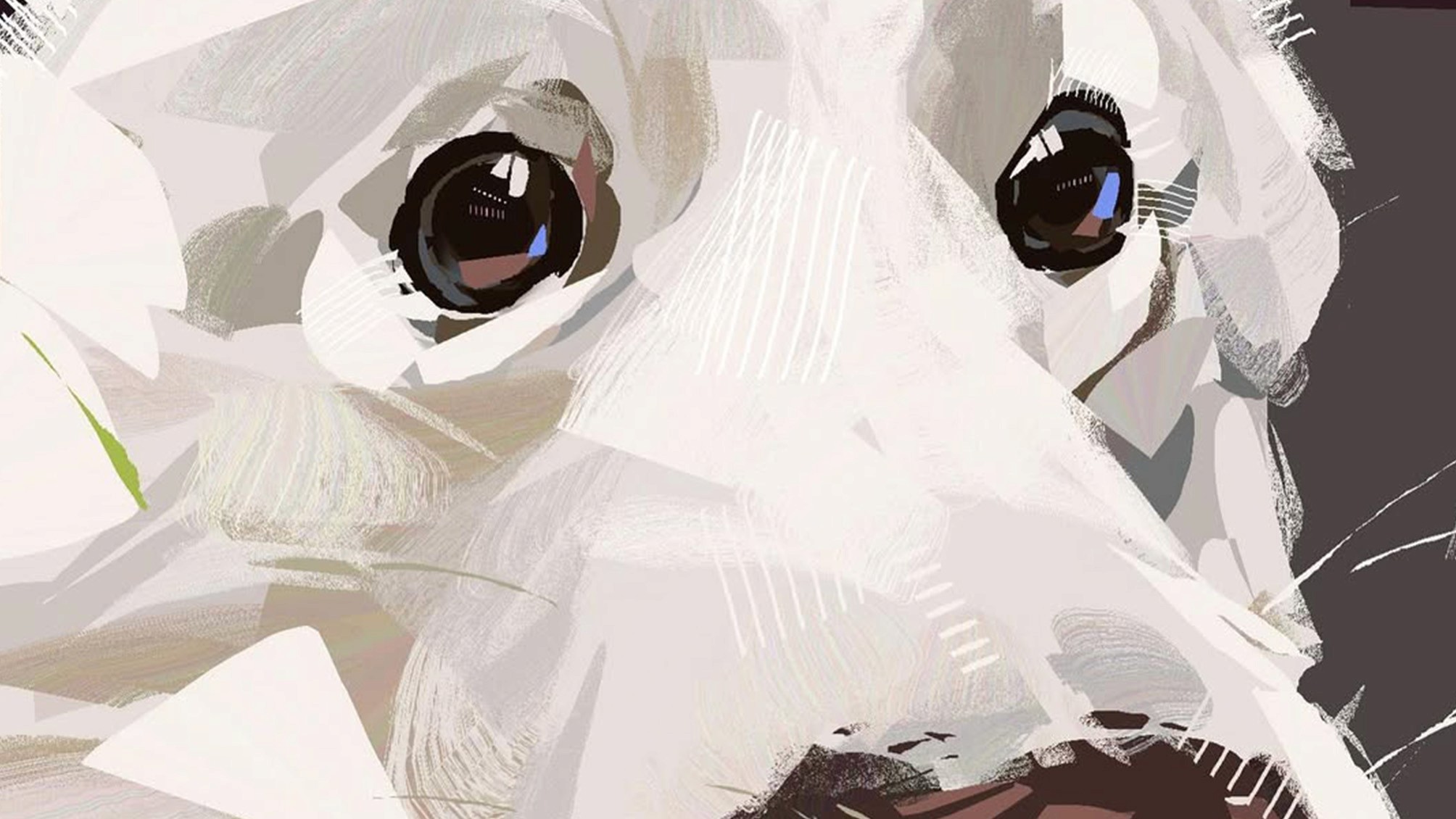
How Jennifer Evans Turned Structure into Creativity
Jennifer Evans is a 24-year-old digital artist from Waco, Texas. She’s been drawing since she was fourteen years old, and specializes in digital landscape painting and character concept design, although she occasionally works with traditional media.
3D
Art Toy
3D Printing
Spicy Plastic Turns Myth Into Toys
Spicy Plastic looks like a toy line from a world where shrines, memes, dragons, planters, and old symbols all belong on the same shelf. Nacho Ruiz describes it as “adult Fisher-Price,” which feels close to the truth of the work
Photography
2eggcellent Chases Shapes in the Everyday
2eggcellent’s photographs begin with attention before they become images. A red shape on the street, a circle repeated across a surface, a yellow object catching the light in an ordinary place. Based in Gyeonggi Province, South Korea, he has built much of his work from the small visual patterns that appear in daily life, especially when distance, time, and office work make it harder to chase landscapes.
Digital
Digital Painting
Enigmatriz Turns Old Paintings Digital
Enigmatriz builds images out of a strange collision between old paintings and digital code. A horse from a historical canvas, a figure from a public domain archive, a still life pulled from another century, all interrupted by characters, symbols, and cream-white texture.
Magazine
Veros Magazine Summer & Fall 2026
In this Summer/Fall 2026 double issue, we went deeper into the craft behind creative work, exploring how 16 artists from around the world turn ideas into something tangible. From digital illustration and wood sculpture to playing cards, psychedelic visual effects, photo collage, and more, this issue looks beyond creative impulse to the technique, intention, and experience that bring great work to life.
Illustration
Digital
Design
Yann Bastard Strips Everything Back
The French-Spanish editorial illustrator who came up in graphic design and has been stripping his work back ever since.
Photography
Digital
Cagla Polat’s Melancholy Lens
Çağla Polat photographs melancholy in color. Istanbul appears through fog, neon, rain, motion blur, and the strange glow of streets seen before sunrise or after dark. The city is familiar to her in the way only a birthplace can be, but she photographs it as if it still has the ability to disappear.
Illustration
Digital
Yann Bastard Strips Everything Back
The French-Spanish editorial illustrator who came up in graphic design and has been stripping his work back ever since.
Photography
Digital
Cagla Polat’s Melancholy Lens
Çağla Polat photographs melancholy in color. Istanbul appears through fog, neon, rain, motion blur, and the strange glow of streets seen before sunrise or after dark. The city is familiar to her in the way only a birthplace can be, but she photographs it as if it still has the ability to disappear.
Painting
Traditional Art
Portraiture
For Marco, Painting Is a Way of Surviving Life
Marcos started with Photoshop as a teenager, making photomanipulations of cinematic landscapes he couldn't have photographed himself, and the further he pushed the tool the more he wanted to stop depending on it. By nineteen he was living in London, working at a restaurant, and developing what he describes as a need for actual paint. He moved back to Rome, enrolled in the Academy of Fine Arts, and spent six months there learning almost everything from a single fellow student named Michele before leaving the month after Michele told him there was nothing left to teach.
He has had a neutral-to-hostile relationship with the art market ever since he understood what it was asking of him. Painting, in his view, is not a profession but a way of surviving life, and whenever his work starts trying to accommodate the market, something dies in the paintings and he can feel it. He is currently working on a 3x2 meter commission involving seven figures, the largest piece he has ever made, and he will tell you that it still feels like the beginning.
There is also a series he has been thinking about almost every day for several years, one that he keeps finding creative ways to avoid because he knows what it will cost him when he finally starts. He is based in Rome, in the outskirts, not exactly where the postcard views are.
Where are you from originally, and how long have you been based in Rome?
I'm actually from Rome, in the outskirts, not exactly where the postcard views are. I lived a couple of years in London but most of my life has been spent around this area, between Rome and Fiumicino.
How did you first get into painting?
Back in my teen years there was this new software called Photoshop, the internet was only a few years old, forums were a thing, Wacom had released their first drawing tablets and I was so fascinated, creating photomanipulations of these cinematic, impossible landscapes. The more I made, the less I wanted to depend on photography and the more I relied on the brush tool, until I figured it was going to be easier to just learn how to paint.
When did oil become your primary medium?
Around 19, at the peak of my confusion about who, where and what I wanted to be. I was living in London, working at a restaurant, and slowly realizing the limits of digital art - the screens, the electricity, the lack of physicality - and I developed this need for actual paint, real brushes and tangible canvases. I moved back to Rome and enrolled at the Academy of Fine Arts at the last minute. To my biggest disappointment, I quickly realized none of the teachers could really paint or teach me how to, but there was one student who could: Michele. I stopped caring about exams and spent the following six months going there just to spend time with him and absorb whatever I could.
I had no idea what turp was, what an underpainting was, what a cadmium even looked like. Meeting him was crucial.
Traditional Art
Illustration
Painting
How Kelly Pringle Found Her Style Through Cats
Kelly Pringle has been drawing for most of her life, and for most of that time, cats weren't part of the picture.The 29-year-old illustrator based in Florida came up through 2D animation, working primarily on a computer. When she eventually stepped away from the computer and picked up traditional paint, she carried the instincts she learned in her digital practice. What she found, in a tradition of vintage Japanese cat illustration she'd been quietly admiring, gave her a formal problem worth solving.
The paintings she makes today have a specific internal architecture that rewards attention. A simplified, designed cat sits against a background rendered with full painterly commitment, in colors pulled from a single reference photograph regardless of how many other sources the composition draws from. The color discipline is something she talks about with real conviction. It's also, she'll tell you, where a lot of paintings fall apart. Hers don't. The cats appear in scenes that feel genuinely inhabited, in perspectives that are more spatially ambitious than the cozy subject matter would suggest, all held together with a tonal restraint that takes real skill to maintain.
What she's built around the cats extends well beyond the paintings themselves. She runs a Patreon, a postcard and sticker club, sells prints, and has merchandise sitting in shops in Florida and Seattle. The audience that found her work found it fast, and she has thoughts on why that is and how much of it was actually in her control. She also has a stated goal for where all of this is heading, towards the Kelly Pringle Cat Empire.
How long have you been painting seriously, and what did the early work look like?
I painted on and off in college. I think I made the switch to fully traditional work in 2022ish while I was taking a break from pursuing an art career in general. Before that, I was in college for 2D animation, so most work mainly revolved around the computer. Early work was just studies, studies, studies. There’s honestly nothing more relaxing to me than painting a good reference photo!
When did you paint your first cat?
I always love challenging myself and trying new things with my art, so I think I remember seeing a lot of vintage Japanese illustrations of cats, and really appreciating how they simplify the figure and face, while still keeping that cat factor. I thought to myself that I wanted to try to find a way to simplify the cat in my way, so I took a stab at it! There were a lot of iterations of the cat I tried before I was happy with the style that I have today.
Is your work secretly a scheme to take over the world?
Yeah. Kelly Pringle Cat Empire.
Art Toy
Design
3D
Carolina Wants You to Meet Pez
Carolina Fernández Noriega was doodling in class when she made the character that would eventually become her life's work. She drew a tiny, cute fish and gave him the attitude of someone who had something to prove. She didn't have a name for him yet, but she knew the juxtaposition was funny, so she kept drawing him.
By the time she graduated from Parsons, where she studied illustration, the character had a name, a thesis built around him, and a set of prototypes she'd spent a year refining. Carolina had spent four years deliberately taking classes in graphic design, product design, typography, and creative entrepreneurship because she knew exactly what she was building and which skills she would need. The character is called Pez. It means fish.
What she's building around him is harder to place in a single category. The work pulls from ancient Taino and Aztec artifacts and from a childhood in San Juan she left at eleven, and she's been thinking about how those two things connect for most of her life. She labels herself a collectible designer. The first collection drops by the end of this summer.
Tell me a little bit about who you are.
I've been labeling myself as a collectible designer lately, but the broadest term is an artist. With collectible design, I do art toys, but I also do fine art. So it's things and pieces that people would want to collect and value, and it goes from sculptural to lighting to screen print and canvases as well. My artist statement is that I am looking to bridge both of my cultures, because I'm Puerto Rican and Mexican. So I'm always finding similarities between both, and also differences, and exploring that. Lately I've been really interested in ancient and indigenous work and art artifacts from both cultures. In Mexico you have the Mayan and Aztec and a bunch more, and in Puerto Rico you also have the Taino. In both cultures there's stonework and a lot of clay work and a lot of artifacts that remain after many many years, and it's something that I love, how it's carried down and how it's physical. So I find ways to bring in either the texture or the material or the composition from those different areas and merge it with something contemporary. It can be more urban, or it can be graffiti, or it can be a reggaeton beat or something vibrant, combining both worlds. Combining modern Latino art with ancient Latino art in a fun, collectible way is the easiest way to put it.
How would you describe your work in your own words?
Very vibrant, bold, and kind of fun.
In your bio it says that you make art toys. Can you describe what art toys are and why you wanted to combine fine arts with collectibles?
Art toys are essentially just toys that are seen more as sculptural pieces and works of fine art rather than just a figurine. I think if you get any figurine and call it an art toy, it can be an art toy, but sometimes it's the process in which it's made that makes it more high-end. So instead of just plastic, it can be a higher-end plastic so it weighs more, and then the packaging is very high-end and refined. It sells at a much higher price point and it's seen more as a collector's item. That's the distinction between an art toy and a regular figurine. As for why I wanted to make it an art toy, since my background was in fine art, the goal is to always be in a position where I can safely sustain myself out of my work. Fine art is something that moves a lot of money in this world, especially in New York City, so it is something very desirable to want to be a part of. I also feel like there's a lack of representation of women, and Latino women especially, in the streetwear area, which art toys kind of operate under. A lot of the top art toys are mainly owned by men, and if they're men, they're either white or Asian. Recently Slan has been coming up, who is of Nigerian descent and London based, and he's been getting a lot of attention, but that's like the first Black person in that space and there's not much representation. So I was like, I guess I'll be the Latino representation, and a woman at that. I do know that a lot of my audience is male-based, but I always want to empower other women and show that we can also operate in a very high-end, high-skill way and have a lot of influence in culture and media.
Digital
Motion Design
Branding
Design
The Invisible Process of Sam Hox
Sam Hox's clients see three pitches. They never see the ten or twenty that came before them. By the time a mood board lands in front of a client, Sam has already done real design work inside it: quick logo concepts, color explorations, actual type choices. What the client sees as a starting point is, for him, already a refined edit of a much longer process.
He's based in Pristina, Kosovo, founder of Second Date, and has been working in brand design since he was thirteen. His practice sits at the intersection of branding, motion design, 3D, and web, and he'll tell you directly that branding is the field he chose specifically because it doesn't limit him to any one of those things. Science and healthcare companies make up most of his client work right now, not because he set out to specialize, but because those are the briefs that give him the most freedom to push what a brand can look and feel like.
What makes his process worth understanding is the discipline underneath the breadth. He won't share a skill until he's spent months or years developing it privately first. His 3D work existed long before it appeared in his portfolio. Everything he puts out has already been through a longer, invisible process. The mood boards are the most visible version of that, but the principle runs through everything he does.
Can you tell me a little bit about who you are and maybe a bit about your artist statement?
My name is Sam. I'm based in Pristina in Kosovo and I've been doing design since I was very young, around 13. I started as a hobby, but as I went along I discovered how lucky I was that design is actually what I want to do. Even though I started just playing with it, I didn't even know that in the future I could be a designer or do this long term or make a career from it.
I just enjoyed that I could do art on my computer. I used to paint in school, and then I was also a bit addicted to computers, and when both of those things came together I knew this is what I wanted to do. I'm the founder of Second Date. I got that name very early. I work in branding, but I'm more focused on building systems, not just logo design. I'm focused on building systems where motion design, digital experiences, and everything come together, because I enjoy working across different things. I don't want to work in the future only as a web designer or only as a brand designer.
My goal is to keep learning as many things as I can. Even with technology, I use it as a tool. I might even learn film in the future. I'm already touching on it a little. Usually I learn something for quite some time through personal projects, then maybe after a year or two or three, after I've developed it a bit, I start to include it in my work. I work across different disciplines, but branding is where everything can come together: animation, design, web design, 3D. It all fits inside that.
When I look back, I see I'm a bit more refined now. I don't see the difference super fast. Maybe if I look at designs from two or three years ago only then I can see it. Very small changes I would make now. Spacing, some refinements that before I didn't understand or know to make. I can spot things a bit more now.
In terms of look and feel, in branding it's always different because each client is a different exploration, a different brand. We're not like painters who have one style they stick with for their whole career. Each client for us is something new. So the look and feel always evolves. I'm just a better designer now. I can see spacing, I can see balance a bit better.
Painting
Illustration
Chancellor Stokes and the Beauty of Dread
Chancellor’s paintings feel like they have been dragged out of a house no one wanted to look inside.
Illustration
Digital
Design
Yann Bastard Strips Everything Back
The French-Spanish editorial illustrator who came up in graphic design and has been stripping his work back ever since.
Photography
Digital
Cagla Polat’s Melancholy Lens
Çağla Polat photographs melancholy in color. Istanbul appears through fog, neon, rain, motion blur, and the strange glow of streets seen before sunrise or after dark. The city is familiar to her in the way only a birthplace can be, but she photographs it as if it still has the ability to disappear.
Painting
Traditional Art
Portraiture
For Marco, Painting Is a Way of Surviving Life
The Rome-based oil painter who learned everything from one fellow student, has a neutral-to-hostile relationship with the art market, and is still working toward the series he has been avoiding for years.
Articles
Magazine
Submissions




Copyright © 2026 Veros LLC. All rights reserved.
Copyright © 2026 Veros LLC. All rights reserved.