

Art Toy
Design
3D

Isabel Lauren Loewe
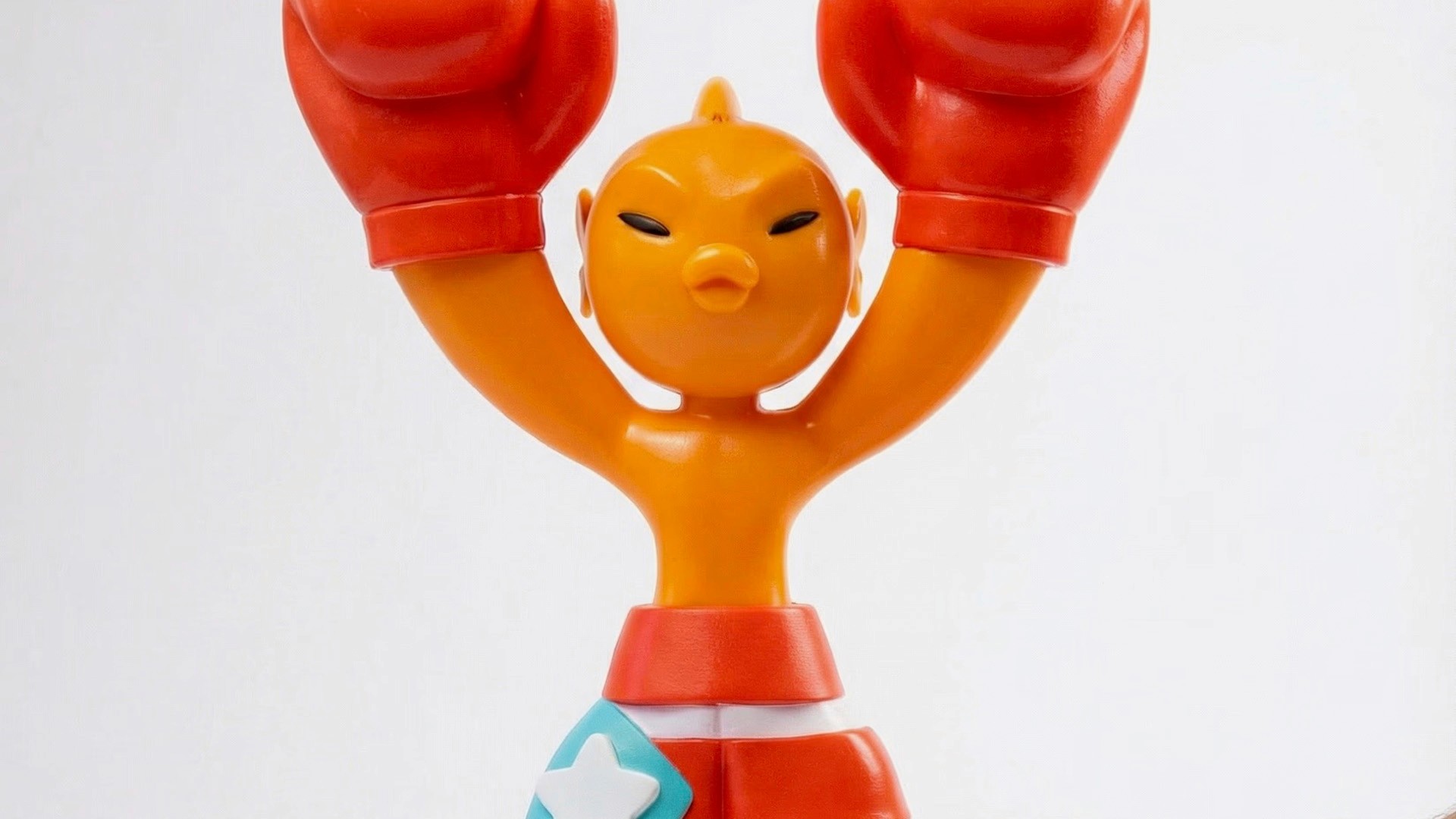
'El Champion', 2026
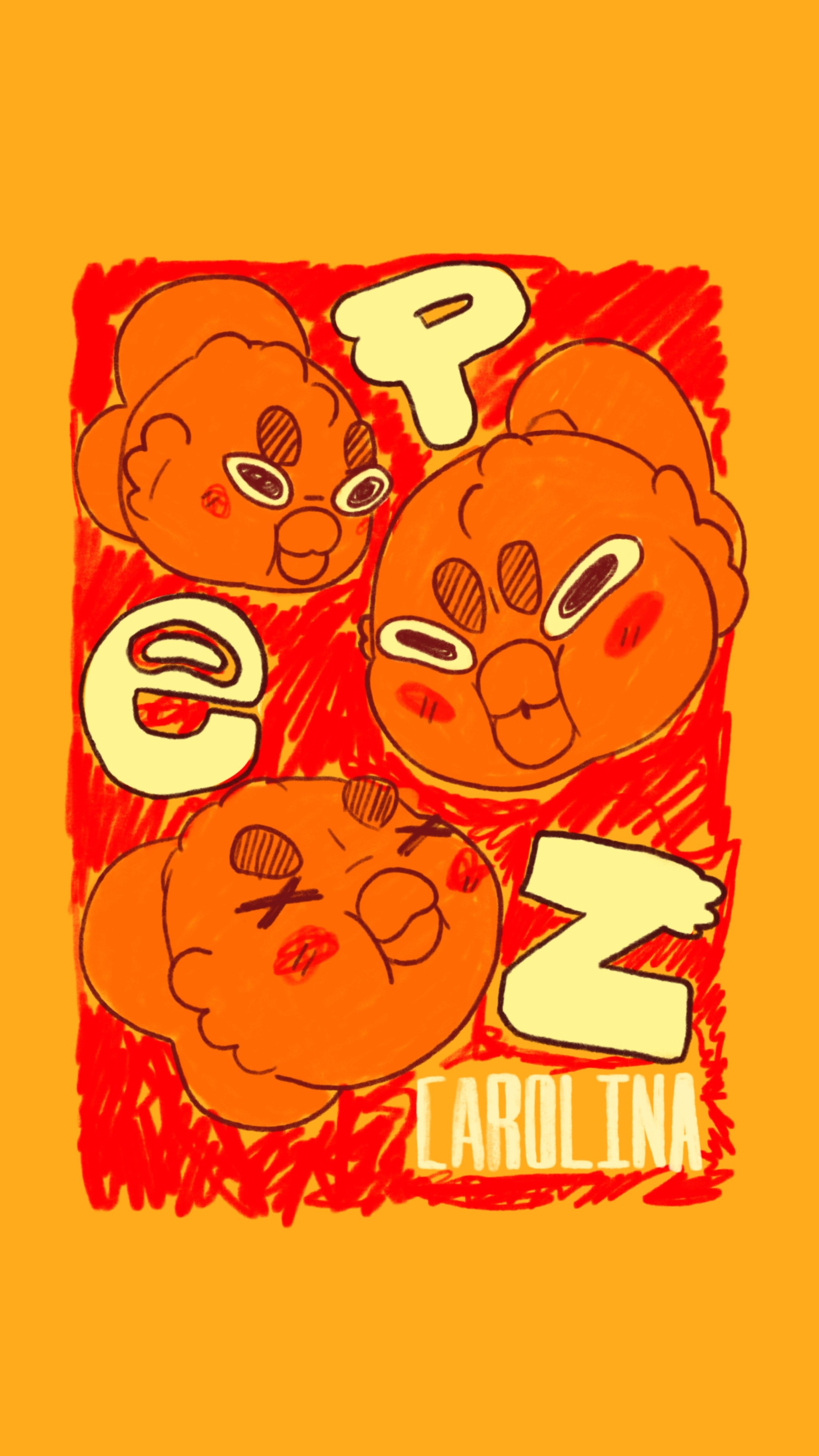
Carolina Fernández Noriega was doodling in class when she made the character that would eventually become her life's work. She drew a tiny, cute fish and gave him the attitude of someone who had something to prove. She didn't have a name for him yet, but she knew the juxtaposition was funny, so she kept drawing him.
By the time she graduated from Parsons, where she studied illustration, the character had a name, a thesis built around him, and a set of prototypes she'd spent a year refining. Carolina had spent four years deliberately taking classes in graphic design, product design, typography, and creative entrepreneurship because she knew exactly what she was building and which skills she would need. The character is called Pez. It means fish.
What she's building around him is harder to place in a single category. The work pulls from ancient Taino and Aztec artifacts and from a childhood in San Juan she left at eleven, and she's been thinking about how those two things connect for most of her life. She labels herself a collectible designer. The first collection drops by the end of this summer.
Tell me a little bit about who you are.
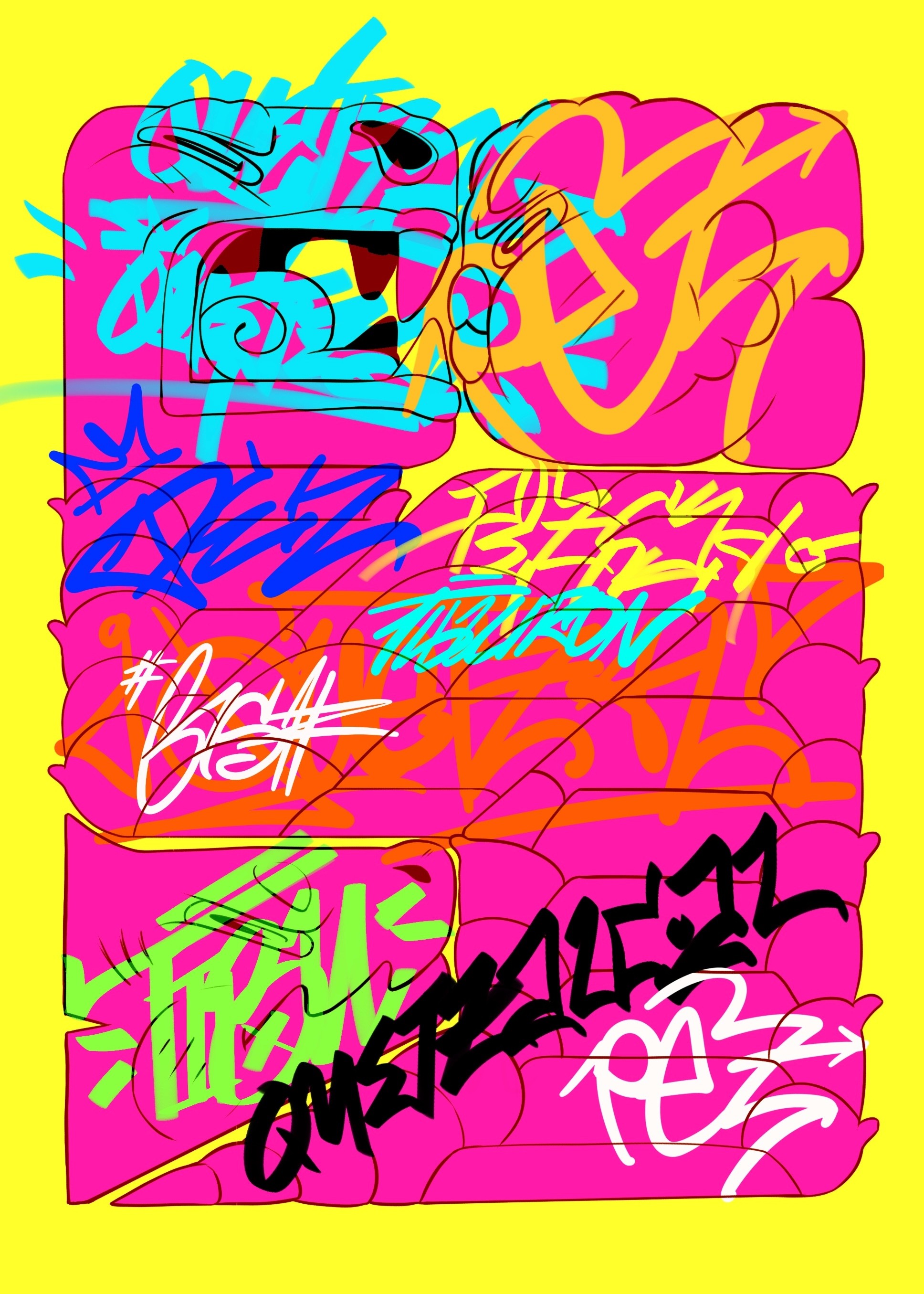
I've been labeling myself as a collectible designer lately, but the broadest term is an artist. With collectible design, I do art toys, but I also do fine art. So it's things and pieces that people would want to collect and value, and it goes from sculptural to lighting to screen print and canvases as well. My artist statement is that I am looking to bridge both of my cultures, because I'm Puerto Rican and Mexican. So I'm always finding similarities between both, and also differences, and exploring that. Lately I've been really interested in ancient and indigenous work and art artifacts from both cultures. In Mexico you have the Mayan and Aztec and a bunch more, and in Puerto Rico you also have the Taino. In both cultures there's stonework and a lot of clay work and a lot of artifacts that remain after many many years, and it's something that I love, how it's carried down and how it's physical. So I find ways to bring in either the texture or the material or the composition from those different areas and merge it with something contemporary. It can be more urban, or it can be graffiti, or it can be a reggaeton beat or something vibrant, combining both worlds. Combining modern Latino art with ancient Latino art in a fun, collectible way is the easiest way to put it.
How would you describe your work in your own words?
Very vibrant, bold, and kind of fun.
In your bio it says that you make art toys. Can you describe what art toys are and why you wanted to combine fine arts with collectibles?
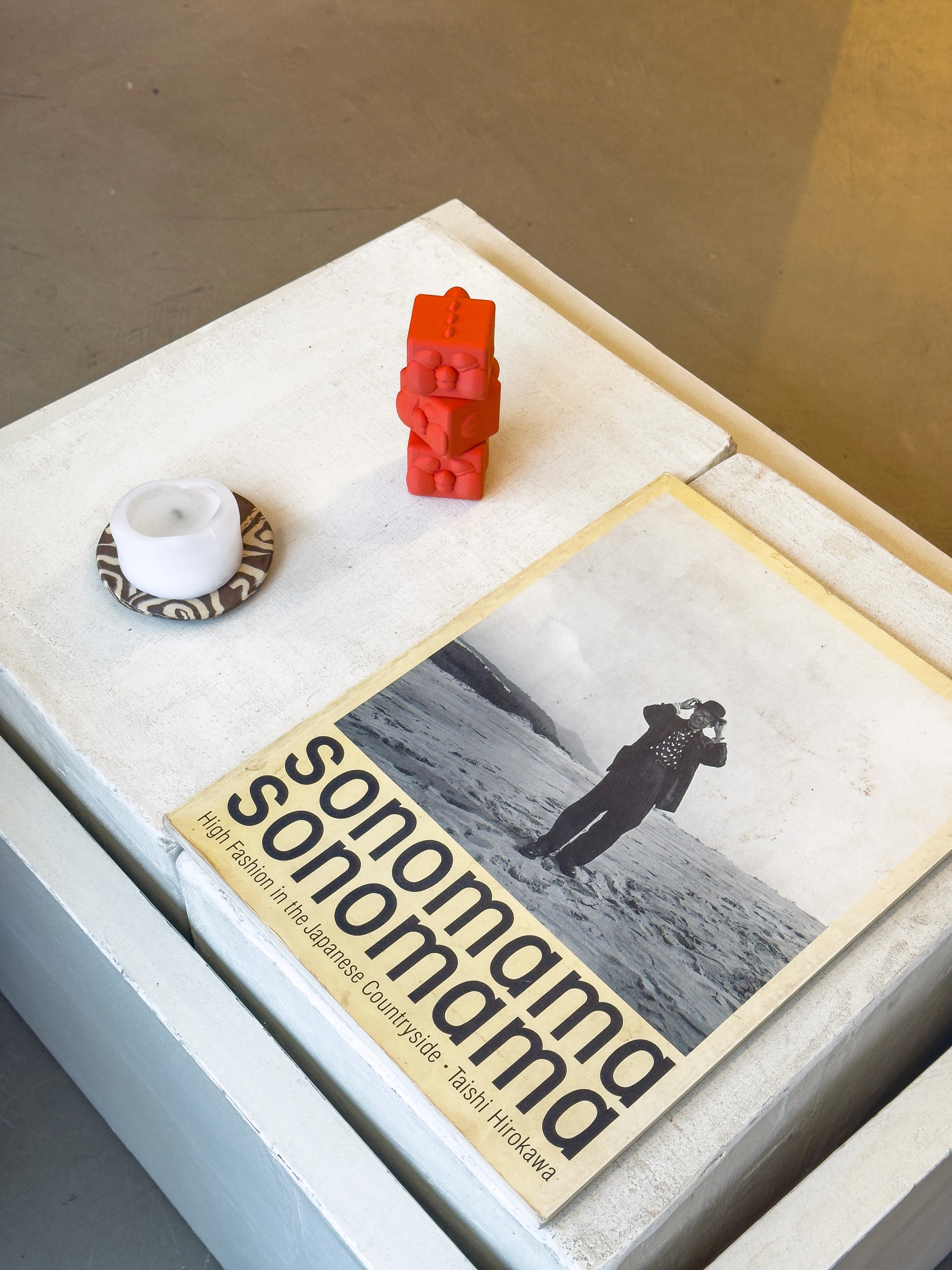
Art toys are essentially just toys that are seen more as sculptural pieces and works of fine art rather than just a figurine. I think if you get any figurine and call it an art toy, it can be an art toy, but sometimes it's the process in which it's made that makes it more high-end. So instead of just plastic, it can be a higher-end plastic so it weighs more, and then the packaging is very high-end and refined. It sells at a much higher price point and it's seen more as a collector's item. That's the distinction between an art toy and a regular figurine. As for why I wanted to make it an art toy, since my background was in fine art, the goal is to always be in a position where I can safely sustain myself out of my work. Fine art is something that moves a lot of money in this world, especially in New York City, so it is something very desirable to want to be a part of. I also feel like there's a lack of representation of women, and Latino women especially, in the streetwear area, which art toys kind of operate under. A lot of the top art toys are mainly owned by men, and if they're men, they're either white or Asian. Recently Slan has been coming up, who is of Nigerian descent and London based, and he's been getting a lot of attention, but that's like the first Black person in that space and there's not much representation. So I was like, I guess I'll be the Latino representation, and a woman at that. I do know that a lot of my audience is male-based, but I always want to empower other women and show that we can also operate in a very high-end, high-skill way and have a lot of influence in culture and media.
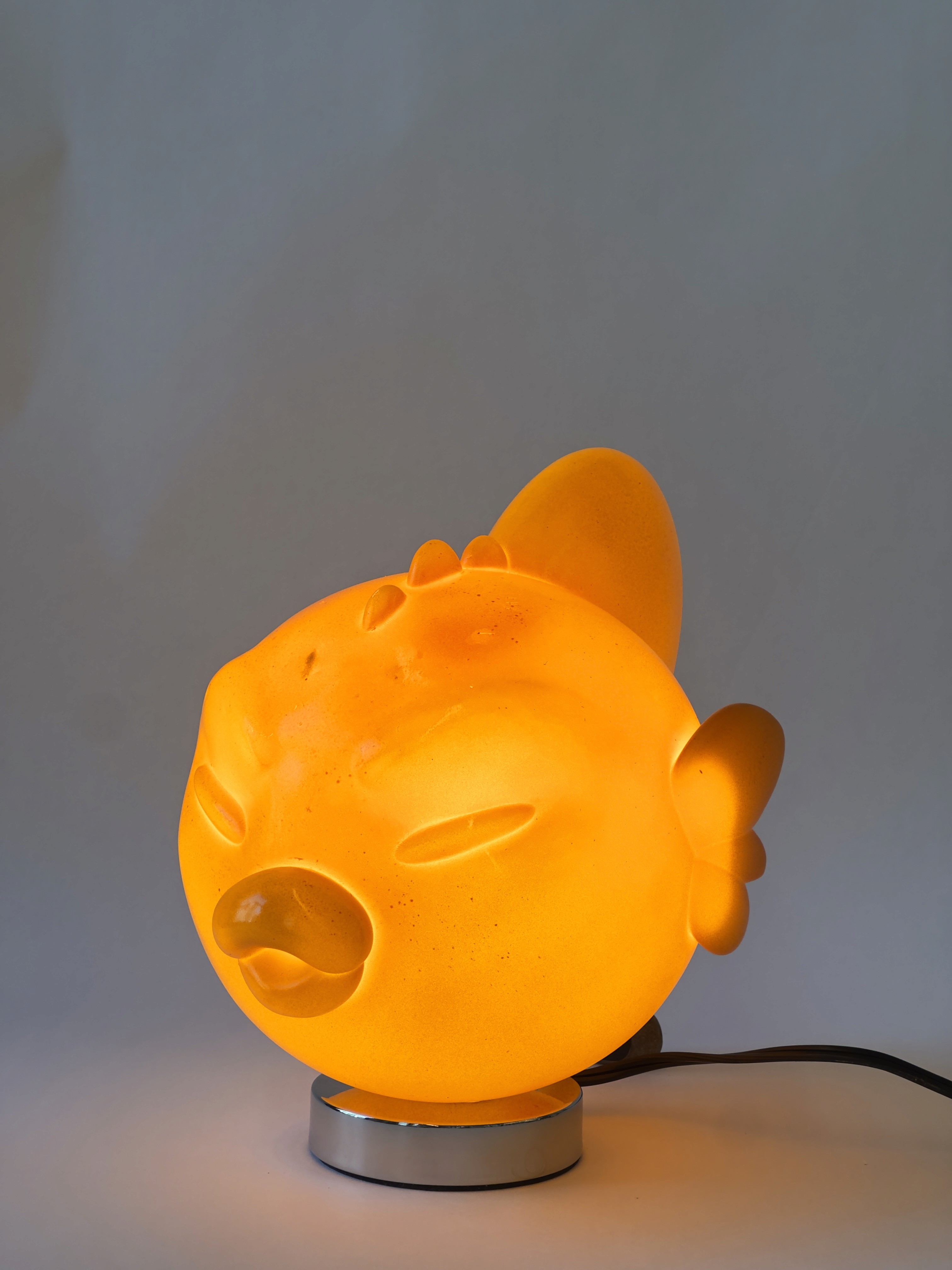
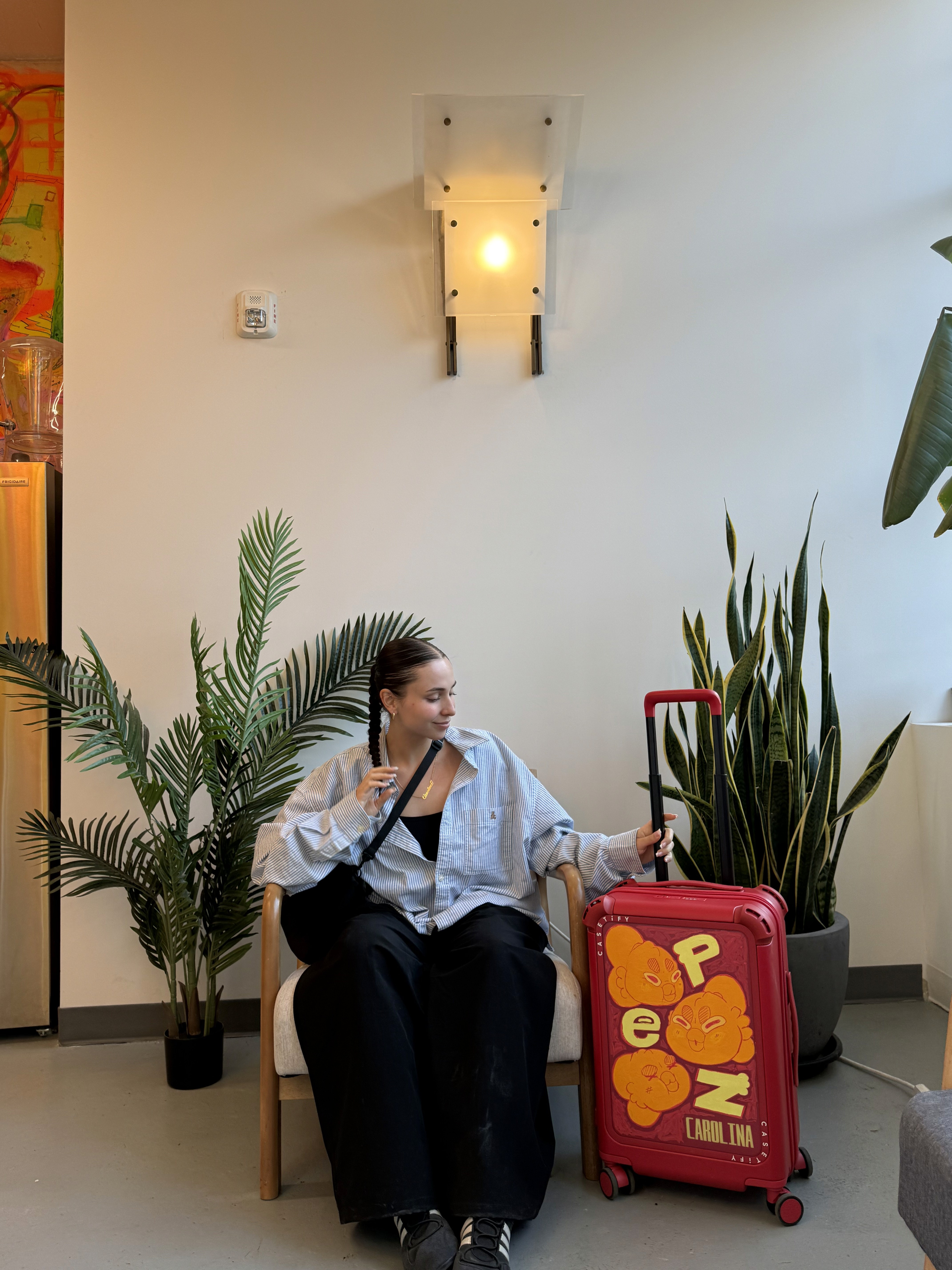
'Pez', 2025
What do you do for your job working in streetwear?
I creative direct and content manage a streetwear brand based here in New York City, but I also have my own company that I work under as a contractor. I've worked as a contractor for creative directing different campaign shoots, different events for New York Fashion Week, and I've worked with a lot of styling and stylists based in New York City, from editorial to event and everything in between. I also previously worked as a graphic designer, so I do have a background in graphic design, which I use a lot in my work as well, whether it's social media or packaging design or the stuff that I make for Pez.
You talk in your videos and your bio about wanting to push that your work is shaped by culture instead of trends. Why is that something you want to highlight?
I want to be able to say that this is a Latino brand, and for it to be successful, I also don't want to have to dilute how Latino it is. Sometimes to make something more commercialized and more big, you need to make it broader so it fits the palette of more people. But my wish for it is to be fully successful without having to change how true to its roots it is or how Puerto Rican it is. I'll still have some designs that incorporate a lot of Spanish. I'll still integrate some English, because in Puerto Rico they speak both Spanish and English and a lot of Spanglish. But the first collection I'm dropping is called La Galisia, and that's not changing. I just want to make sure that even though my content is in English, who I'm doing this for is very much for me and for my family and for people who also want to do something like this.
Can you walk me through how you got into 3D design?
As part of the curriculum at Parsons, they make you go through a lot of different mediums. Freshman year it's drawing and imaging, so you get your charcoal and pencil and you're doing a lot of still life drawing. Then second year was 3D and materiality, which was more like casting with plaster and playing with different sculptural forms. Then we did animation, and then 3D rendering. There was a class where you either had to make a puppet, a plush toy, or a 3D rendered object that you could 3D print. I didn't want to make a puppet, but as someone who was already interested in fashion and streetwear, I was already familiar with art toys and how much they sell for and how much hype is around them. I also really like Takashi Murakami, his paintings and work, and it seemed like something I could relate to. So that's when I had the first idea to make these different figurines. The first one was Pez sitting down, and then the lamp. It was a 3D printed lamp and it was a really bad first render, but it lit up and it worked and that got a lot of people excited, and also got me excited seeing it light up and glowing.
How did you carry it forward after graduation?
The 3D rendering class was my third year, and for my fourth year, my thesis year, I decided to make it my thesis. I was going to make the character, a painting that goes with it, the lamp, an 8-inch toy, and then a 14-inch one. My thesis was the collection and how I was going to plan on marketing it, which I was very thankful for because my school gave me the background to take a product from ideation all the way to crowdfunding to marketing and selling. I also took a class called Professional Practices for Product Design. A lot of people at Parsons didn't know what my major was because I was taking classes for everything, because I knew exactly what I wanted to do. I knew I wanted to creative direct a brand and run my own company and make a product, so I took the classes that would give me those skills. I was in illustration the whole time, but I was doing everything. It was all part of a plan. I was just putting the pieces together. I knew I wanted this to be my livelihood after graduation, so while I was in school I was actually doing things and taking classes that I knew would prepare me to push this further and make it into a legitimate brand.
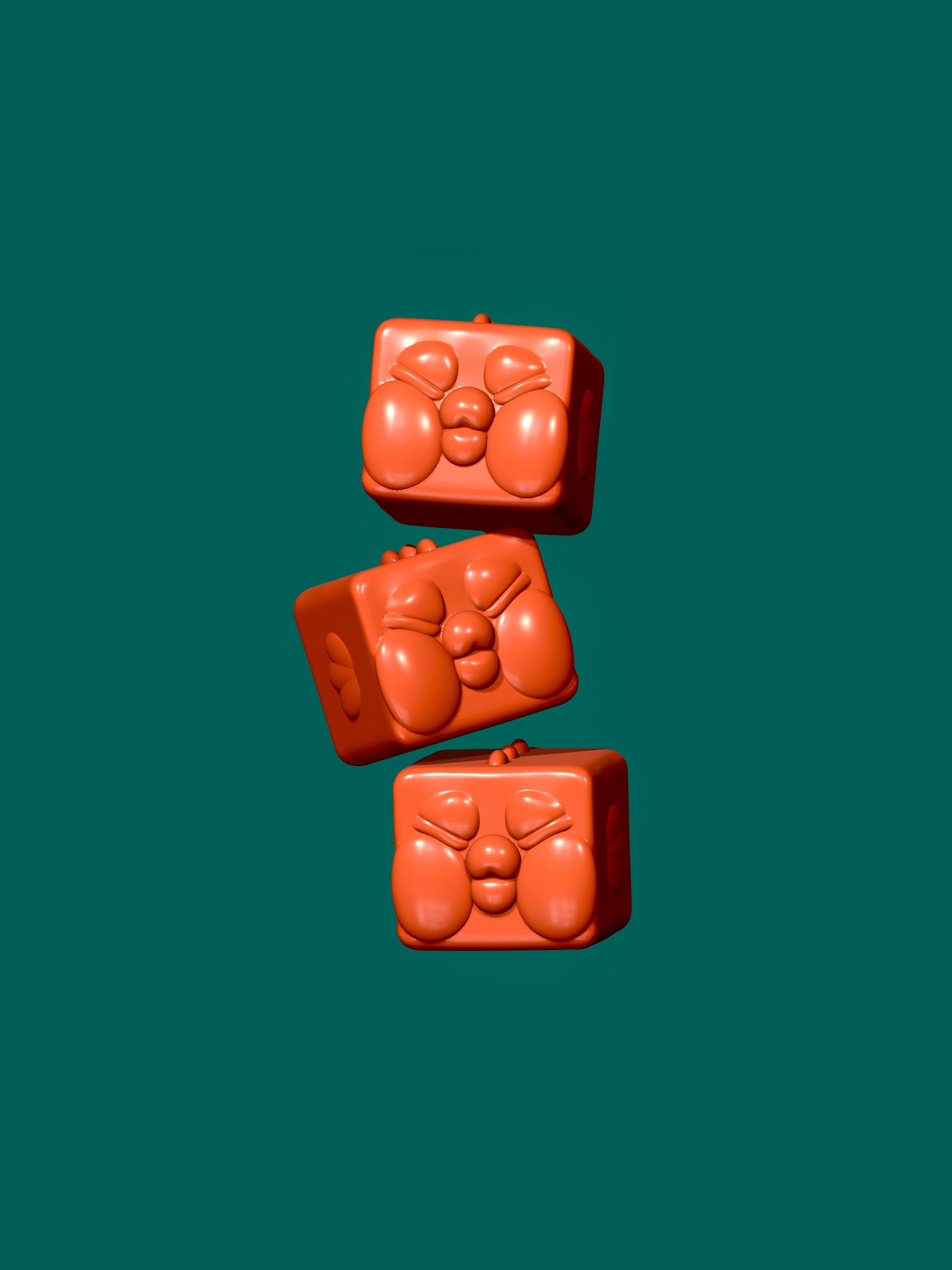
'Stackables', 2026
Can you touch on what you've been doing recently and when the launch for Pez is?
The launch for the El Campon collection is hopefully going to be by the end of summer. One of the things I'm working on right now is making it an experience for the person buying it. I'm building a website with a web designer right now who I actually met through the guy I share my studio with. Through the community I've been building on social media, I've gotten a lot of connections and tools. I've been building a world around this character and making it more interactive, so when you go to buy the product, you're not just buying the product. You get the fish, but you also get a piece of the world I'm building. I'm connecting it a lot more with Puerto Rico and Taino and the influence of old school video games and early 2000s user interface. It's going to be pixelated, low poly, nostalgic and fun and playful. I want it to be like you're not just getting the toy, you're getting an experience and a part of the universe. You're immersing yourself in it.
When did you come up with the idea for El Campon?
Pez was born because I was doodling in class and I don't know if I was feeling homesick, but I would do this really cute character and then make him say kind of vulgar things in Puerto Rican slang. I thought it was so funny, the juxtaposition. It's like this cutesy little teeny tiny character but he's like, no, I'm tough, don't look at me. As I've been developing it, I've looked back and remembered instances from growing up where my older brother's friends would come over and be like, "Oh, your little sister is so cute," and I'm like, "No, I'm not cute, don't tell me that." So I feel like I've been building Pez as a reflection of myself. It's this character who's tiny and cute and people are like, "Oh, little guy," and he's like, "No, I'm big and I'm tough and I'll show you." Part of my exploration was also asking what is something that both Puerto Rican and Mexican culture share, because I knew the character was Puerto Rican through and through, but I also wanted to integrate some parts of Mexican culture. And we both love boxing. That's huge in both Mexico and Puerto Rico. So I was like, okay, he can be a boxer, trying to prove that he's big and strong despite his size. I gave him boxing gloves and modeled the shorts after the famous Puerto Rican boxer Trinidad, who has the Puerto Rican flag on his shorts. It was a nod to the culture. And in a way, launching this character, he's going up against Bearbrick and every other art toy in the community. Putting out the first drop with the champion is kind of setting the tone. It's scary, but I'm letting him out into the ring and saying, do what you got to do.
What does the world of Pez look like to you?
That world looks like home to me. I did grow up in Puerto Rico and I loved it, and I moved when I was about 11. I've been reminiscing about what I would eat, what I would do, what the street would sound like, what the environment was like, what the colors were, how summer felt. I can so clearly see myself walking around the streets or being in school and hearing the kids. I'm pulling little pieces from here and there and bringing them together. I know it might not be everyone's experience of Puerto Rico, but it is very much at least mine and a few people who might have grown up on the island at the same time. That's what I mean when I say it's really nostalgic. I also want to make sure it's cool and designed well, so anyone can be drawn to it, but for those who actually do recognize it and see it, I really want them to be like, "Wow, I haven't seen that in years." There was also a lot of really hard stuff going on in Puerto Rico around that time, the economic crash, the government, violence was up, a lot of very sad and unfortunate situations in the community, which is in part why my family ended up deciding to move. But even though all of that was happening, my mom especially did such a good job of protecting me and my brother and giving us beautiful memories of Puerto Rico that we had no idea about the hard stuff going on around us. So I feel like that's also why I try so hard to share that joy in those little pockets that I remember so vividly, while also recognizing that this is so much bigger than just a toy.
What programs do you use for your 3D designs?
I bounce around between Nomad Sculpt and sometimes Womp 3D. If I'm in Womp, I'll make something really quick and then export the file back into Nomad. But I primarily work in Nomad Sculpt. I also made a friend at Parsons who works in the design lab and is really good in 3D rendering and 3D printing, and I've reached out to him here and there for advice and consultation.
Do you have your own 3D printer or did you have to find a manufacturer?
At first I was using third-party printing. I actually just bought my first 3D printer. I was reaching out to a lot of companies to see if I could secure a partnership since I share a lot of my process online, hoping for at least a discount, but it's a very hard industry to crack. I was like, it's cutting into my production time, I'm already working on finishing the website, I want to start getting emails in and setting up an email list to start gathering the attention I've gotten, so I need to get the printer myself. I've also been lucky enough to make friends on social media who also make art toys and share their process, so I've been visiting their studios and getting recommendations on what materials and machines they use. In school I would render and set up the file, but as for 3D printing, I didn't touch the machines. That was for the staff. So I'm more the designer and I'd send it over and get it back. With buying my own printer, I'll be taking on that role and seeing more of that process hands-on.
How difficult is it to work through the seams and technical constraints of 3D printing?
It's very difficult. At first I would have gotten a resin printer and launched months ago if it wasn't so toxic. I used to work out of my living room, but it's not recommended at all to have a resin printer where you eat or sleep because those are carcinogens. You need a very good ventilation and filtration system to get those fumes out. So I was like, if I'm working out of my living room, I can't get a resin printer. I need to get a studio. So then I went through figuring out how I was going to get a studio, and I ended up getting another job to help pay for it. And then through social media, I met a friend who reached out to me. He said he loved my work, I loved his, he had just graduated from SCAD and was moving to New York, and next thing I know we're getting the keys to a studio we're splitting. It was the most economical decision and it was also just fun. He's also a really cool Latino creative in the field with his own brand, and it was just divine timing.

'El Champion', 2026
Social media has been really influential in building a community for you.
It's been so helpful. Social media has such a stigma nowadays, but the pros outweigh anything else. I started posting because I knew I wanted to launch this and I needed an audience of people who were going to want to buy it. It was a way for me to build a community around this and start getting that interest, engaging it, seeing like, okay, do you guys like this? And then everyone's like, "Oh my god, we love it." And then I'll post something and it's crickets, and I'm like, okay, so maybe not that. But it's also a good way to test the market and see the waters before you fully invest in something, which has been really helpful.
Can you talk about the experience of building the business alongside making your art?
As an artist especially nowadays, you kind of have to have social media. I have a friend who works at a gallery and she was telling me that they are starting to favor artists who do have a following on social media, because at the end of the day they bring the crowd. As an artist nowadays, you wear many hats. You are the creative, you're making the work, but you also need to document the work because we live in an era where if it's not posted, it doesn't exist. And then I'm also my own agent, managing myself and brands, getting my foot in the door, being my own advocate. And I'm also my marketing person, looking at how I want to do the mood board and how I want to talk about this and showcase what I'm building. And I'm my own product designer, the graphic designer, the packaging designer, the 3D renderer. I'm executing everything. I have a whole company and the company is me. It's a juggling game, and you need to be careful that you're still giving yourself the time to just create and have fun creating. It's so easy to get lost in the other roles, and then you get so burnt out that you don't want to create anymore. The most important thing you should prioritize is creating. Even though I post on social media, I wouldn't ever call myself a content creator. I'm an artist who shares my work online. I graduated and started working with a styling agency as their creative director, and I was doing really fun stuff. But I was so burnt out and I didn't have time to build Pez. People would ask me what I want to be and I'd say an artist, and I wasn't creating. I wasn't having fun. I wasn't getting messy with my hands. So I had to be real with myself, and I decided I was going to step away from that position and give myself the next six months to fully dive in. I also told myself I would use social media to hold myself accountable to creating consistently, because in turn I'd create an audience that was expecting stuff from me. It would force me to make something new often, which is good. I should always be pushing myself to my creative limit and always wanting to experiment. Even if something might seem done, what more can I get out of this?
Where do you want to take Pez?
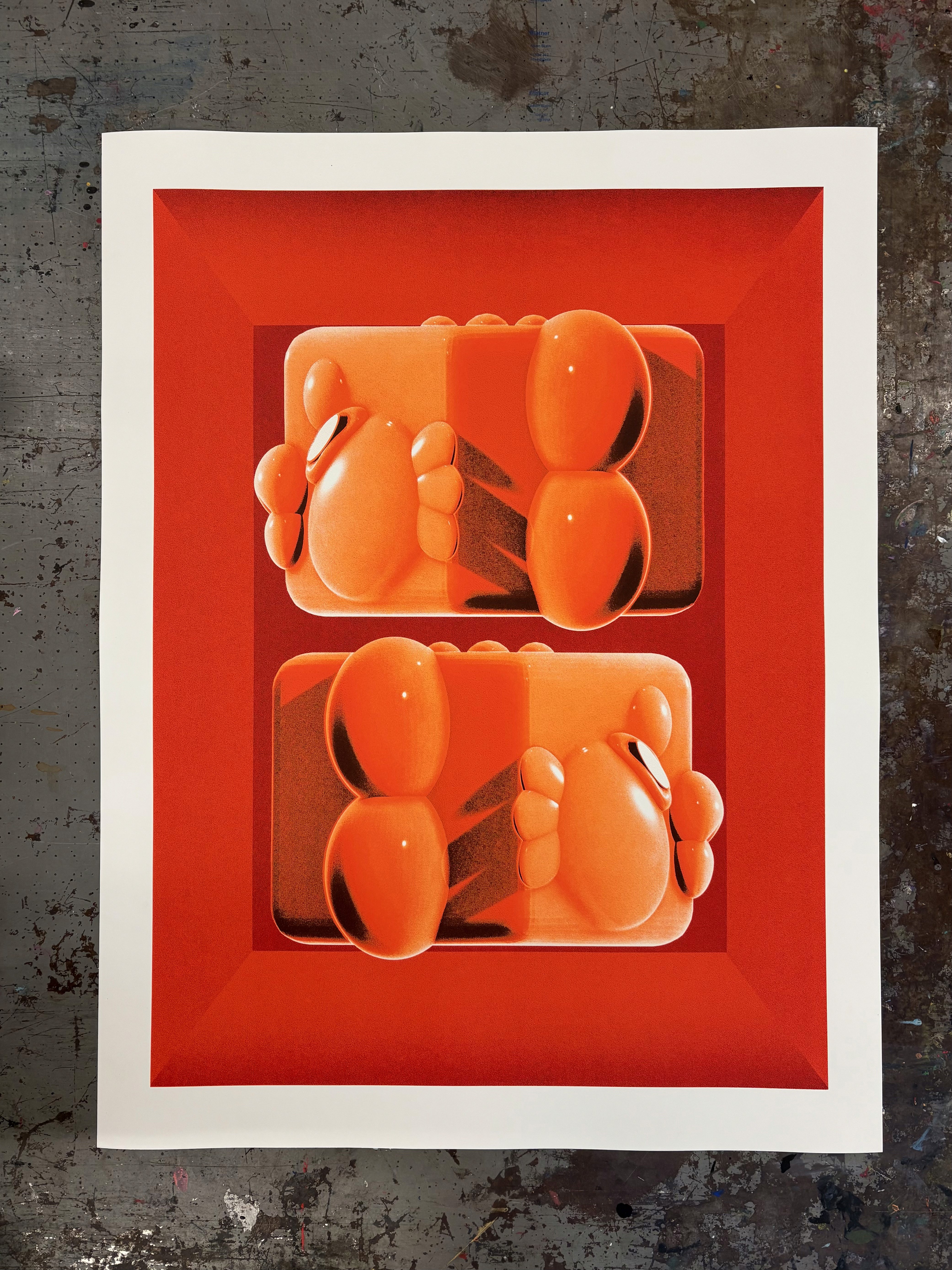
In the next couple of months, I'm going to drop El Campon and the prints. I call the orange bay prints Piscasso. In the future, I want this to be as big as Murakami, almost. I want to collaborate with Bad Bunny. I feel like any Puerto Rican would want to do that, but I'm saying that here on the record. Or Young Miko, any other big cool Puerto Rican artist. And also with a really high-end fashion brand. I think the goal would be Miu Miu, or maybe LV, doing something with them like they've done with Takashi. Having a really big collection with different pieces and collaborations with really cool brands, not too many, because I do still believe in quality control and I don't want to spread myself too thin. And I want to make sure what I'm doing is still very true to my intention with it. Giant sculptures in the middle of New York of Pez standing and fighting. A float in the Macy's Parade. The goal is to make something instantly recognizable. I've already had people message me on DMs and send me anything circular and orange and be like, "I thought of Pez," and I'm like, this is so good. I want it to be like Mickey Mouse with the two ears. I want people to associate it just like that, where they're recognizing it without even trying to. And I also want to inspire people to make their stuff. I've already had people say, "I started doing this because you inspired me," and I'm like, yes, keep going.
Carolina left Puerto Rico at eleven with memories she has been reaching back toward ever since, and somewhere between a doodled fish in a classroom and a thesis built around him, she found a way to make that reaching into something tangible. The character who started as a joke about juxtaposition, tiny and cute but unwilling to be treated that way, turned out to be the most honest version of what she was trying to say. The first collection drops by end of summer, and Pez is ready to fight.
Articles
Magazine
Submissions