
Design
Branding
Digital
Motion Design

Isabel Lauren Loewe
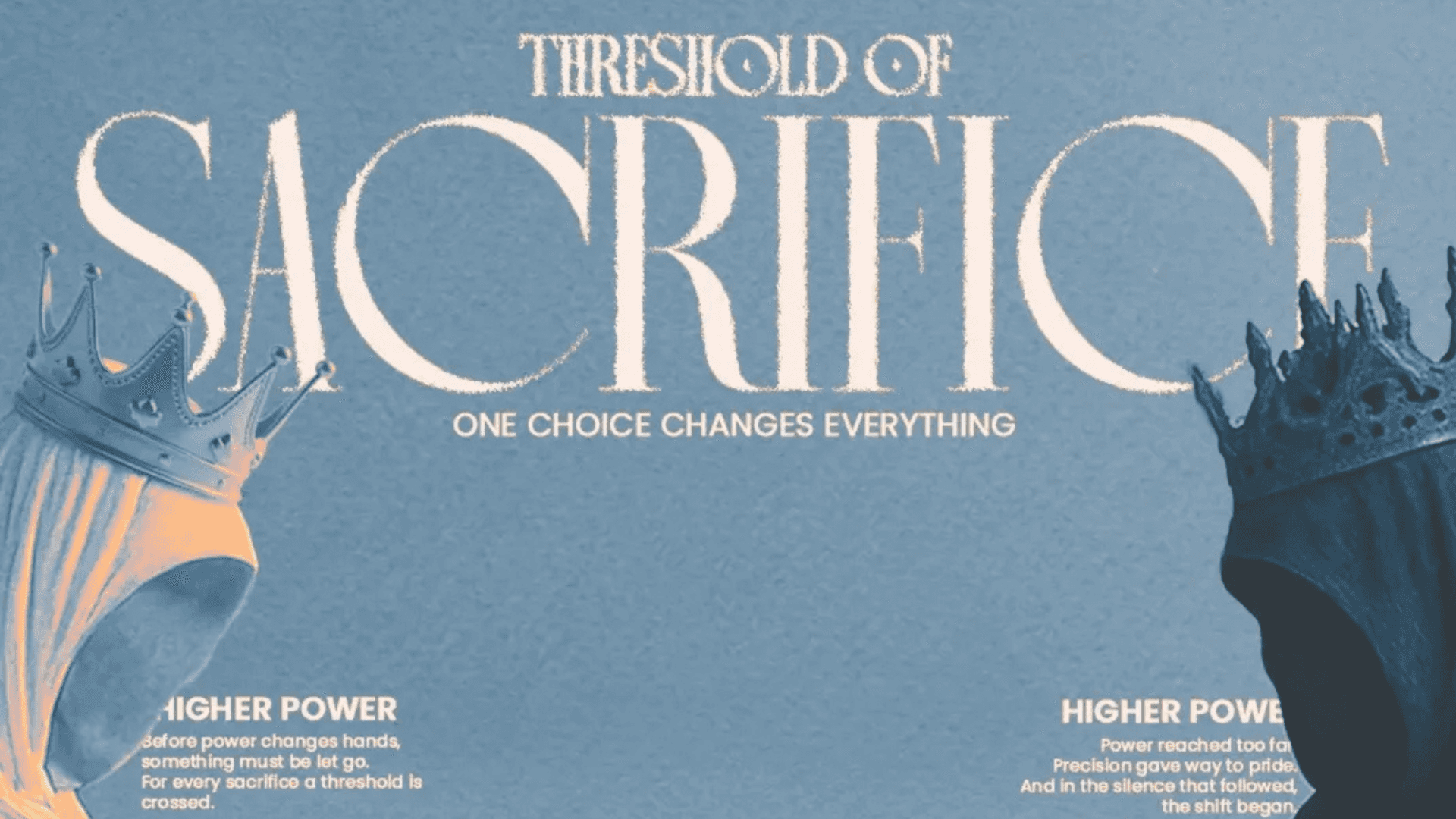
'Sacrifice', 2025
David Momodu is a brand identity designer and poster artist based in Lagos. His work arrives fully formed before he opens the software. By the time he sits down, the atmosphere is already decided, the emotional tone set, the approximate weight of the type known. The gap between what he imagines and what ends up on screen is almost nothing.
He gets the ideas for his posters from stoic videos online and the Bible, each quote drawn from somewhere personal in him. Then he got a message saying one of his pieces had pulled them back from suicide. His first thought, he says, was that he had an idea for a new poster. That instinct, to turn meaning into work, is now inseparable from how he thinks about what the work is for. He wants people to see something with weight. Not another image moving through a feed, but something that stays.
Building a design career in Nigeria without a clear roadmap means learning to work around things most designers in other markets take for granted. Unreliable electricity, payment systems that don't reach you, no formal infrastructure for someone trying to make a name in poster design or experimental typography. David came up through all of it, largely alone, studying designers online, posting work that barely got attention, and slowly developing a practice that had no obvious precedent around him.
How did growing up in Nigeria shape the way you see things, before you even picked up design as a practice?
Yes. Nigeria has a great influence on how I see design. From the environment to the people. There’s a certain intensity to life here: the colors, noise, and street graffiti. I grew up surrounded by visual character. I think it also made me appreciate identity a lot more. Nigerian culture is very expressive and layered, and that pushed me towards work that feels emotional and human.
Has pursuing a creative career in Nigeria come with specific obstacles? What does the path actually look like?
Bruh, where do I even start? It's pretty difficult. Especially when you’re trying to build something independently. A lot of the path feels unstructured. There isn’t always a clear roadmap for creatives here, especially in fields like poster design or experimental typography, so most of the learning comes from self teaching, online communities, and constant trial and error.
Struggles with the internet, unreliable electricity, international payments systems. For me, the path looked very gradual. It was a lot of learning alone, studying designers online, experimenting constantly, posting work even when it barely got attention, and slowly refining a style over time. At the end of the day if you’re not resilient as a creative in Nigeria chances are you won’t make it.
Can you give us one specific thing you saw in Nigeria, something from the street or your neighborhood, that has influenced you?
Well the ones I can think of right now are the graffiti under the bridges in Agege and the Falomo bridge underpass. Of course there are many others. These are just the ones off the top of my head.
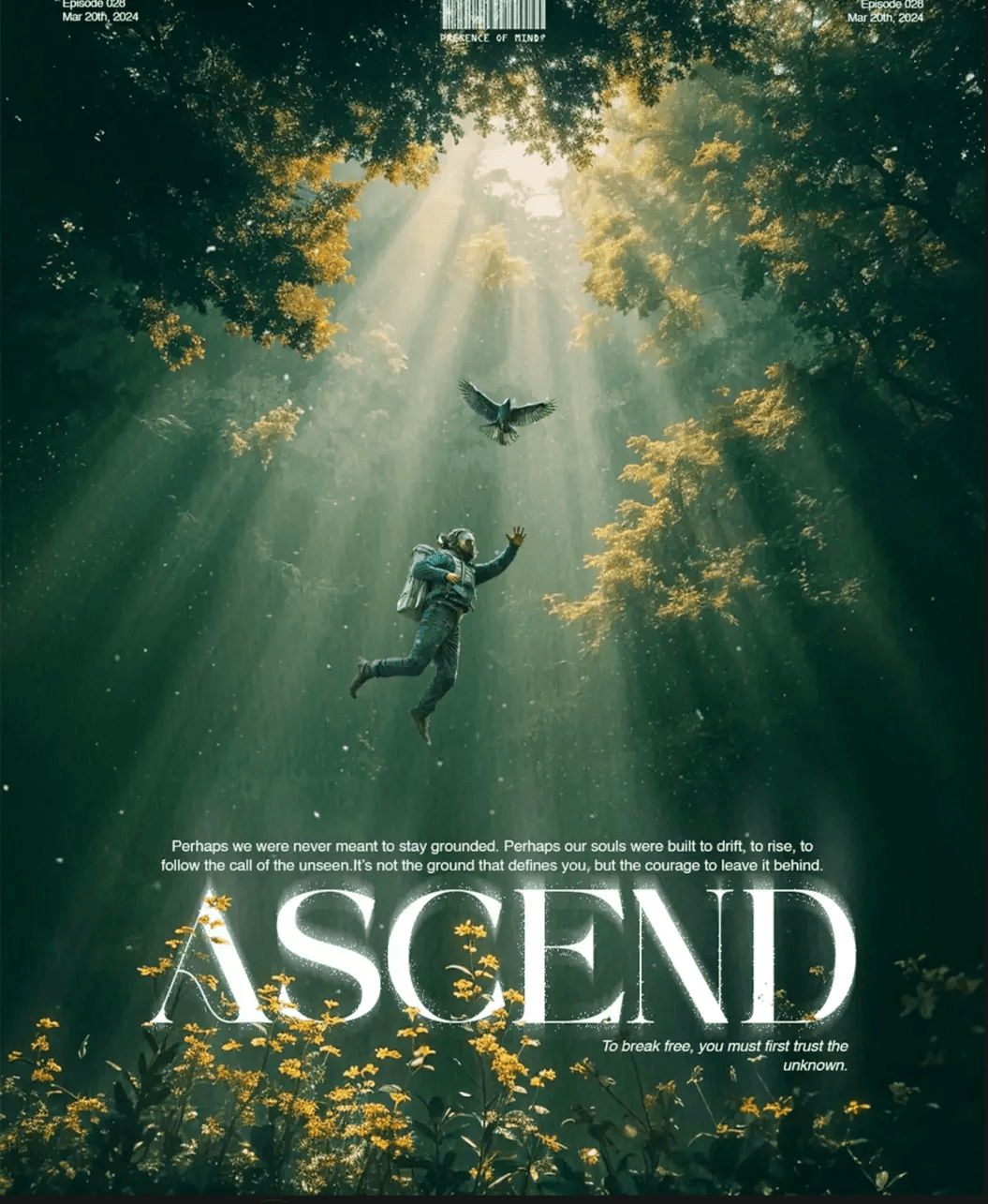
'Ascend', 2026
You call yourself a brand identity designer, but your poster work feels like it's operating in its own space. How do you hold those two things together?
Basically, I see them as different expressions of the same core instinct. Brand identity teaches me communication and structure. While poster design is more personal, expressive a natural expression of my design instincts and my imagination. Here I can do whatever I like distort type, exaggerate scale push textures. I think the two balance each other out. Branding keeps me disciplined, while posters keep me curious
What does a brand identity project give you that a personal poster doesn't, and vice versa?
Branding is more structured. In a way posters help me develop my visual language, branding helps me to apply that language with precision.
When you sit down to start something new, what are you actually trying to figure out?
I usually think of everything before I even open the software. By the time I begin, I normally already know the atmosphere, typography style (I may not know the exact font but I’ll know the type of font), composition, emotional tone, and the kind of impact I want the final piece to have. So the process becomes less about “finding” the idea and more about translating what I already see mentally into something tangible without losing its intensity. I’m mainly focused on execution.
How much of what ends up in a finished piece was planned, and how much arrived while you were working?
Everything appears just as I imagined it. The only thing that may appear as I work is the choice of typography.
What does your process look like on a day where nothing is working?
I usually just go do something else that isn’t design.
Your typography feels embedded in the image rather than placed on top of it. How do you think about that relationship?
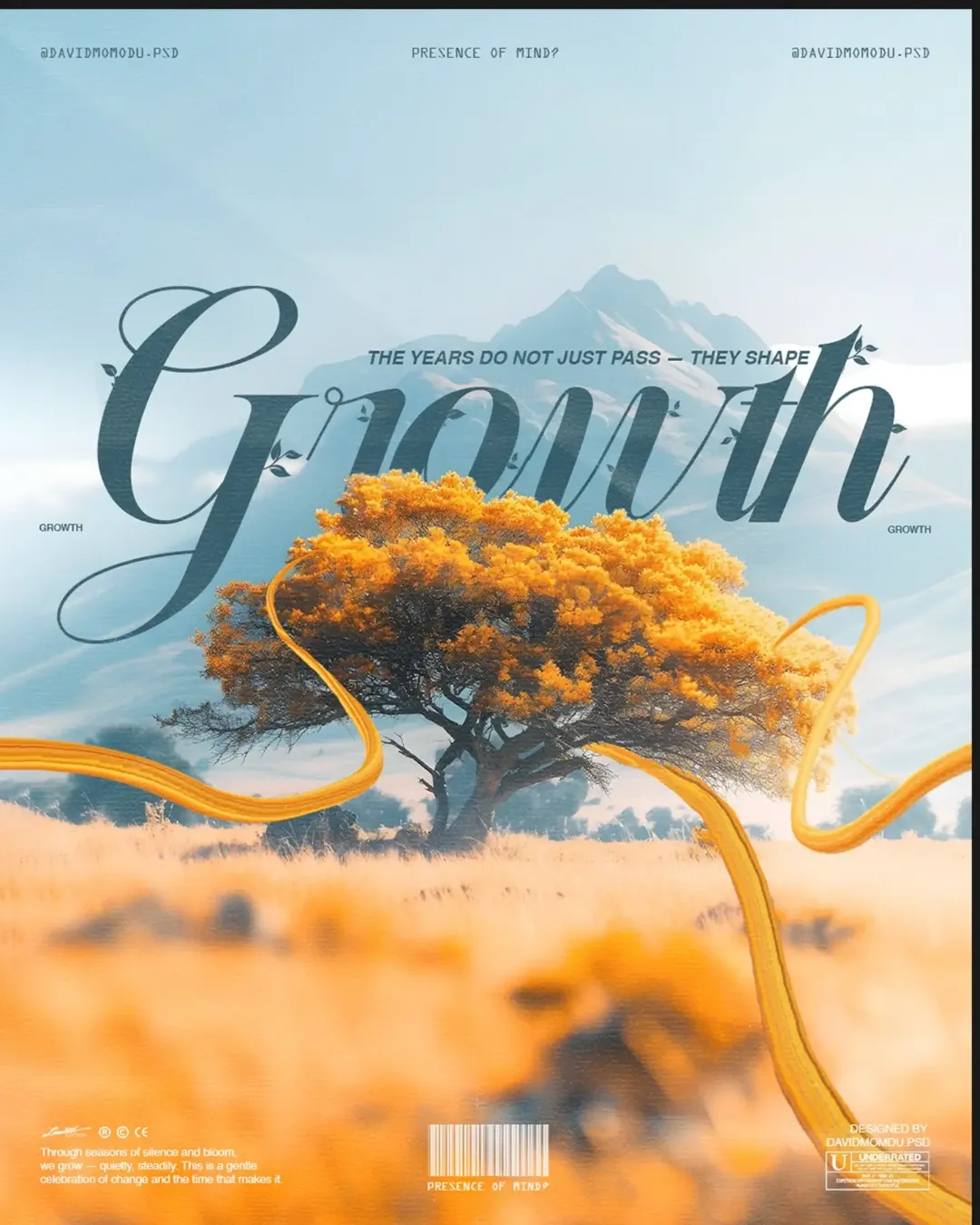
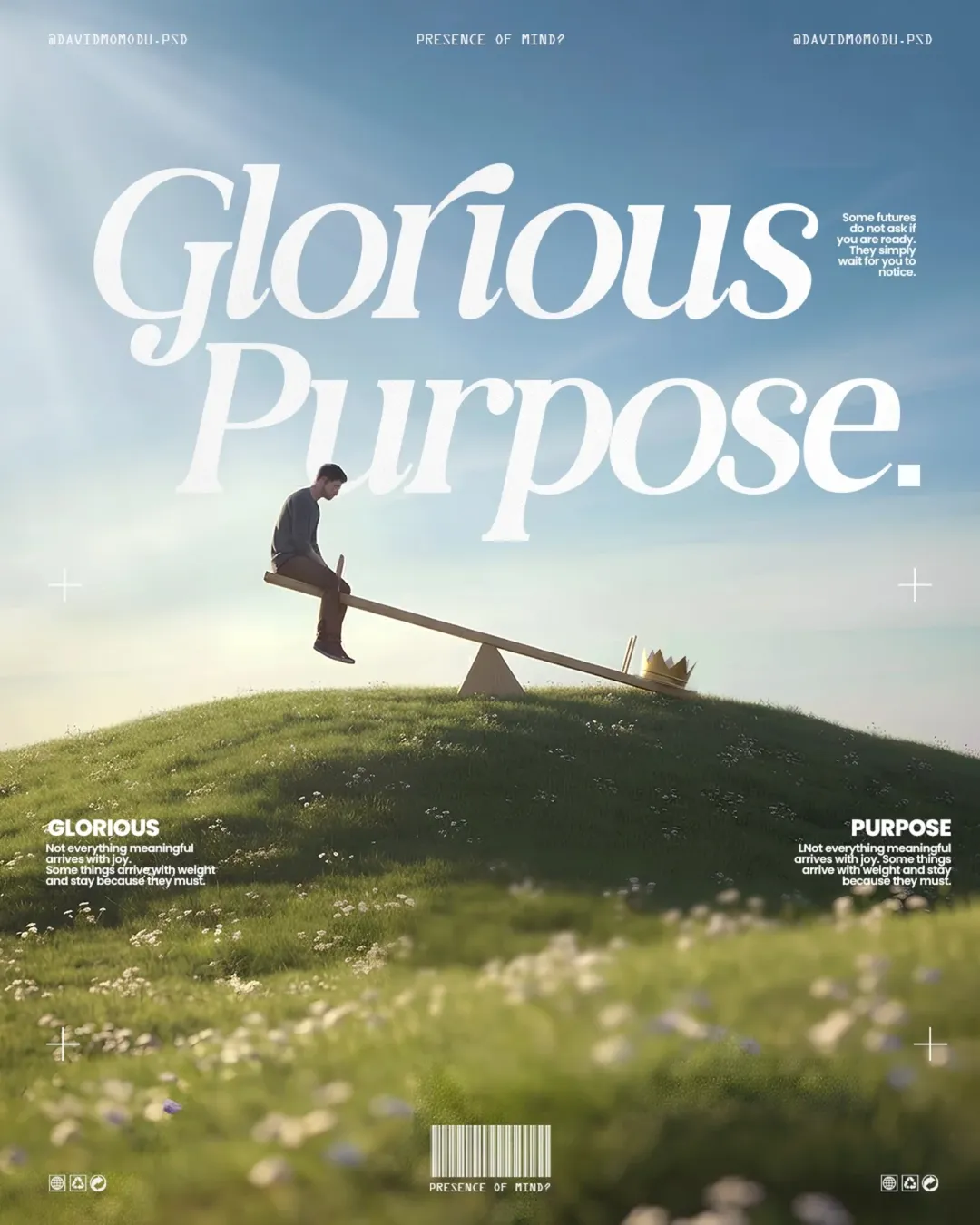
I try to make the typography feel inseparable from the image itself. I’m always looking for ways to make the piece feel distinct and immersive, so the type becomes part of the atmosphere rather than something simply placed on top.
Where do you source your typefaces, and what are you looking for when you choose one?
Mainly Dafont or Unblast. I naturally prefer sites where I can see the font in it’s natural environment just as the type designer intended. That way it gets easier to pick the right one.
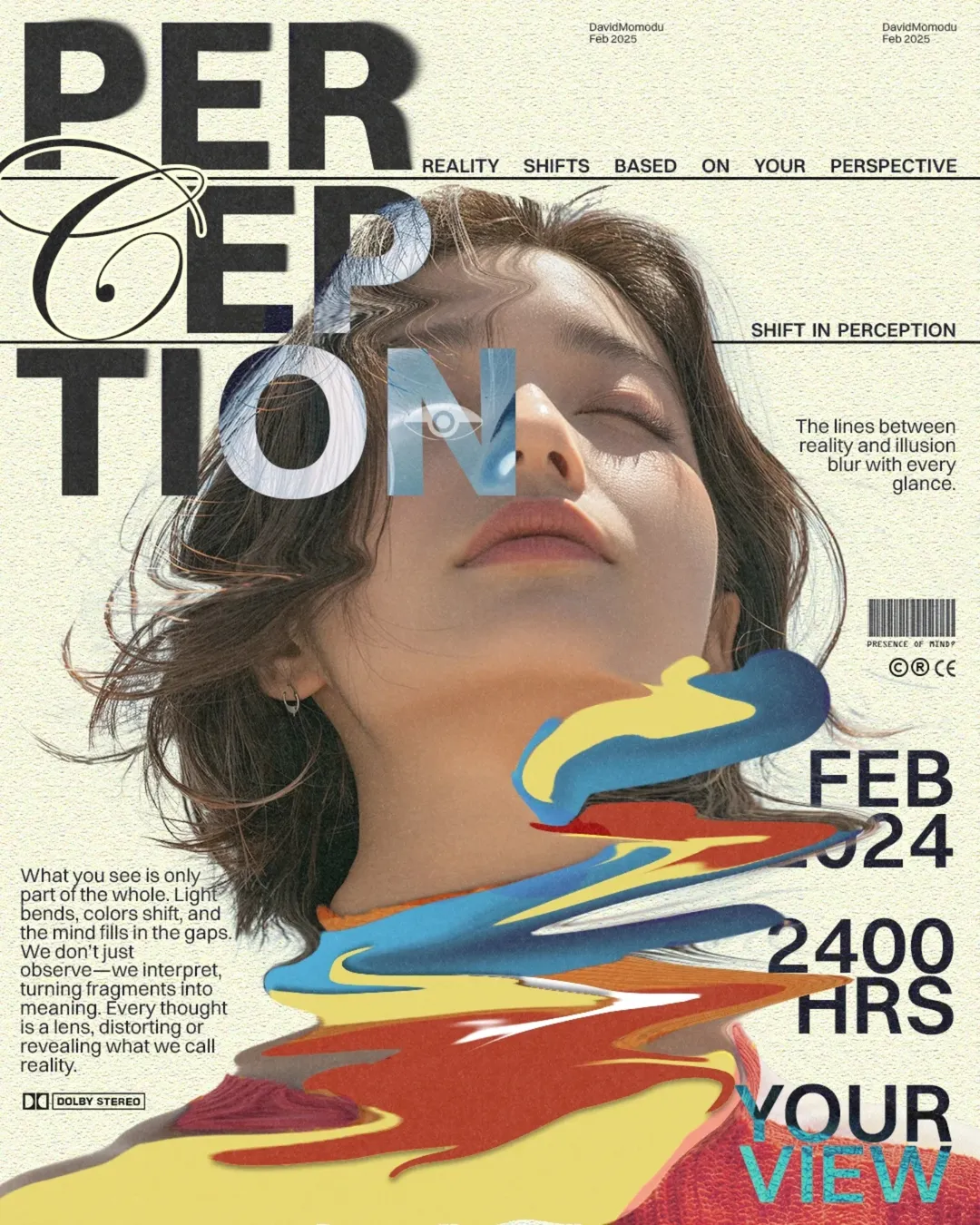
'Presence of Mind – Episode 30', 2025
Is there a type choice you've made that you're still thinking about, one that felt exactly right or completely wrong?
I think ‘Threshold of Sacrifice’ is the one where I think I made the right typography choice, the font really paired well with what I was trying to achieve with the image’s composition.
After compositing the scene in Photoshop and building parts of it in Blender, I realized the typography had to carry the same emotional weight as the image itself. The piece is essentially about the tension between higher forces, good and evil, sacrifice and consequence, expressed through this quiet chess game between two opposing figures. Thus the exact position of the pieces on the board reveals there’s the sacrifice to be made that essentially tips the scales. A lot of the fonts I tested felt disconnected from that atmosphere. This particular typeface felt like “ IT”. It had this elegance and authority to it, which matched the gravity of the scene.
You use blur and distortion in ways that feel intentional rather than decorative. What are you trying to do with them?
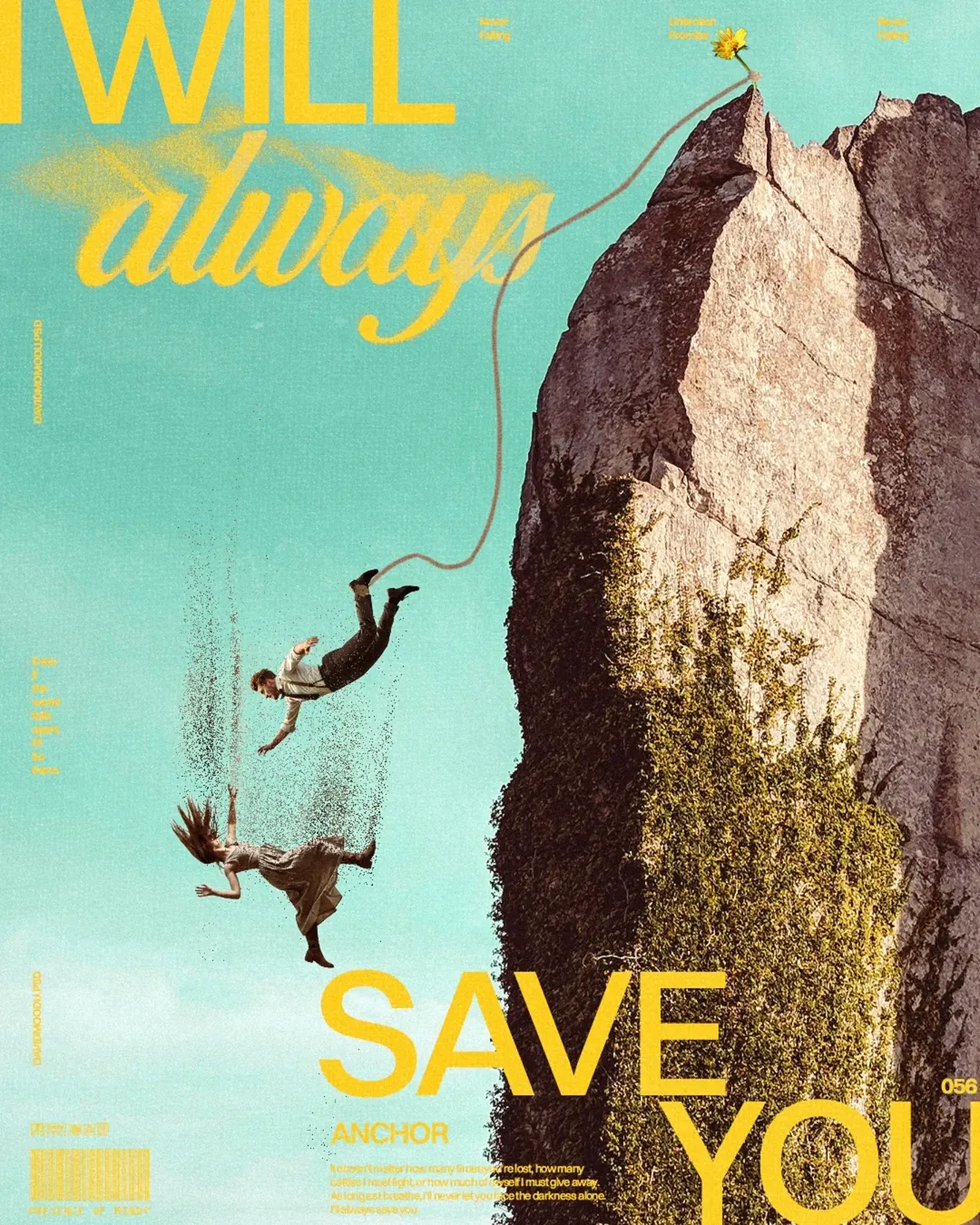
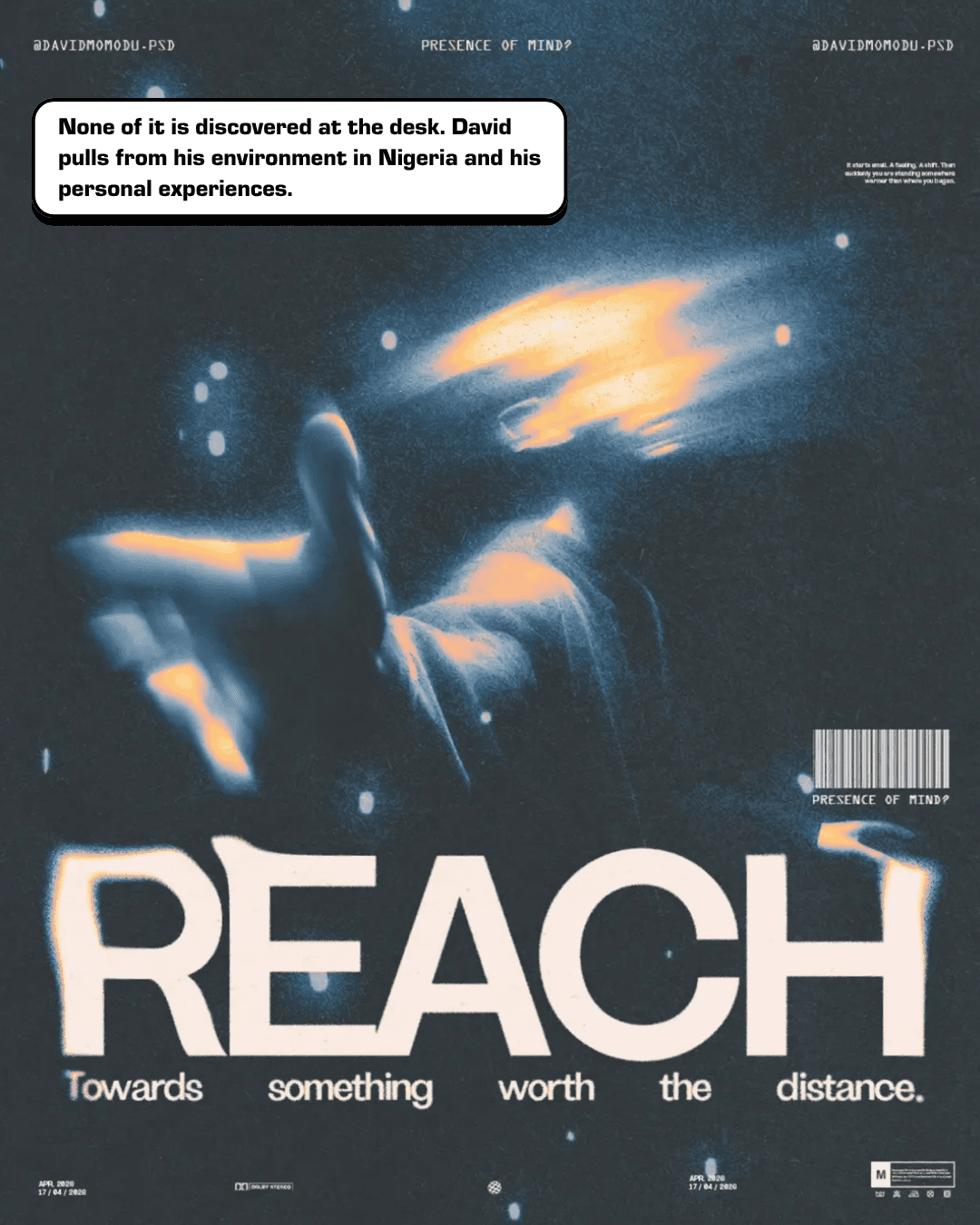
What I’m trying to do depends largely on the visuals of the poster. I’m sure I’ve used it in several posters but the one coming to my head is “I’ll always save you”. I distorted the text to create a sense of separation or dispersion to fit the scene.
How do you actually achieve your light effects technically? Walk us through what that looks like in practice.
It’s usually a combination of blending modes, special brushes, overlays, and light flares. I usually mix and combine these techniques to achieve different results depending on the poster.
Your work carries a lot of language about ascension, not staying grounded, reaching toward something. Where does that come from in you personally?
A lot of it comes from never wanting to feel static mentally or creatively. I’m drawn to ideas of ascension, legacy, power, and becoming because I always feel like I’m chasing a higher version of myself. The work reflects that mindset.
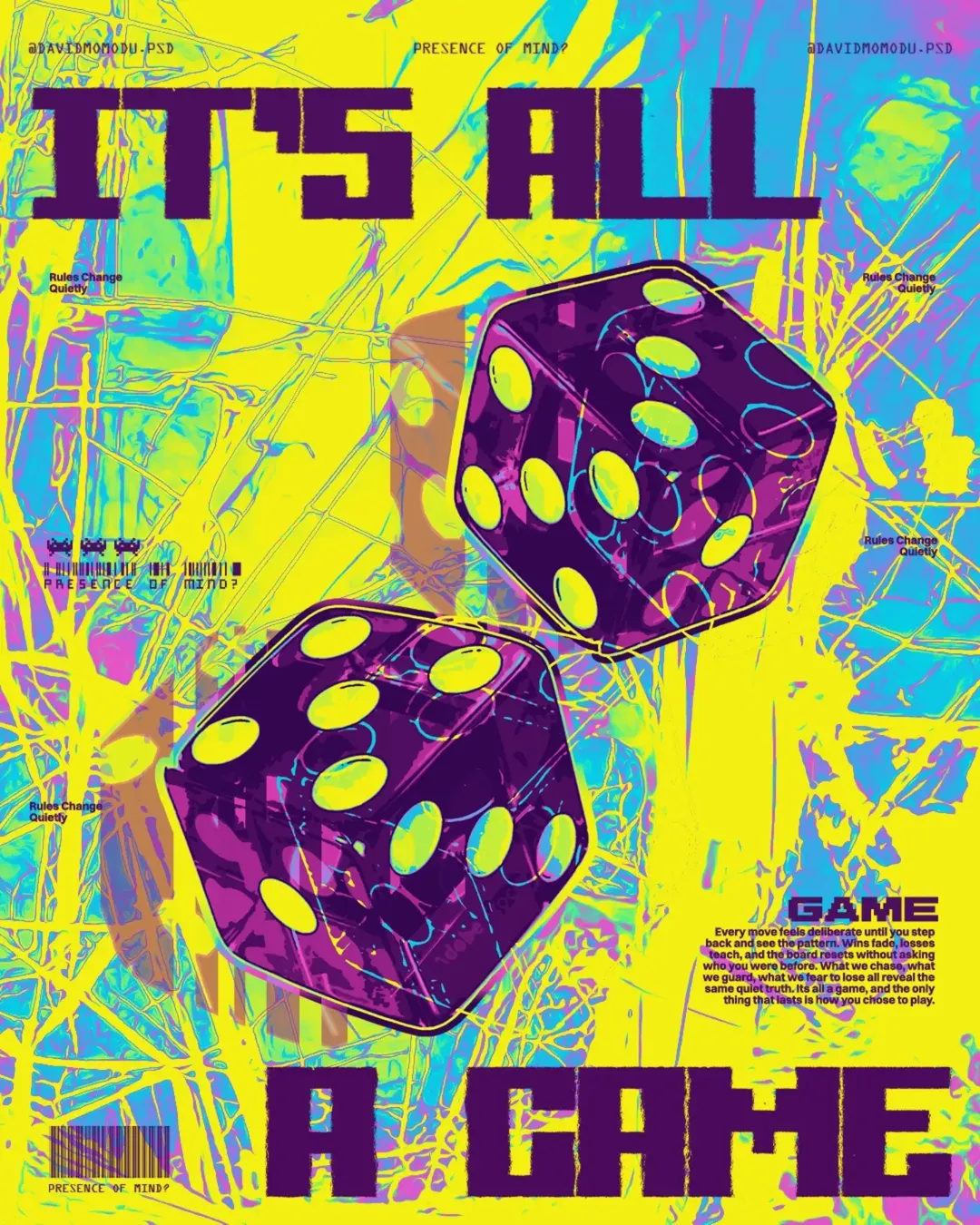
There's a recurring idea in your pieces about choosing not to play a game. What's the game you're talking about?
Politics. I think we all know politics is a dirty game, even the few who want to make a positive change have to play dirty in order to be in a position to make that positive change. That's just my opinion.
Do you think of your work as optimistic? It reads that way, but I want to hear how you'd describe it.
My work is a reflection of my life, my beliefs, and how I think so I just sort of depend, I guess.
Are there philosophers, writers, or thinkers whose ideas live inside your work even if their names never appear in it?
I get a lot of quotes from motivational and stoic videos. The Bible, too. A lot of the writing for the personal posters comes from there. For the abstract posters, I just sort of try to tell a story as it relates to the poster. “Gone from me ” is a good example.
Where did the idea for the Presence of Mind poster series come from? Was there a specific moment or was it a slow build?
The idea was sorta sudden in my final year of college. At the time, I didn’t know what I was trying to achieve, but now I do.
What is the series trying to do that a single poster can't?
I’m just trying to spread my truth. Each poster is a reflection of my life experiences. Thus I try to keep my mind present in each moment so as not to miss it.
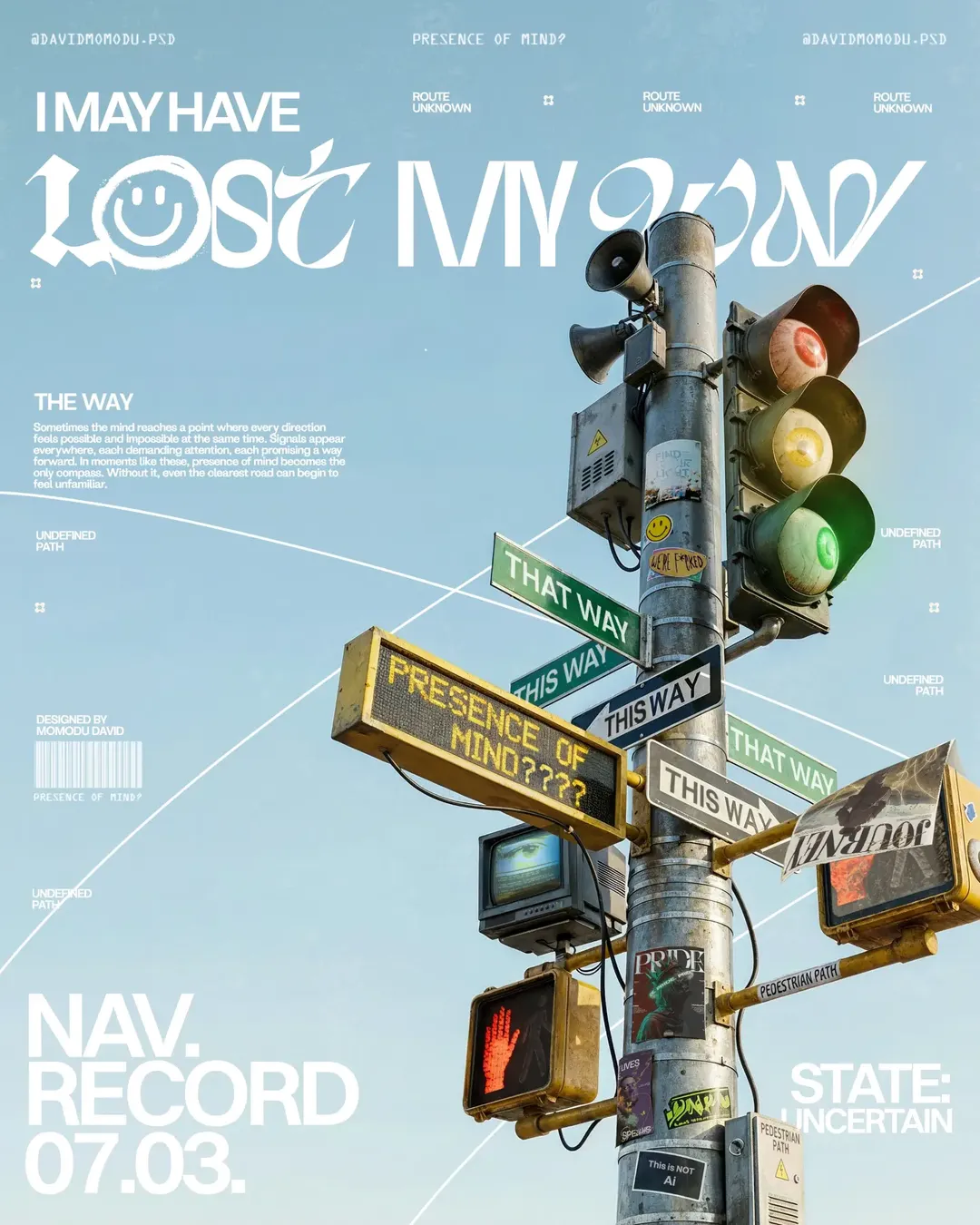
'Presence of Mind || Ep 072', 2026
You said branding keeps you disciplined and posters keep you curious. Has there ever been a project where those two sides of you genuinely disagreed on what the work should be?
Yes. It happens when the poster side wants to be instinctive and emotional, but branding starts asking for structure and consistency. I usually resolve it by stripping the idea down until it works for both without losing its impact.
You said everything in a finished piece appears exactly as you imagined it before you opened the software. Most designers talk about discovery as the best part of making. What do you get from translation that you wouldn't get from discovery?
Honestly, it’s just easier and saves more time. That's the key thing.
What would it mean for your work to be successful, on your own terms?
I had someone DM me once that one of my pieces and write up had saved him from suicide. That moment, I felt a great relief. Seems like I just got an idea for a poster. That is what I consider success: when my poster speaks to someone even if it’s just 1 person.
Is there something you want people to take with them after seeing your work, something specific?
I want people to see it and think ‘woah this has weight and meaning’, not just another poster they see online.
What question do you wish someone would ask you about your work that nobody has yet?
I think I’d want someone to ask what I’m actually trying to preserve through the work emotionally, not just what inspires it visually. A lot of my pieces are really about memory, ambition, identity, and the fear of becoming stagnant, even when they look powerful on the surface.
You built a design career without a clear roadmap, without reliable infrastructure, largely through self-teaching and online communities. Looking back, did any of those constraints push you somewhere creatively that easier access might not have?
Absolutely. A lot of my creative identity came from limitation rather than comfort. Not having a clear roadmap or reliable access forced me to become resourceful and deeply intentional with my work. I learned through experimentation, online communities, and observation rather than formal structure, which made me develop instincts before rules. Those constraints pushed me to focus more on atmosphere, emotion, and storytelling, and I honestly think that struggle helped shape a voice that feels genuinely personal to me.
Articles
Magazine
Submissions