digital
Video Jockey
Motion Design

Isabel Lauren Loewe
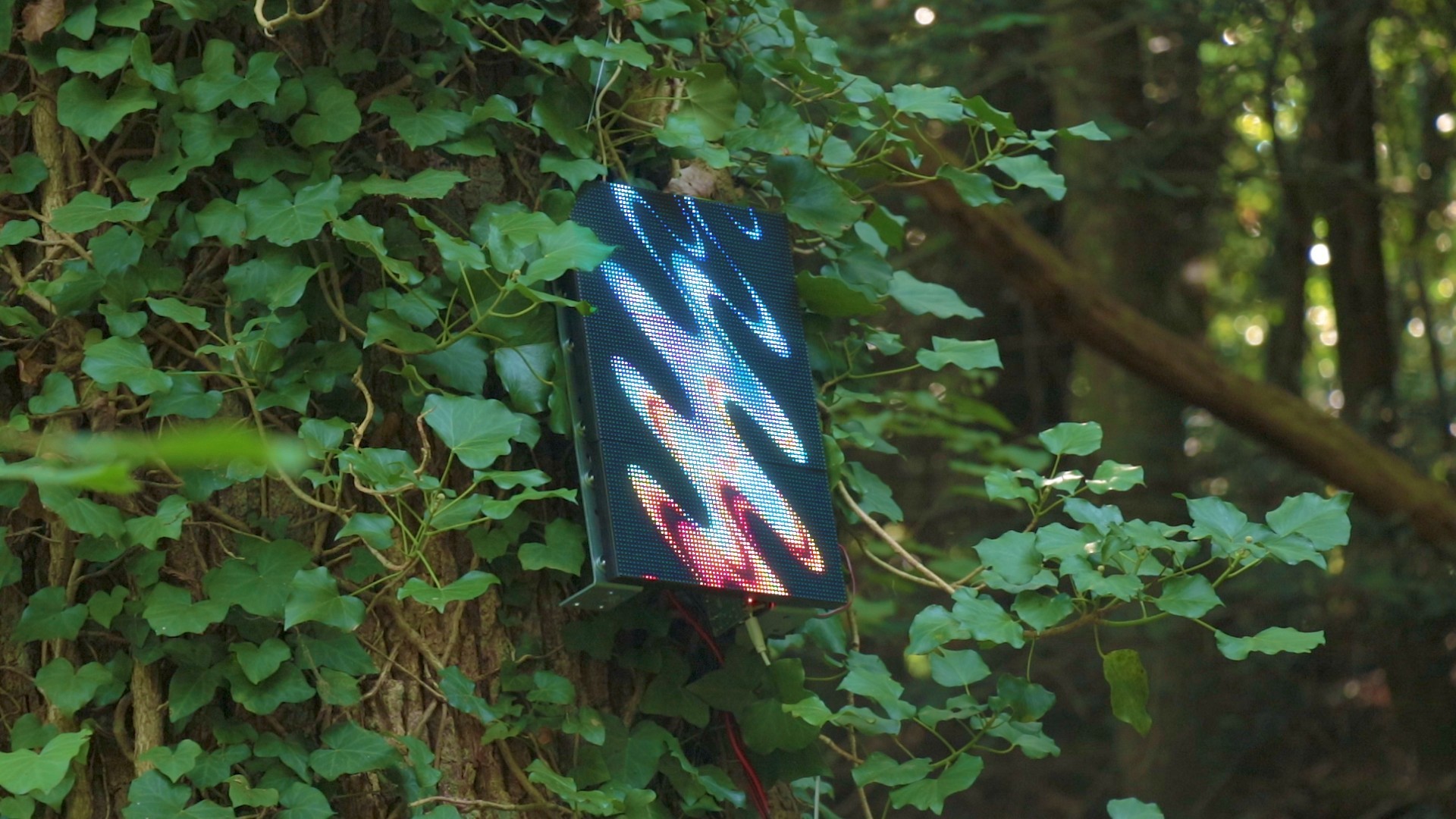
Untitled, 2025
Lorry Barbedette is an art director and motion designer whose work exists at the intersection of digital imagery and physical space. He creates 3D motion designs specifically for LED panels, a medium most often associated with urban infrastructure and commercial messaging. Instead of keeping those screens in cities or on devices, he installs them in wooded, natural environments, where their presence feels immediately out of context.
Trained at Gobelins, the School of Visual Arts, Barbedette’s practice has been shaped by working across France, Canada, and now Brussels, where he is currently based. His background spans motion design, visual storytelling, and live visuals, with a focus on blending animation and performance. Movement, rhythm, and experimentation sit at the core of his process, informing how his visuals unfold over time rather than existing as static outcomes.
Across his career, Barbedette’s work reflects an ongoing negotiation with visibility, validation, and the systems that circulate digital art. Early frustrations with social platforms pushed him to reconsider what gives work value and where meaning forms. That questioning runs through his LED installations, his shift toward more conceptual experimentation, and his growing interest in sharing process rather than protecting it. Rather than positioning his work as a critique or spectacle, he approaches it as a personal reconciliation with technology, using unusual contexts and open gestures to create space for reflection. In the conversation that follows, Barbedette traces this evolution in his own words, moving from discouragement to independence, from technique to intention, and from solitary experimentation to a more generous, outward-facing practice.
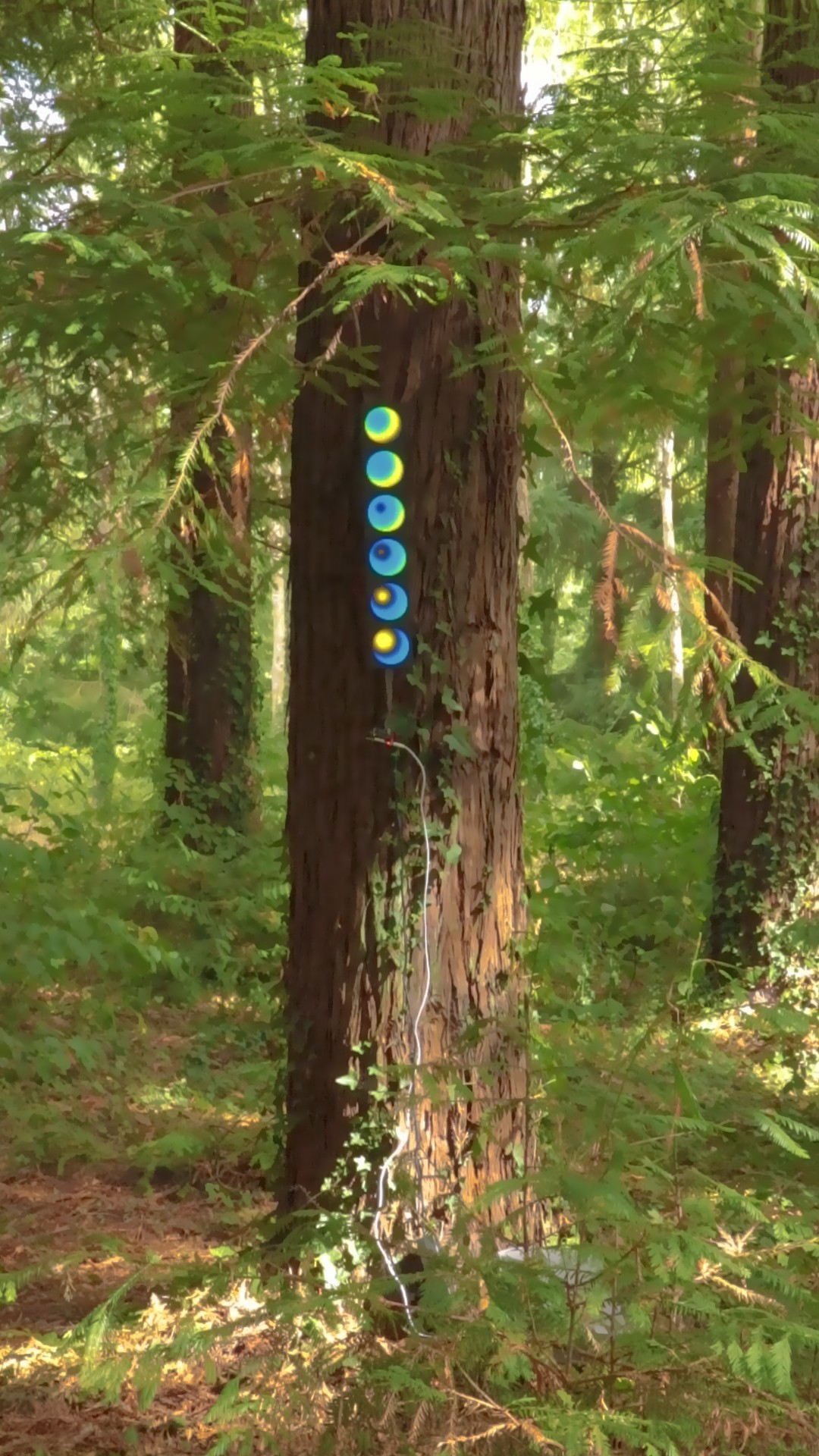
Untitled, 2025
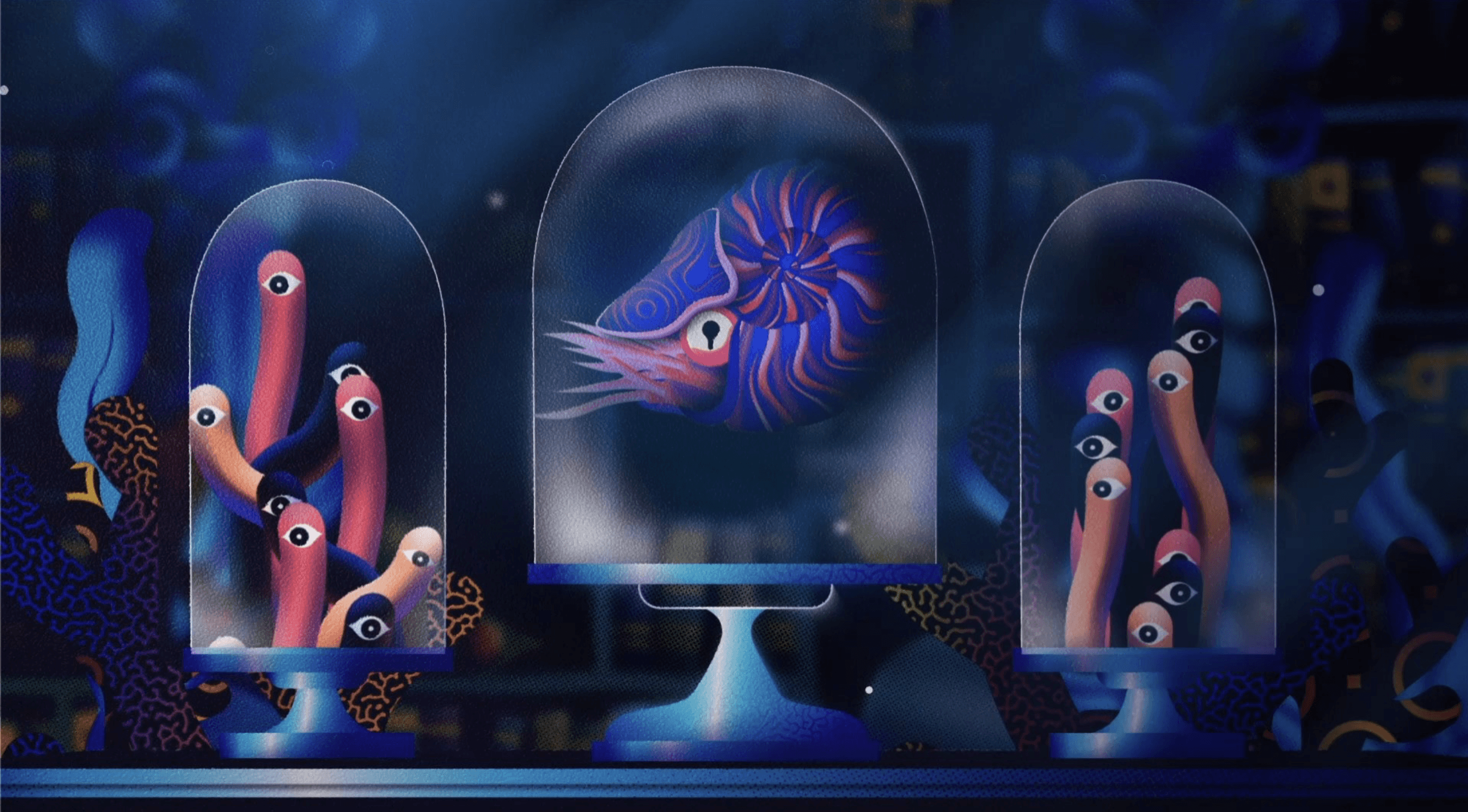
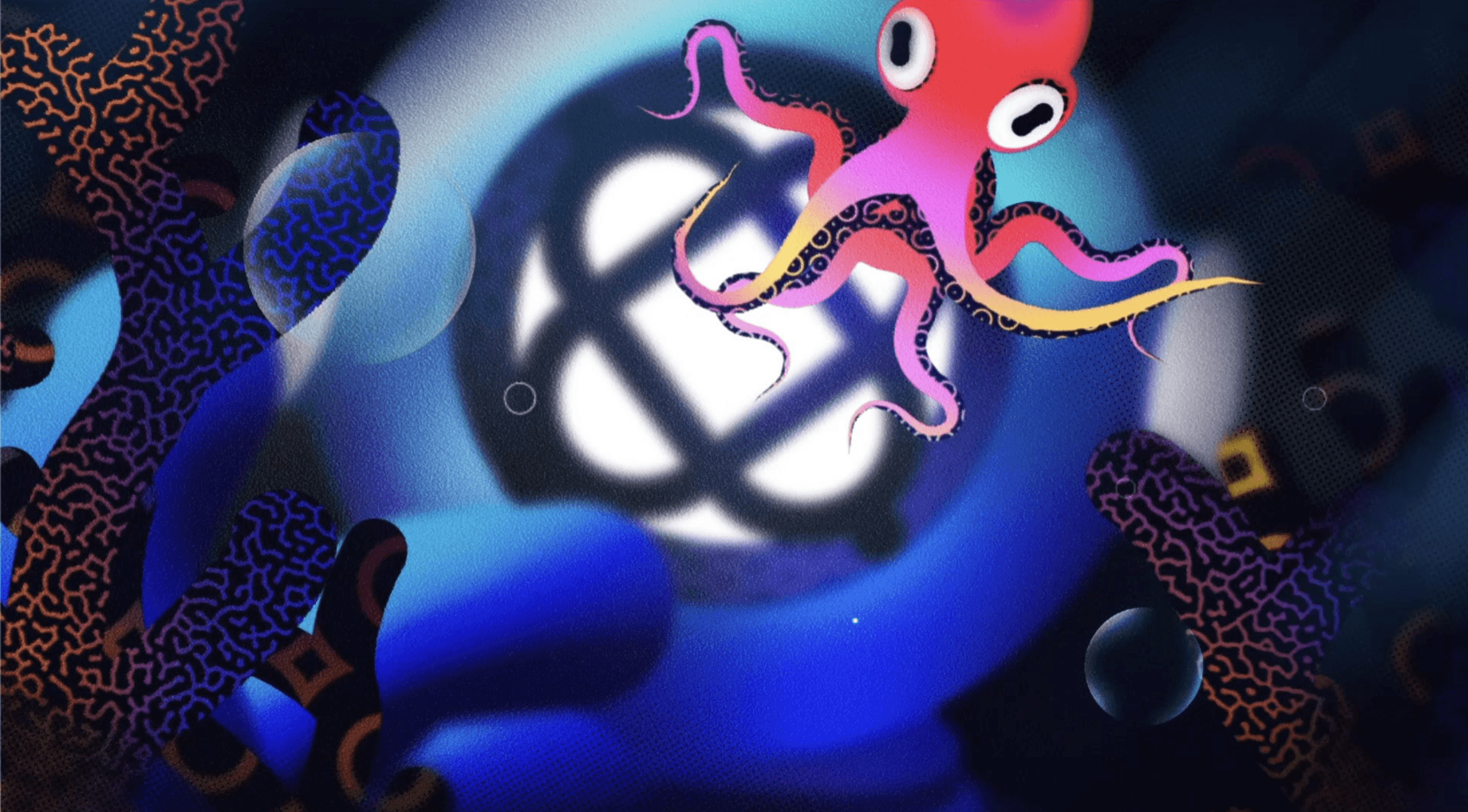
You’ve spoken openly about posting Underwater Curiosity and feeling discouraged by the lack of response at the time. How did that period of indifference affect your confidence and the way you valued your own work?
My feeling of discouragement was more related to the fact that I felt really overwhelmed by the evolution of social media. About ten years ago, when I started posting on social media, the rules were very different.
We simply posted the results of our creations with modesty. Our Instagram profile feed was our portfolio. Today, with the reels feature introduced by TikTok, Instagram has become more of a communication tool for our portfolio. Nowadays, when we exhibit a piece of work, most internet users are more interested in “how to make it” than “why we created it.”
With the current high level of competition, you have to use marketing techniques to stand out from the crowd. You either have to offer something to others or put yourself out there in your creative environment. Modesty is no longer the norm; quite the contrary. It's something that took me a while to accept. Being a rather reserved person, offering and putting myself out there is not always comfortable, and it favors extroverts who speak loudly.
When the project was later recognized by Behance, did it change how you saw the work itself, or did it mostly change how you understood the systems that circulate and validate art?
I would say that it hasn't really changed my perception of the work itself. This project already had meaning for me when I created it, regardless of how it was received.
However, the recognition by Behance made me realize how much the perceived value of a work can change when it is shared on a recognized platform. Above all, it made me more aware of the often arbitrary gap between the intrinsic value of an artistic endeavor and the mechanisms that make it visible, credible, or “validated” in the eyes of others.
Your LED panels are often placed deep in nature, far from where digital work is usually encountered. What drew you to remove the work from screens and cities and place it in the woods instead?
It is precisely because they do not belong in this environment that they arouse curiosity. Their presence, at odds with their surroundings, creates a kind of visual and conceptual rupture. This deliberately illogical positioning questions our relationship with digital technology, the way it imposes itself on our everyday spaces, to the point of becoming omnipresent, sometimes invisible, so accustomed are we to it. By removing them from their “natural” setting, these elements force us to take a step back and question the place that digital technology occupies in our lives today.
I grew up in Brittany, France, in very natural environments where the landscape was part of everyday life and shaped the way I looked at the world. Designing this type of installation is also a way of returning to these places, of rediscovering them differently with the perspective I have today. It is a way of connecting my emotional relationship with the land and my current practice, creating a bridge between the natural and the artificial.
“Ultimately, giving unconditionally proves to be much more effective if you want to pique the interest of others. It is through a generous and authentic gesture that you truly capture attention.”
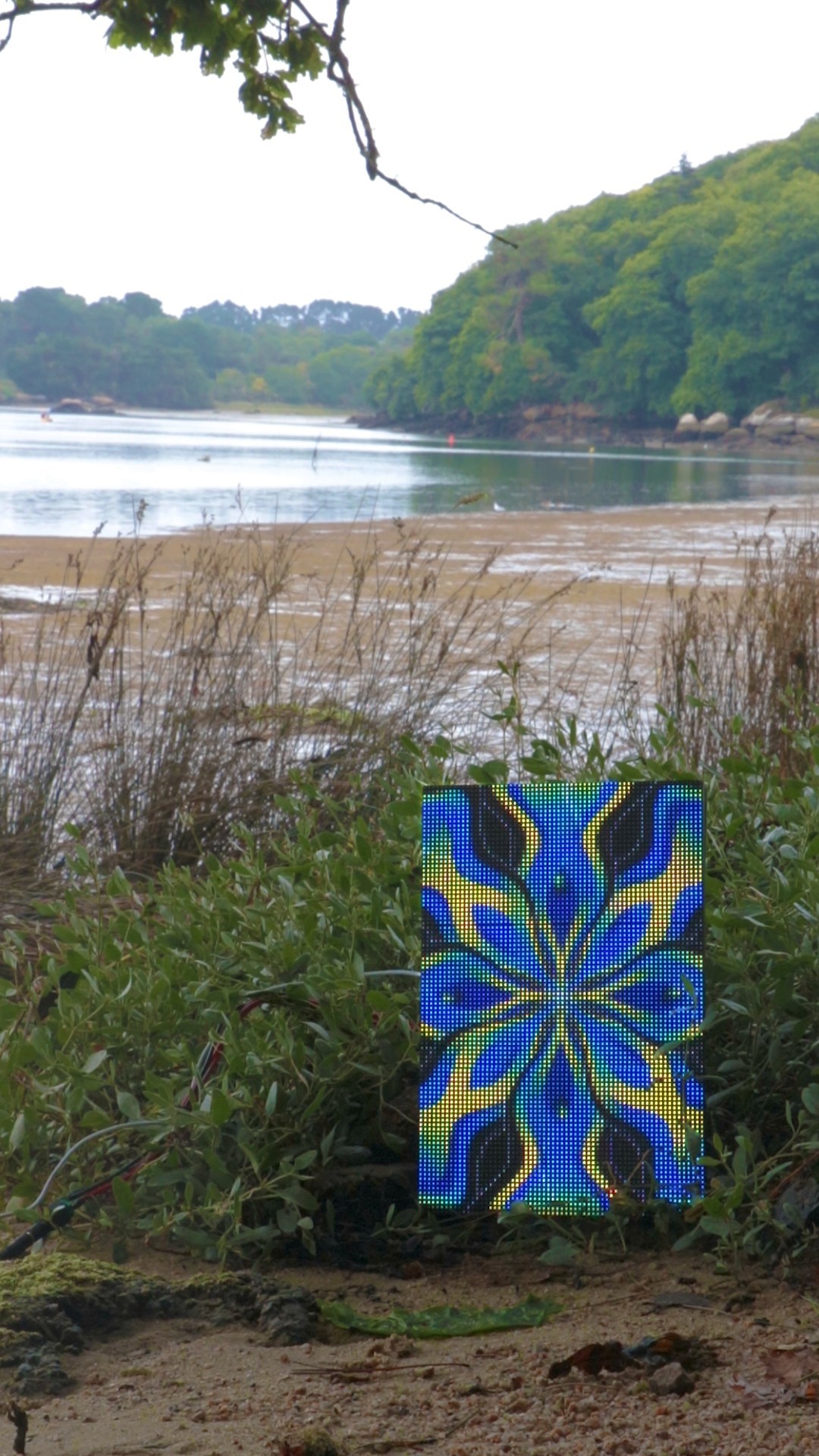
Untitled, 2025
Early on, you imagined using LED panels as absurd road signs in natural landscapes. What questions about technology or authority were you trying to raise with that idea?
This type of billboard is often perceived as a relatively aggressive form of communication. We have learned to accept them in our urban environments, where they are part of the everyday landscape.
I have always been attracted to the hypnotic nature of this medium, its ability to capture the eye and impose a visual rhythm. But I also recognize that we tend to overuse them, saturating our daily lives with aggressive lights and omnipresent messages. Installing this type of sign in an environment that is not conducive to it may allow us to question its real usefulness in our society. Can an object designed to impose a message retain its impact when placed outside its usual context? And what is its hold on our living spaces?
You work across motion design, art direction, and VJing. How did learning VJ techniques change the way you think about movement and rhythm in your personal work?
In my opinion, VJing is one of the most organic and experimental forms of all the disciplines offered by digital creation. It's a real sandbox where improvisation makes creation very stimulating. With VJing, shapes, colors, and textures accompany the rhythm of the music in a combination that can create new forms of emotion. Its chaotic aspect does me a lot of good, especially when you're used to working on highly codified and segmented motion design projects for the corporate world.
When someone encounters your work online for the first time, what do you hope they notice before anything else?
Above all, I hope he senses the intention and freedom behind each project, which sometimes surpasses me. Rather than focusing solely on technique or aesthetics, I would like him to perceive the experimentation, curiosity, and pleasure of creating that underlie each achievement. I would like him to notice the uniqueness of the approach and be invited to explore the work at his own pace, according to his own perception.
You’ve begun writing a tutorial to help non-programmers build their own LED installations. Why was it important for you to make this knowledge more accessible?
I learned most of what I know about my profession on the internet, from other enthusiasts who wanted to share their secrets. I thought that after 10 years of working for myself, it might be time for me to contribute something back. I believe knowledge is most powerful when it’s accessible to everyone.
I don’t come from a programming background, but curiosity led me beyond my comfort zone. I enjoy exploring new practices that broaden my perspective and reconnect me with creativity beyond the screen. I'm trying to discover new activities that take my mind off the screen. Seeing the enthusiasm that other creative people had when they discovered my work made me want to share that pleasure with them, without them having to waste too much time on the more tedious aspects of designing this kind of installation
“This frustrating period taught me above all to shift my perspective. It helped me understand that I didn't need to define myself through the validation of others.”
Looking back, do you see a connection between your earlier frustration with visibility and your current desire to share process and tools with others?
This frustrating period taught me above all to shift my perspective. It helped me understand that I didn't need to define myself through the validation of others.
For a long time, I kept the techniques and research that had taken me so much time and attention to myself, as if protecting something fragile. Today, I prefer to think of sharing differently: no longer as an expectation of recognition, but as an open gesture to allow what I have learned and created to circulate.
Ultimately, giving unconditionally proves to be much more effective if you want to pique the interest of others. It is through a generous and authentic gesture that you truly capture attention.
Right now, do you think of your work as a critique of digital culture, a reconciliation with it, or simply a way of carving out a more personal relationship to technology?
For me, it would be more of a reconciliation with digital culture than a direct criticism. In recent years, I've had a lot of trouble motivating myself to create, even though creating remains something vital to me. This is the way I've found to escape. Embarking on slightly twisted projects that no one necessarily understands, without having to answer to a client, allows me to create things just for the pleasure of designing something personal to me.
Technology is now part of our daily lives, influencing our perceptions, interactions, and spaces, sometimes in an intrusive way. My approach is to take a step back, reinterpret it, and stage it in unusual contexts to subtly question our relationship with it.
Rather than criticizing it directly, my work seeks to open up a space for reflection, where the viewer can interact, interpret, and experience technology differently, while leaving room for their own perception.
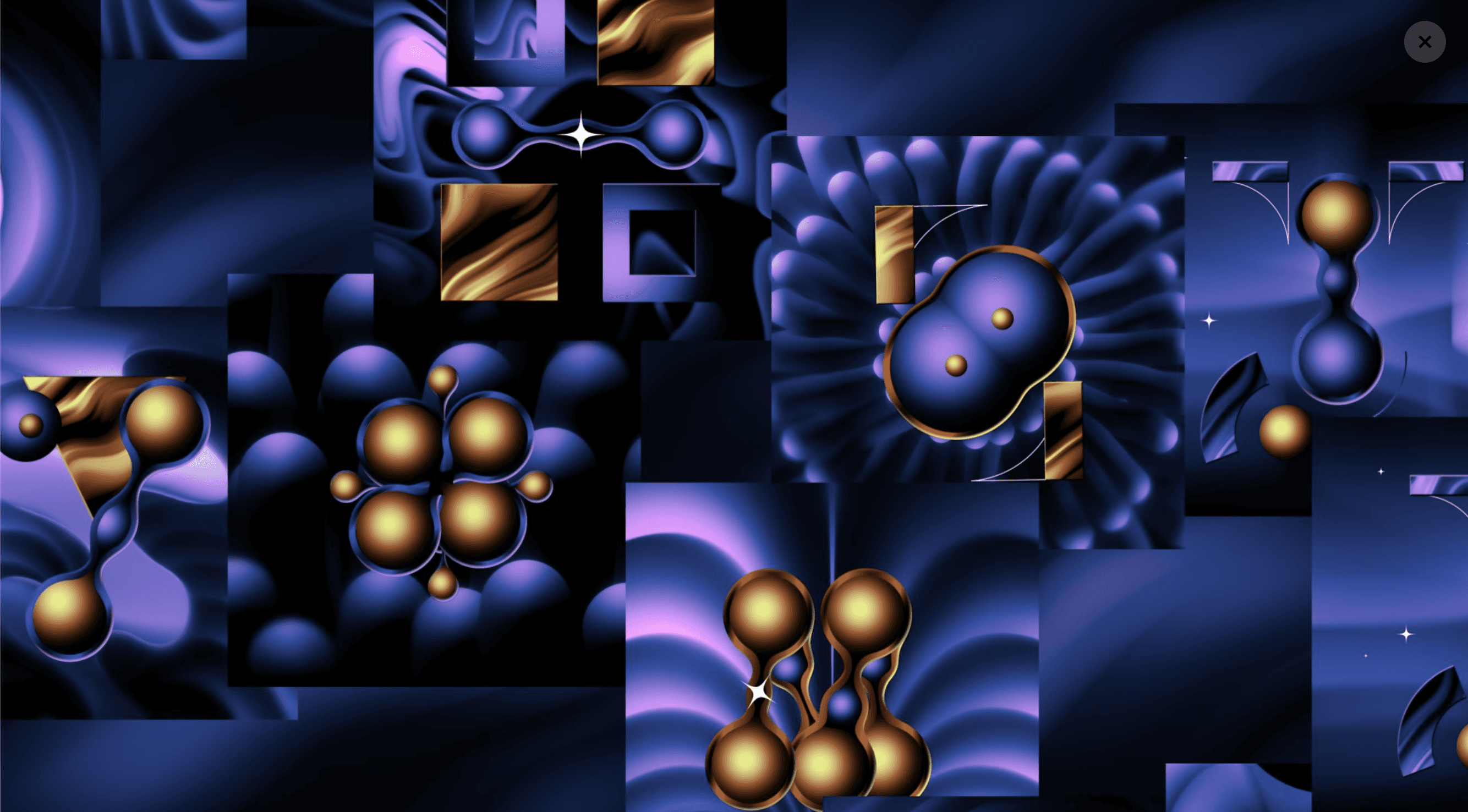
Your designs are very hypnotic with a specific color palette. How did you develop this style?
With a lot of experimentation and many late nights spent trying out combinations of colors, shapes, and textures that weren't always convincing, I try to maintain consistency between my different visuals. This prevents me from getting lost in perfectionism and allows me to focus on the essentials.
Looking back, do you see a connection between your earlier frustration with visibility and your current desire to share process and tools with others?
This frustrating period taught me above all to shift my perspective. It helped me understand that I didn't need to define myself through the validation of others.
For a long time, I kept the techniques and research that had taken me so much time and attention to myself, as if protecting something fragile. Today, I prefer to think of sharing differently: no longer as an expectation of recognition, but as an open gesture to allow what I have learned and created to circulate.
Ultimately, giving unconditionally proves to be much more effective if you want to pique the interest of others. It is through a generous and authentic gesture that you truly capture attention.
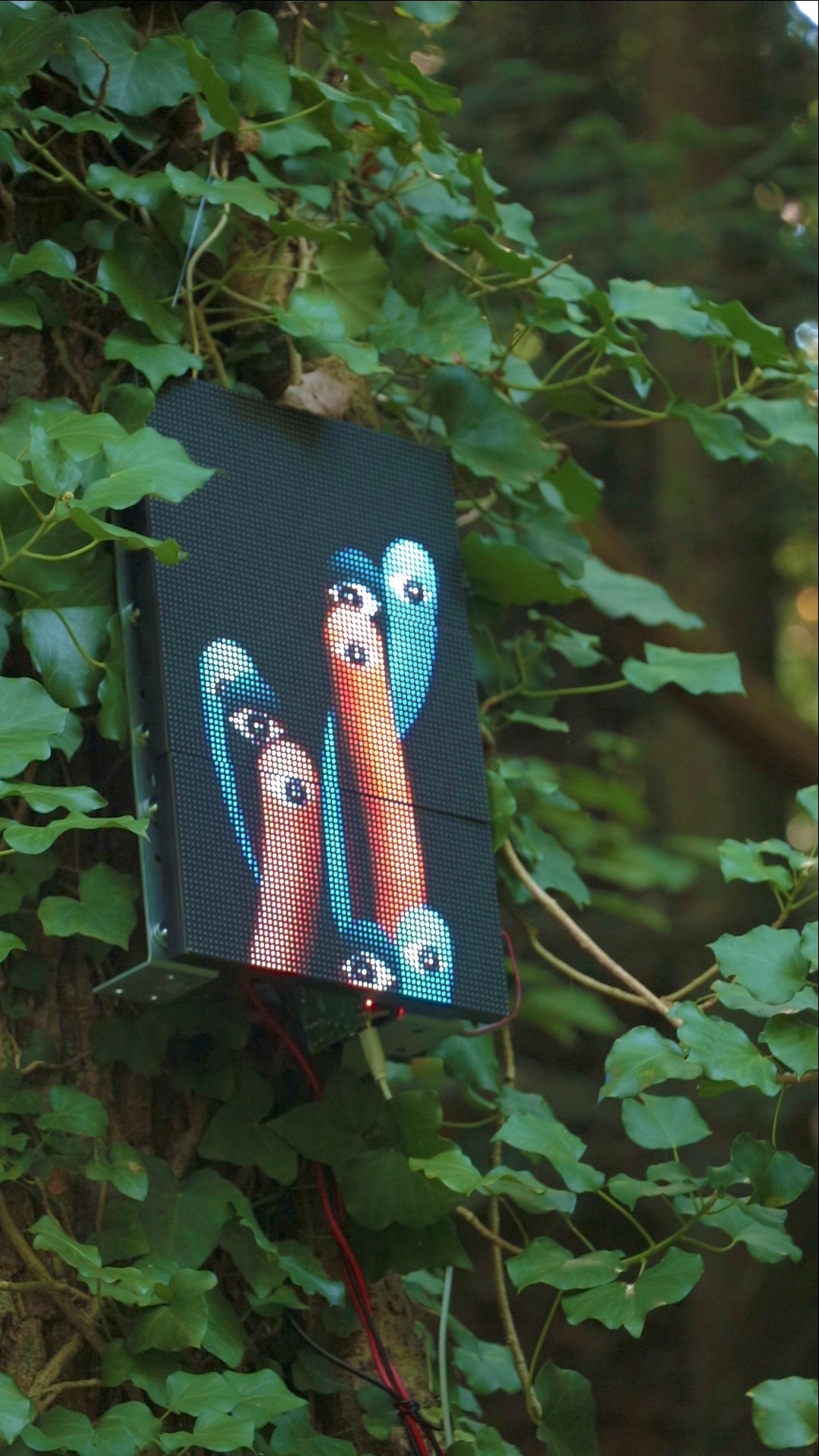
Untitled, 2025
Right now, do you think of your work as a critique of digital culture, a reconciliation with it, or simply a way of carving out a more personal relationship to technology?
For me, it would be more of a reconciliation with digital culture than a direct criticism. In recent years, I've had a lot of trouble motivating myself to create, even though creating remains something vital to me. This is the way I've found to escape. Embarking on slightly twisted projects that no one necessarily understands, without having to answer to a client, allows me to create things just for the pleasure of designing something personal to me.
Technology is now part of our daily lives, influencing our perceptions, interactions, and spaces, sometimes in an intrusive way. My approach is to take a step back, reinterpret it, and stage it in unusual contexts to subtly question our relationship with it.
Rather than criticizing it directly, my work seeks to open up a space for reflection, where the viewer can interact, interpret, and experience technology differently, while leaving room for their own perception.
Your designs are very hypnotic with a specific color palette. How did you develop this style?
With a lot of experimentation and many late nights spent trying out combinations of colors, shapes, and textures that weren't always convincing, I try to maintain consistency between my different visuals. This prevents me from getting lost in perfectionism and allows me to focus on the essentials.
How did you first start working with LED panels, and what drew you to that medium over more traditional screens?
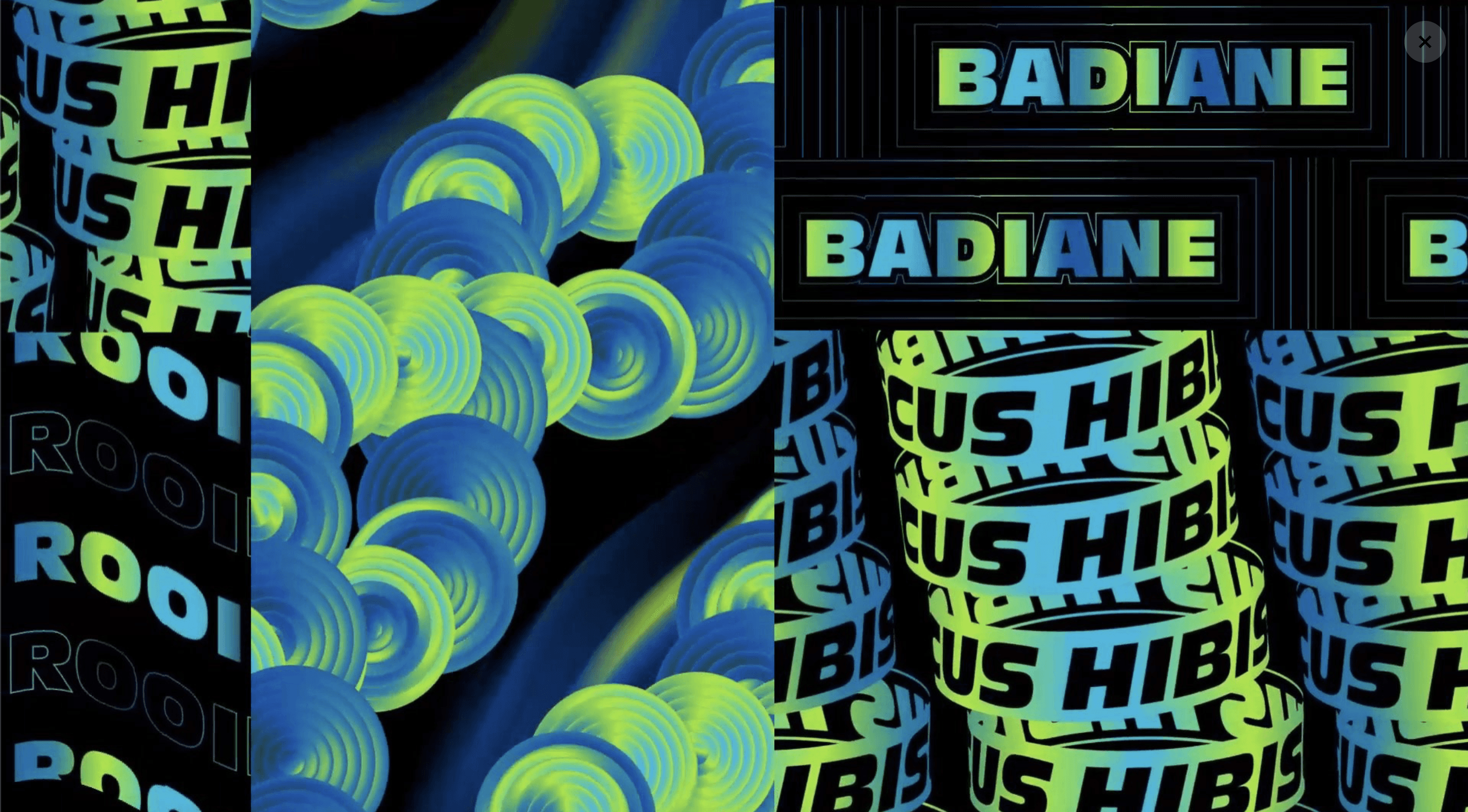
A few years ago, a TikTok video caught my attention. It was a humorous critique of pharmacy signs in France. These are large green crosses that display very psychedelic visuals. The video showed the visuals of the cross in rhythm to hardcore techno music, and the result was really convincing! A trend was even created as a result.
I then researched this technology and found that it had a lot of potential for fun in terms of repurposing. I also really liked its minimalist pixelated aesthetic and its design, which is intended for outdoor use.
Over time, how has your approach to these projects changed, technically or creatively?
My work has shifted from a practice focused on technique or performance to a more conceptual and reflective approach, giving viewers the freedom to create their own experience. Now, with each new personal project idea, I try to step away from my computer screen to create something that reconnects me to the real world.
Lately, I didn't expect so much interest in a personal creative experiment. It makes me extremely happy to see that my work arouses the curiosity of other people. I think I'll continue on Instagram to create things that make me happy, because obviously, it's this authenticity that appeals to me and to others.