Digital Painting
Drawing
Portraits

Isabel Lauren Loewe

Witching Hour, 2025
Nathan Hernandez doesn’t describe his work in emotional or symbolic terms. When asked about his approach, he keeps it simple. “I always tell people when it comes to my art, my mentality is like I’m more like a plumber,” he says. “You come to me with work, I do the work. I like doing my work.” It’s not a dismissal of care or skill, but a straightforward way of framing what he does: show up, solve the problem in front of him, and move on to the next one.
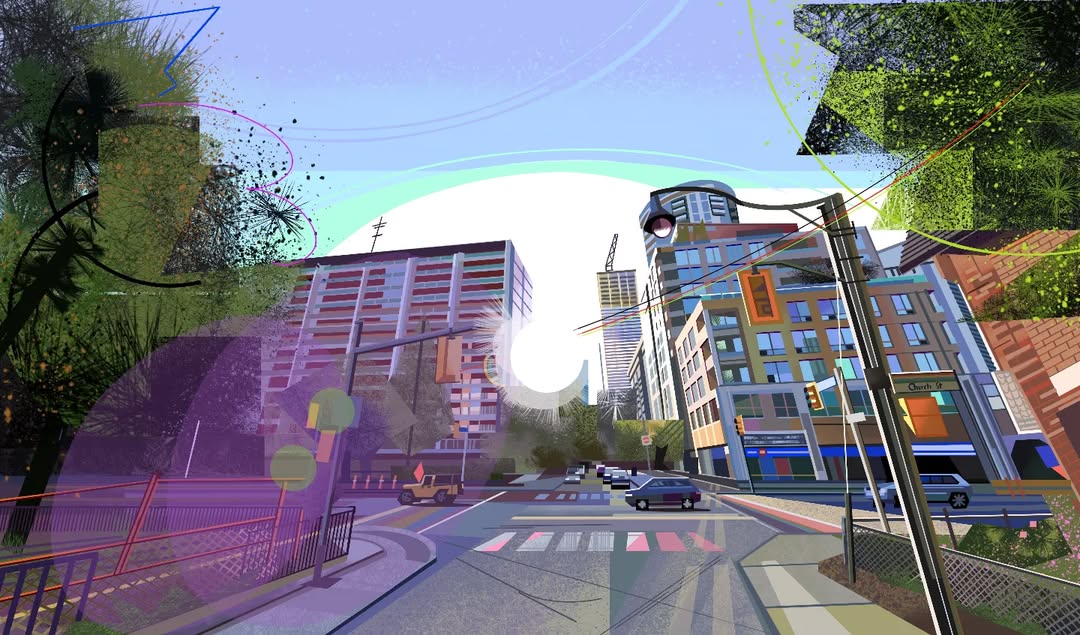
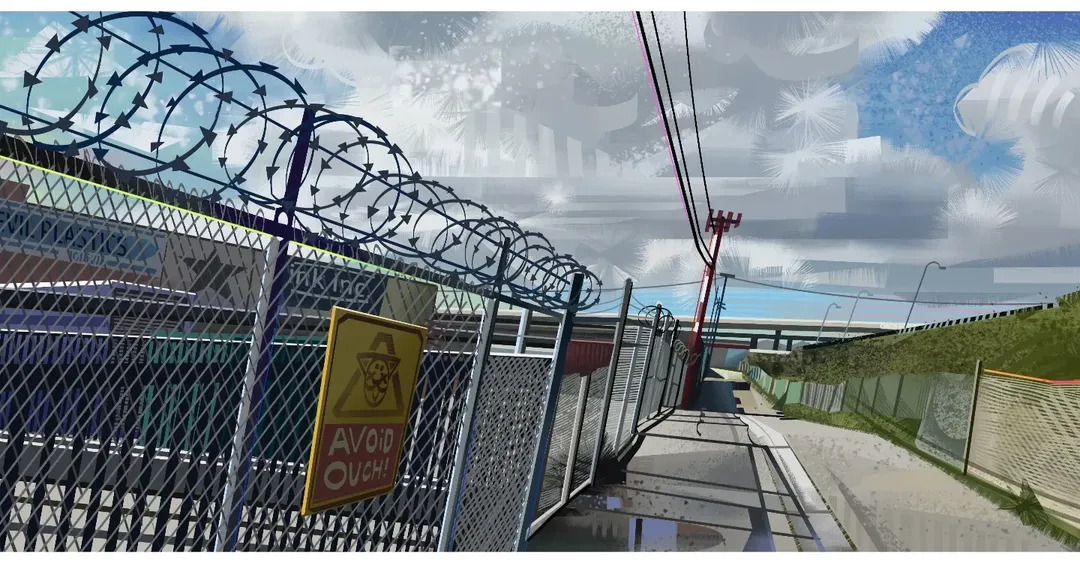
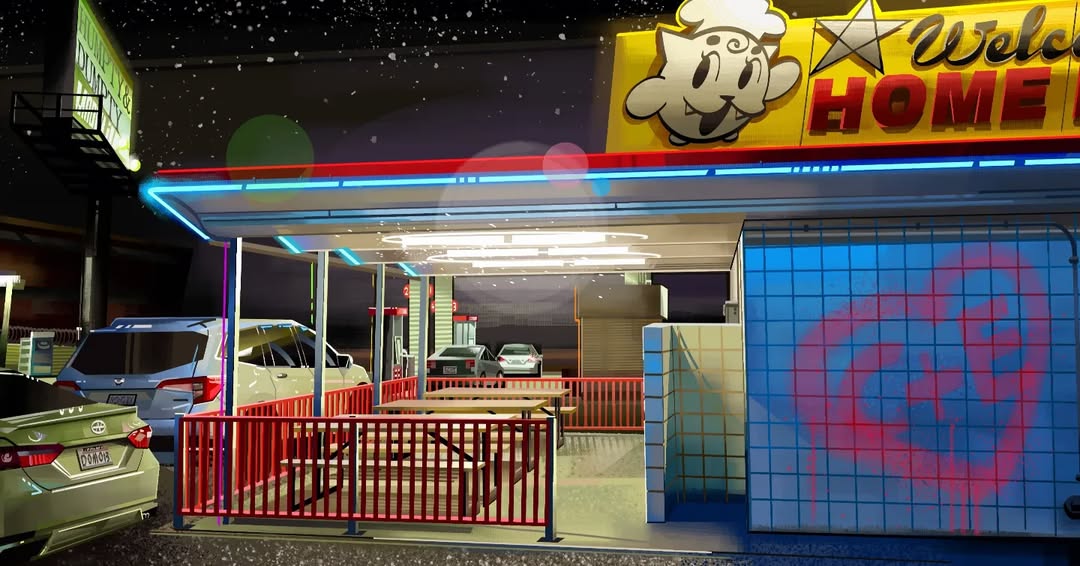
That mindset is visible in the work itself. Nathan’s illustrations are grounded in real places and familiar subjects, drawn from locations he’s physically been to and observed closely. They don’t aim to recreate reality exactly, but to clarify it. Forms are simplified, compositions are adjusted, and details are changed when it makes the image stronger. The result is work that feels steady and deliberate, shaped by decision-making rather than expression for its own sake.
Nathan began drawing seriously just after high school, teaching himself through reference, repetition, and constant practice. Early on, accuracy mattered more than style. Learning how to break scenes down, understand space, and work efficiently gave him a structure to rely on. Over time, that structure loosened. The process stayed practical, but the work became faster, clearer, and more confident, improving not because it was pushed to mean something, but because it was done consistently and well.
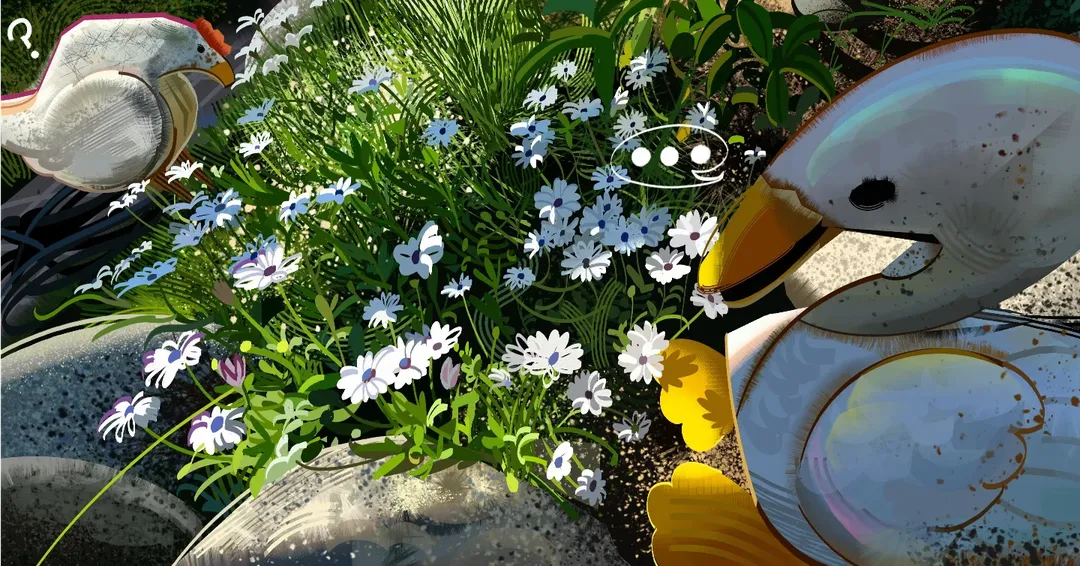
What Did You Say?, 2025
Your work feels very environment-driven, even when there are no characters present. When did you realize backgrounds were what you wanted to focus on?
I started drawing digitally right after my senior year of high school. That’s when I got my first digital tablet. I begged my sister to get me one, and she got it for me for my birthday. Before that, I was always drawing on paper. I was always the kid in class drawing in the margins, and I took art electives, but nothing too serious.
I never really thought about making art my job until maybe two years after high school. When I started looking into drawing professionally, I asked myself how people actually do that. The advice I kept seeing was that you need to be personable, able to network, and you need a good portfolio.
So I wanted to get better. I looked online for free resources, tutorials, anything I could find. I never went to art college. I went to online college for a semester and dropped out, but aside from that, everything I learned came from free online resources. One of the best pieces of advice I got was to draw real-life things. I believe in learning the rules so you can break them.
I wanted to draw fan art and anime stuff, but I knew that if I wanted to work on fundamentals, I had to draw from photos and study real environments. Drawing the places around me helped me understand texture, form, and lighting. That naturally led me toward environments and backgrounds.
A lot of your scenes feel lived-in like stores, streets, transit spaces. What draws you to everyday locations as subjects?
A lot of my work comes from places I’ve actually been to. When I take reference photos, it’s usually just locations around me. Honestly, a big part of it was that I was shy and didn’t want to photograph other people, so I would wait until places were empty.
Because of that, people tell me my work feels like a point of view, like you’re standing there. Some people describe it as liminal, which I think is a pretty accurate description. Since these are locations I’ve been to, I’m really just trying to capture what it felt like to be there.
You’re clearly experimenting with color in bold ways. How do you decide when to push color versus when to restrain it?
If I think something looks better in my art than it does in the reference, I’ll change it. I’ll change the lighting, increase the contrast, and darken the shadows. If something in the reference looks unappealing, I’ll leave it out.
I’m not too beholden to the reference beyond it looking realistic. The reference is there as a guide, but I’m more interested in making the image visually strong while still keeping it grounded.
"I always tell people when it comes to my art, my mentality is like I’m more like a plumber."
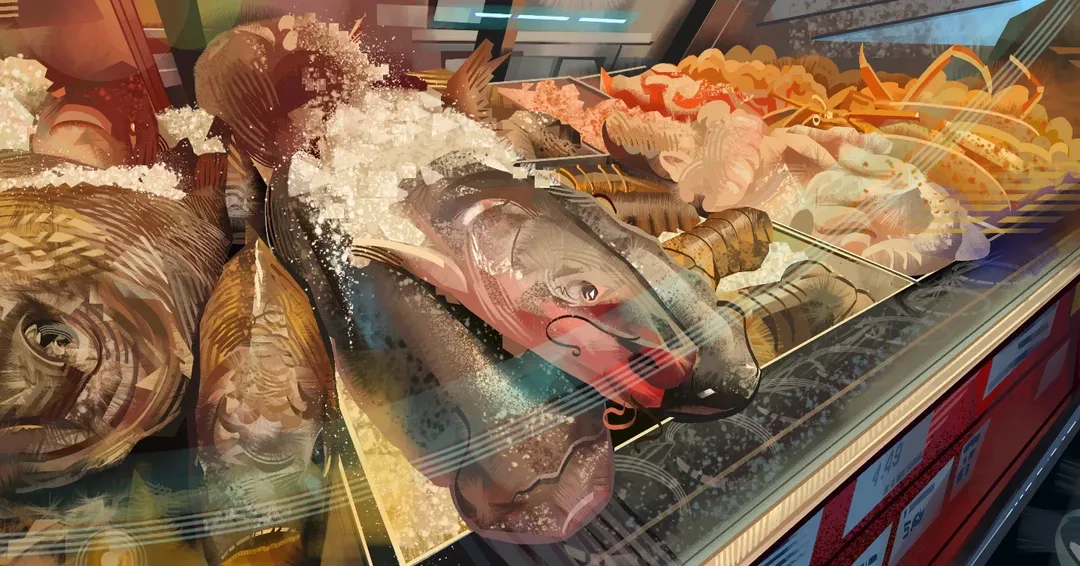
Blub, 2025
Many of your pieces sit somewhere between illustration and cinematic space. Do you think about camera angles or framing when you paint?
Absolutely. It makes my job easier later. I use a lot of references, and I don’t think referencing is a bad thing at all. If you want to learn how to draw something, you need to look at it.
When I’m out in public, I’ll stop and crouch down or move around to get the right angle for something like a lamp post. I usually take multiple reference photos and then decide later which composition is the most eye-catching.
I’m not very philosophical about it. If I see something and think it would make a good painting, I take a picture of it. A good reference is like good ingredients. If the ingredients are good, you’re already halfway there.
As someone aiming for visual development, how are you currently studying or teaching yourself the fundamentals behind environments?
I mostly taught myself using free resources online. I didn’t go to art school, so I learned by studying photos, watching tutorials, and looking at professional work.
I focused on fundamentals like shape, lighting, color, and texture. Drawing real environments helped me understand how things actually look. I believe you need to learn the rules before you can break them.
What’s the biggest difference you’ve noticed between making art for yourself and making art for commissions?
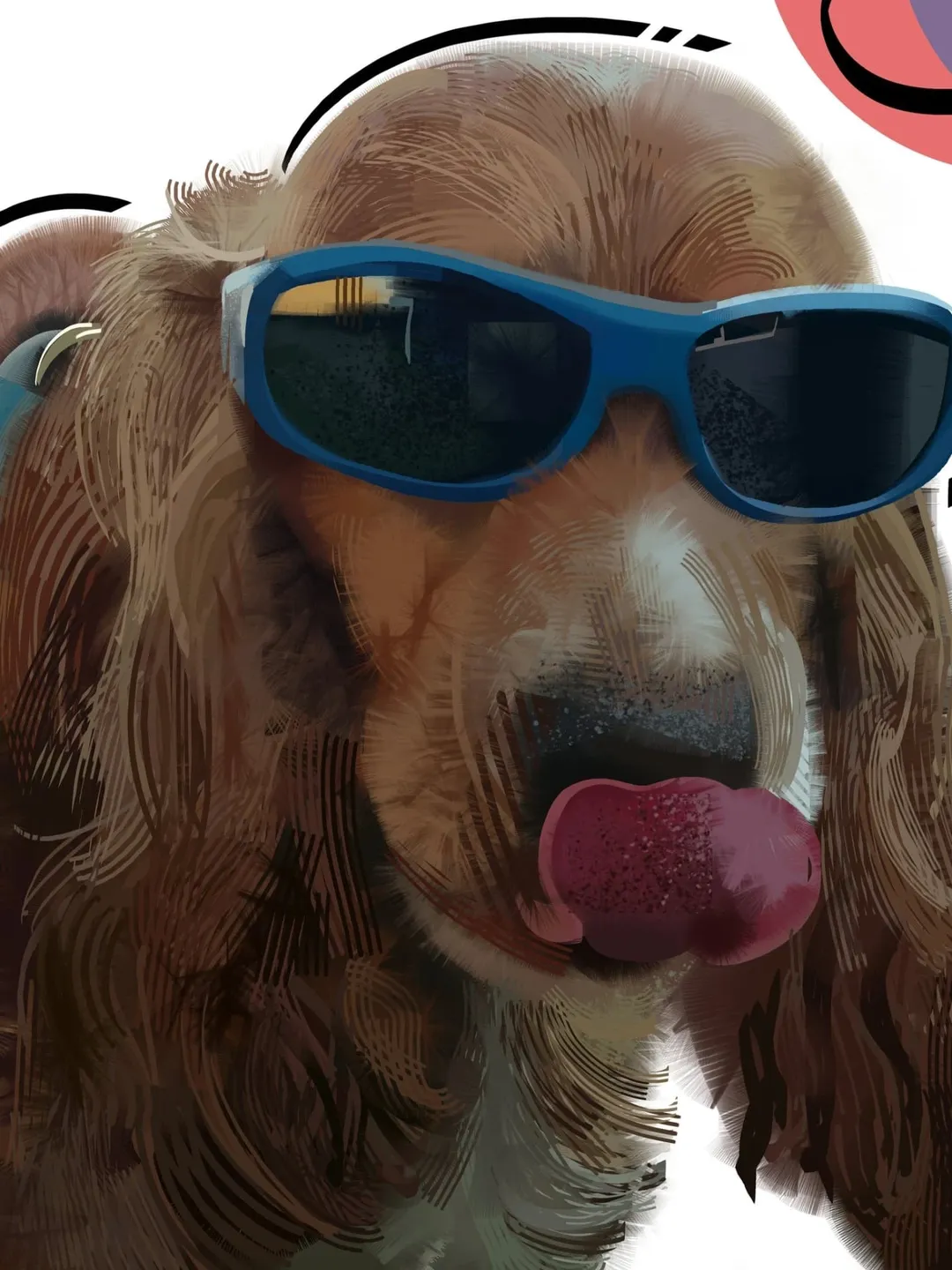
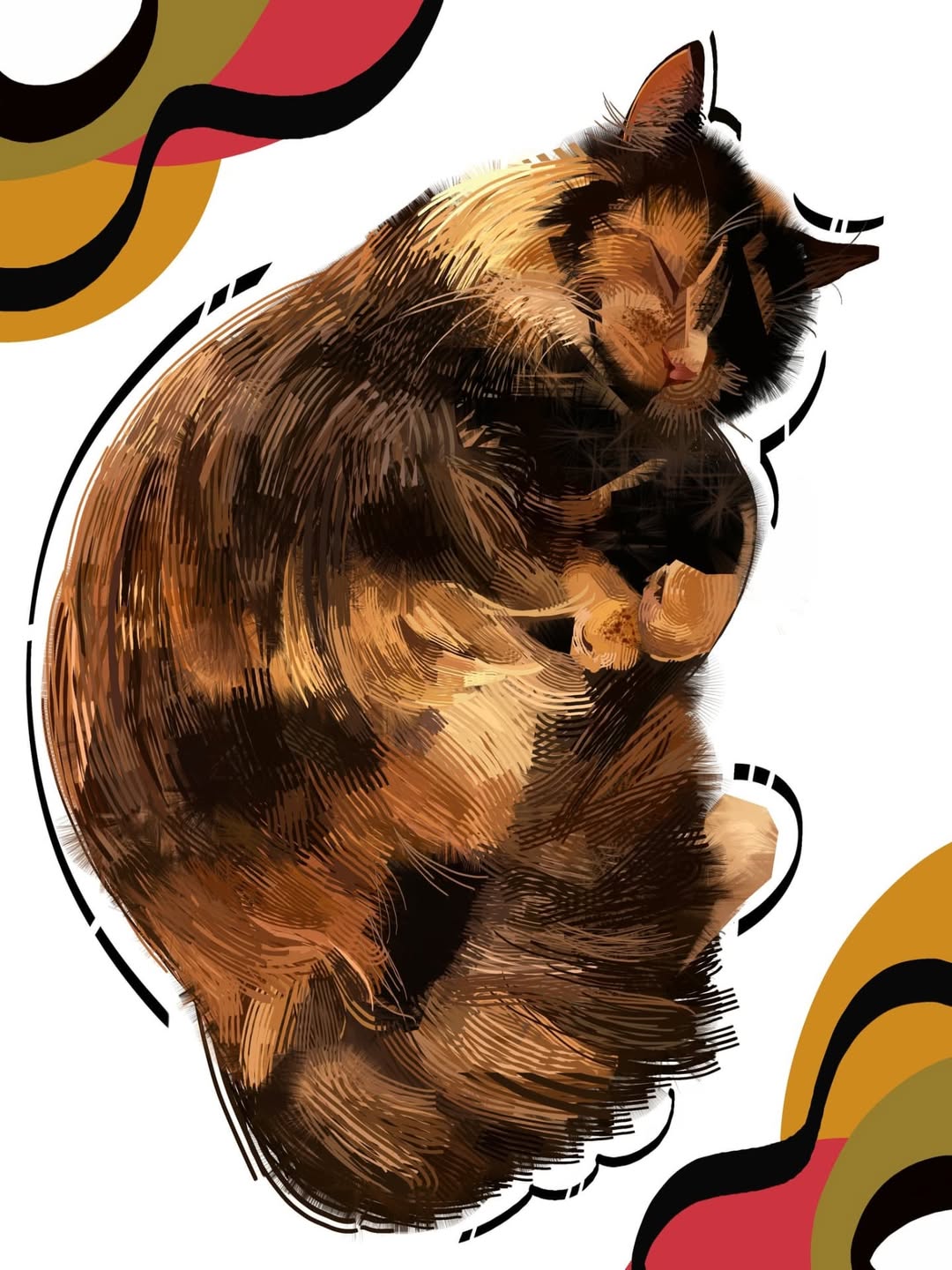
Money is the biggest difference. I probably wouldn’t have drawn hundreds of cats if I wasn’t being paid for it. That said, I wouldn’t do it if I didn’t enjoy it.
I have trouble drawing things I’m not invested in. Even when I’m being paid, I need to care about what I’m making. I’m fortunate that I can pick and choose projects I actually want to work on, so there isn’t a huge emotional separation between personal work and commissions.
Your environments often hint at a story without spelling it out. How intentional is that narrative layer?
I think that comes from the compositions I choose and my interest in film and cinematography. I’m influenced by movies and how they frame scenes.
I don’t usually have a specific story in mind. Because there aren’t people in my scenes, viewers can project their own memories onto the space. I think that’s why the work feels narrative, even if it isn’t intentional.
"I’m not very philosophical about it. If I see something and think it would make a good painting, I take a picture of it."
How do you usually start a piece: loose shapes, color blocking, or jumping straight into detail?
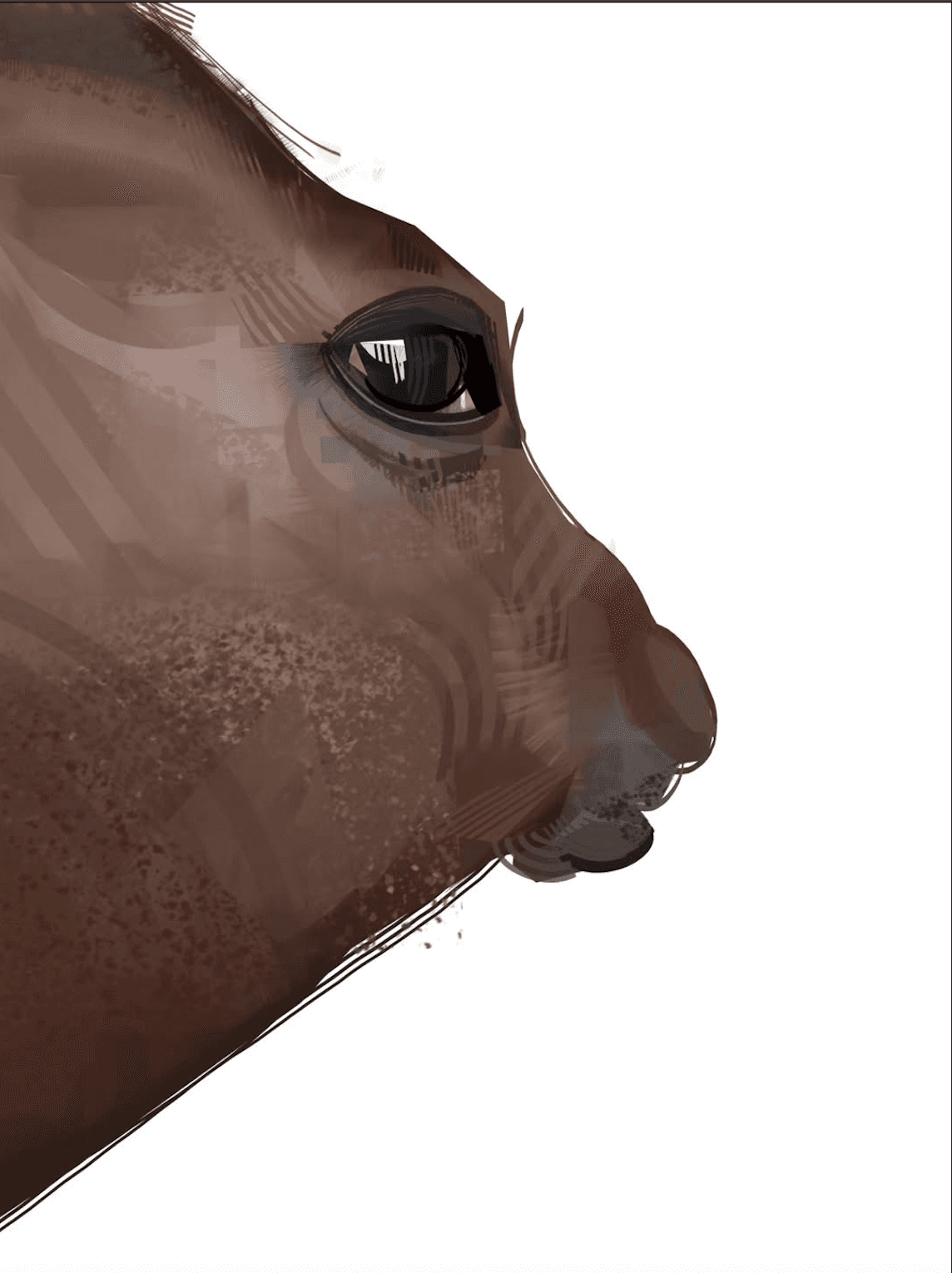
I usually start by painting right away with big shapes and blocks of color. I used to focus on line work, but I realized I work faster and enjoy painting more.
Once I figured that out, my speed improved a lot. Going straight into painting helped me develop form and lighting more naturally.
What’s something you struggled with early on that now feels easier when you paint?
Figuring out my process was the hardest part. Once I stopped forcing myself to work a certain way and found an approach that worked for me, things became much easier.
Breaking everything down into shapes and values made it easier to approach any subject confidently.
Looking ahead a year or two, what would “progress” look like for you—not in titles, but in the work itself?
For me, progress means continuing to make work I enjoy and improving naturally through that process. I want to keep making cool work, collaborating with people I like, and staying creatively fulfilled.
I don’t have a rigid plan. If I’m still making work I’m proud of, that feels like progress to me.
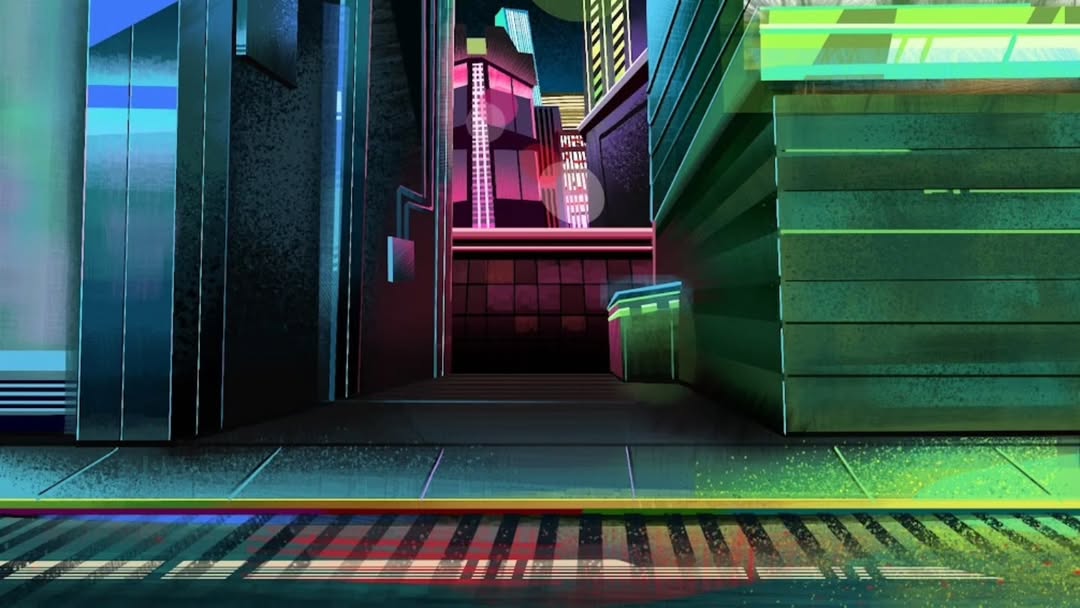
Backgrounds, 2025
Nathan’s story comes full circle in the same grounded way his work is made, through showing up and staying with the process. He has built a practice that values attention over performance and progress over declaration. His environments feel convincing because they come from places he has actually stood in and spent time with, shaped by choices that serve the image rather than the artist’s ego. In the end, his definition of success is simple: to keep working in a way that feels honest, sustainable, and worth returning to.