digital
Portraits
Animation
2D

Isabel Lauren Loewe
2025
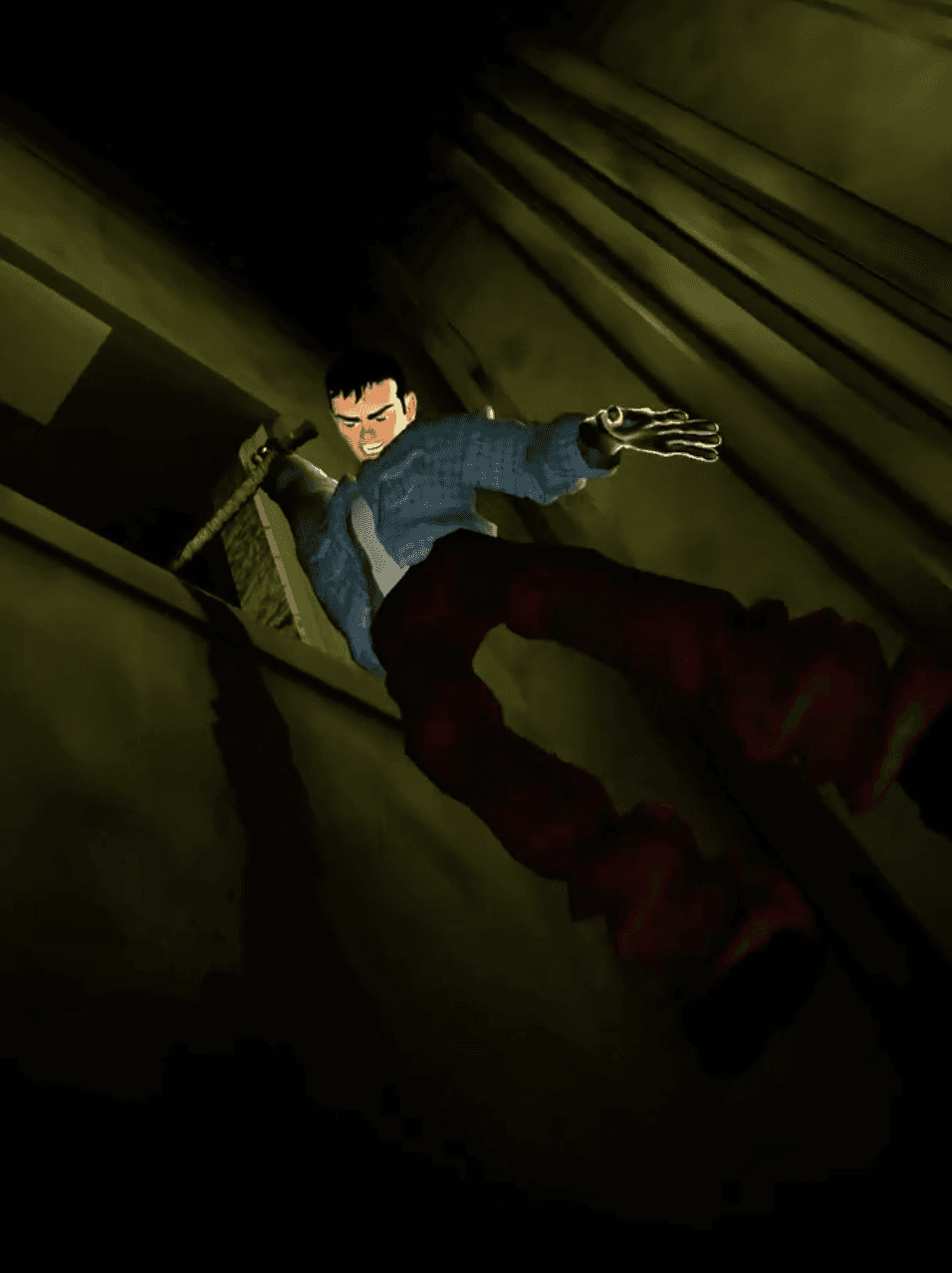
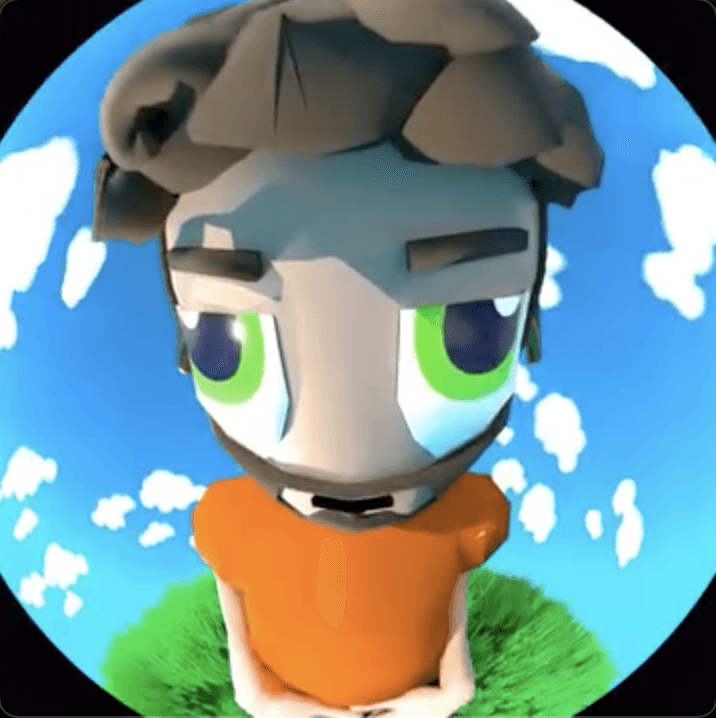
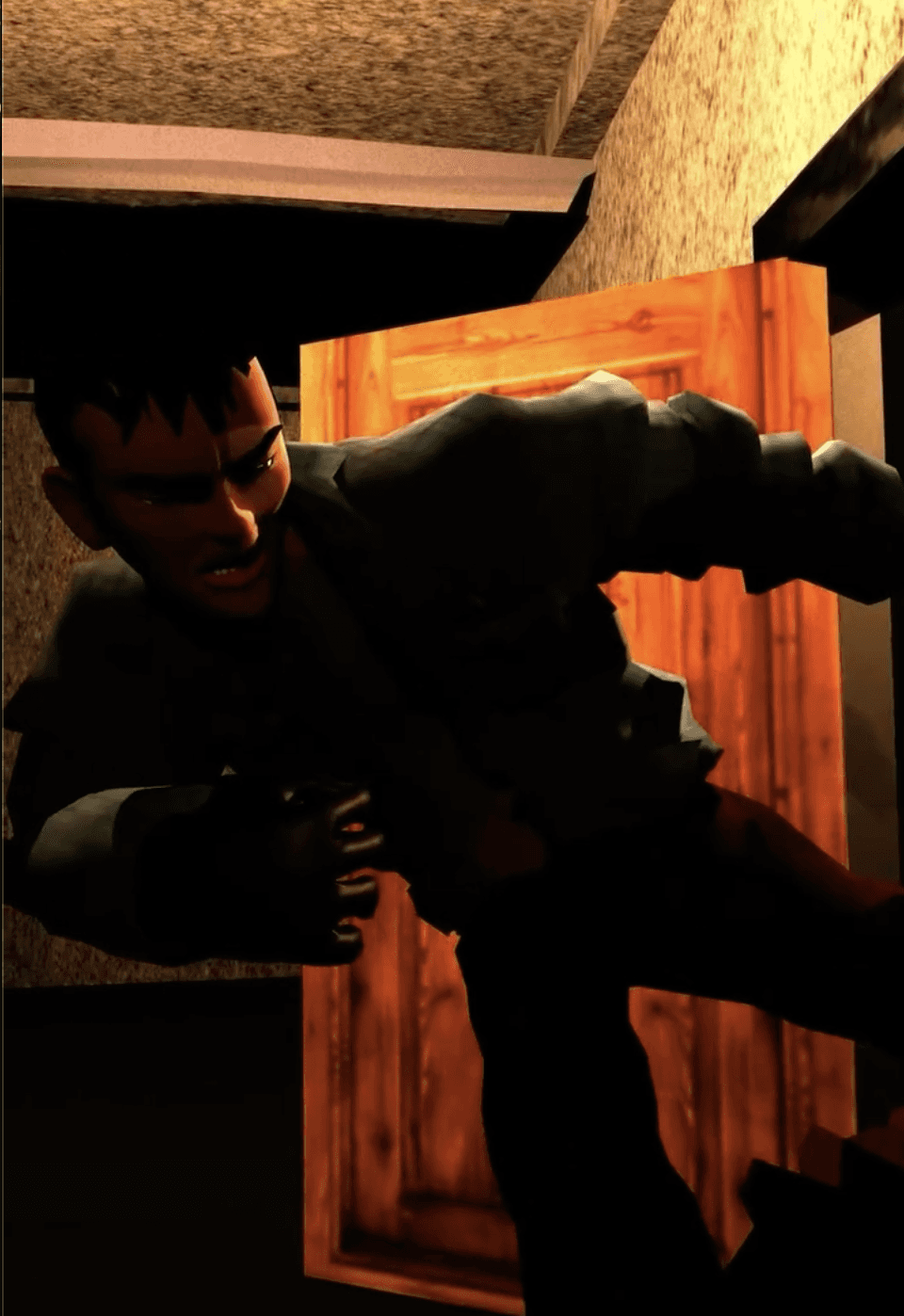
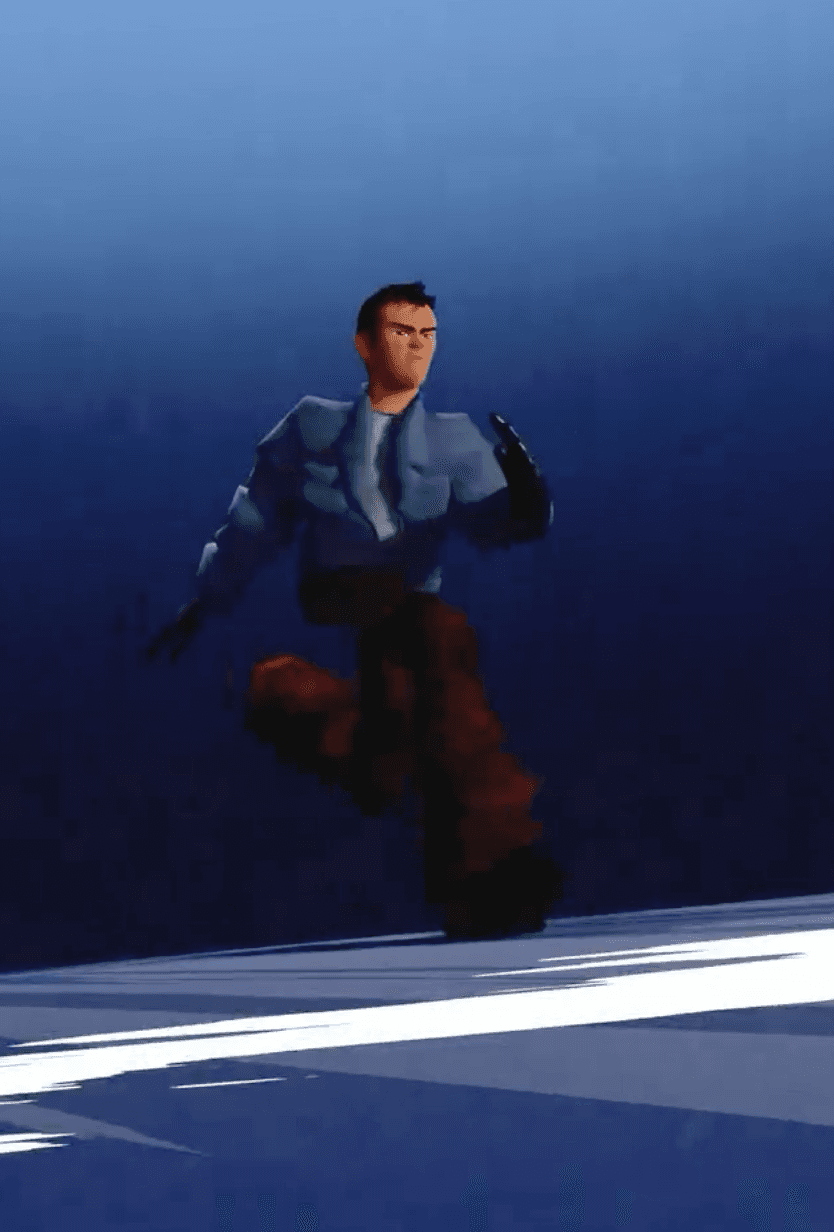
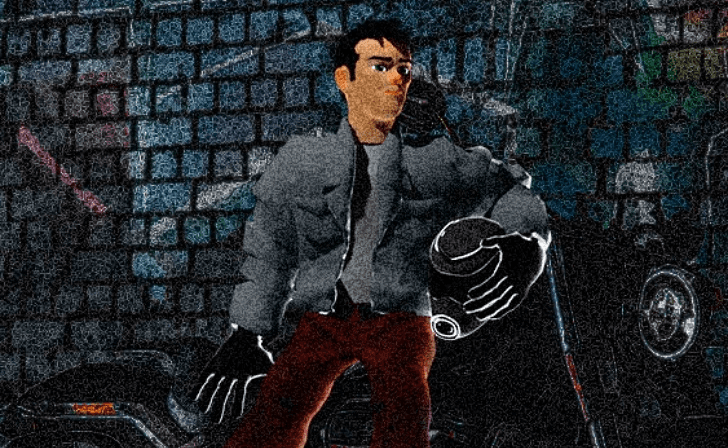
The dominant direction of digital art right now is more detail, more realism, and less visible effort. Toob thinks that's a mistake. The 26-year-old Dutch animator works in a visual language that is unapologetically low-poly—and he'll tell you plainly that this is not a limitation. It's him taking a stance.
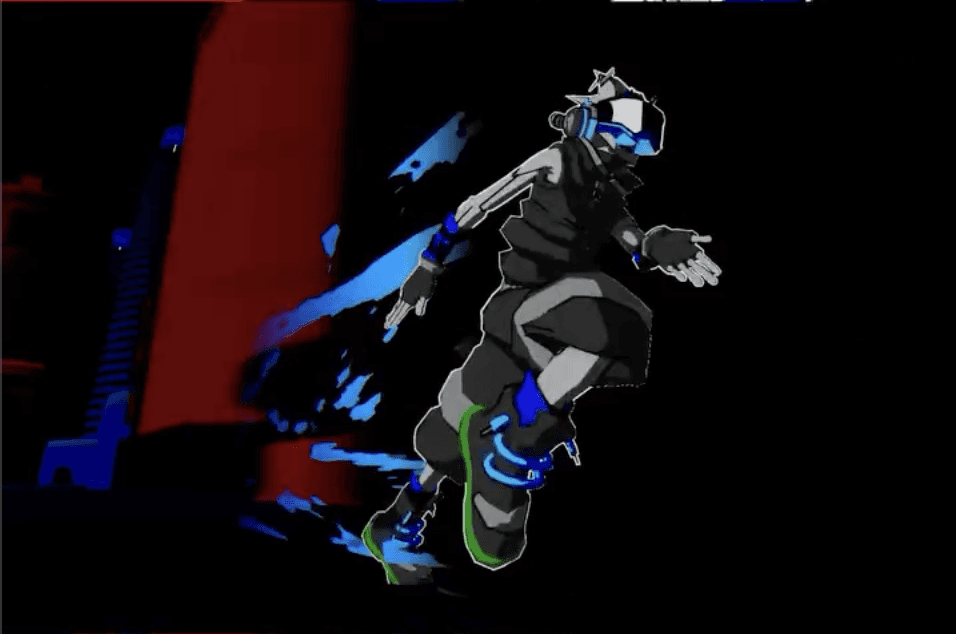
At a moment when studios are racing toward photorealism, Toob is moving in the opposite direction. His work pulls from PS1-era video games and early internet aesthetics, and it looks handmade in a way that almost nothing being produced today does. That quality isn't accidental. It's an argument that imperfection holds something realism loses and that chasing perfection might be the thing that kills the art.
He came to animation sideways, through drawing, music, and a Game Art program he enrolled in not because he loved games but because he loved storytelling. What he found, eventually, was that animation was the form he'd been circling the whole time. Below, he talks about building worlds to escape into, what he thinks young 3D artists consistently get wrong, and why perfection is one of the most overrated concepts in art.
2024
Where did you grow up, and how did your environment shape your visual instincts?
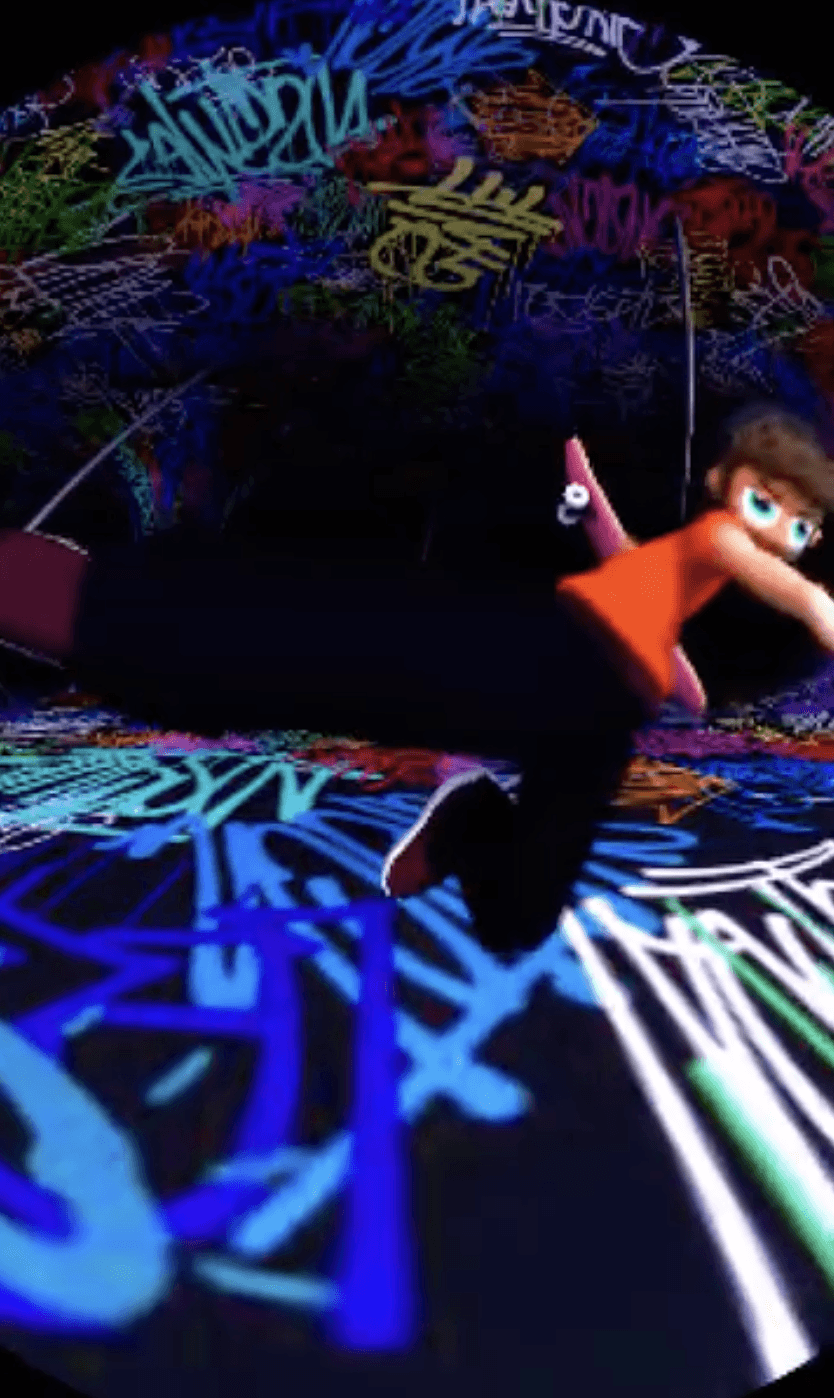
I grew up in the Netherlands, in the city of Groningen. All the schools I attended were very open in terms of creative direction, and from an early age, I consistently chose artistic paths. I was exposed early on to drawing, making music, and creating digital and analog art. I started working with 3D when I was around 14 or 15, beginning with an internship where I learned to model buildings in SketchUp. After that, I downloaded it at home and started designing skate parks for fun. Around that same time I also started skateboarding, which I still do occasionally and which continues to influence my work visually and thematically. From the age of 10 to 16 I took drum lessons and always enjoyed making beats. While I never pursued music professionally, it definitely strengthened my interest in rap and hip-hop, which now has a strong influence on my work. Looking back, I was given many opportunities to try new things and experiment. That helped me develop the ability to step outside my comfort zone and build perseverance. I learned to keep creating without being afraid of failure, because failure is inevitable if you keep pushing forward, and eventually something will emerge that you're proud of.
How did you first get into making art, and when did animation specifically take hold?
I've always enjoyed drawing and being creative, but I only decided to take it seriously when I started studying at around 16. I enrolled in a Game Art program. I wasn't a huge gamer, but I loved superheroes and drew a lot of inspiration from them in the beginning. I was always more drawn to the art and storytelling side of games rather than the competitive aspect. During my studies I realized that animation is, to me, the most beautiful art form that exists. It built up gradually. I was constantly searching for the next step: from drawing on paper to digital drawing, from 3D modeling to learning rigging and animation. Before I knew it I had fallen in love with the entire process of creating an animated film. In hindsight it makes sense. As a child I could watch cartoons for hours and was completely fascinated by animated films and cinema in general.
What was the first animation you made that confirmed this was what you wanted to do?
For my first graduation project in Game Art, we were supposed to make a game. Instead I chose to create a one-minute animated short because I wanted to continue studying animation afterward and needed to know if it was truly what I wanted. Making that short only confirmed it.
Your animations feel intentionally imperfect and pixelated. When did you begin leaning into that aesthetic?
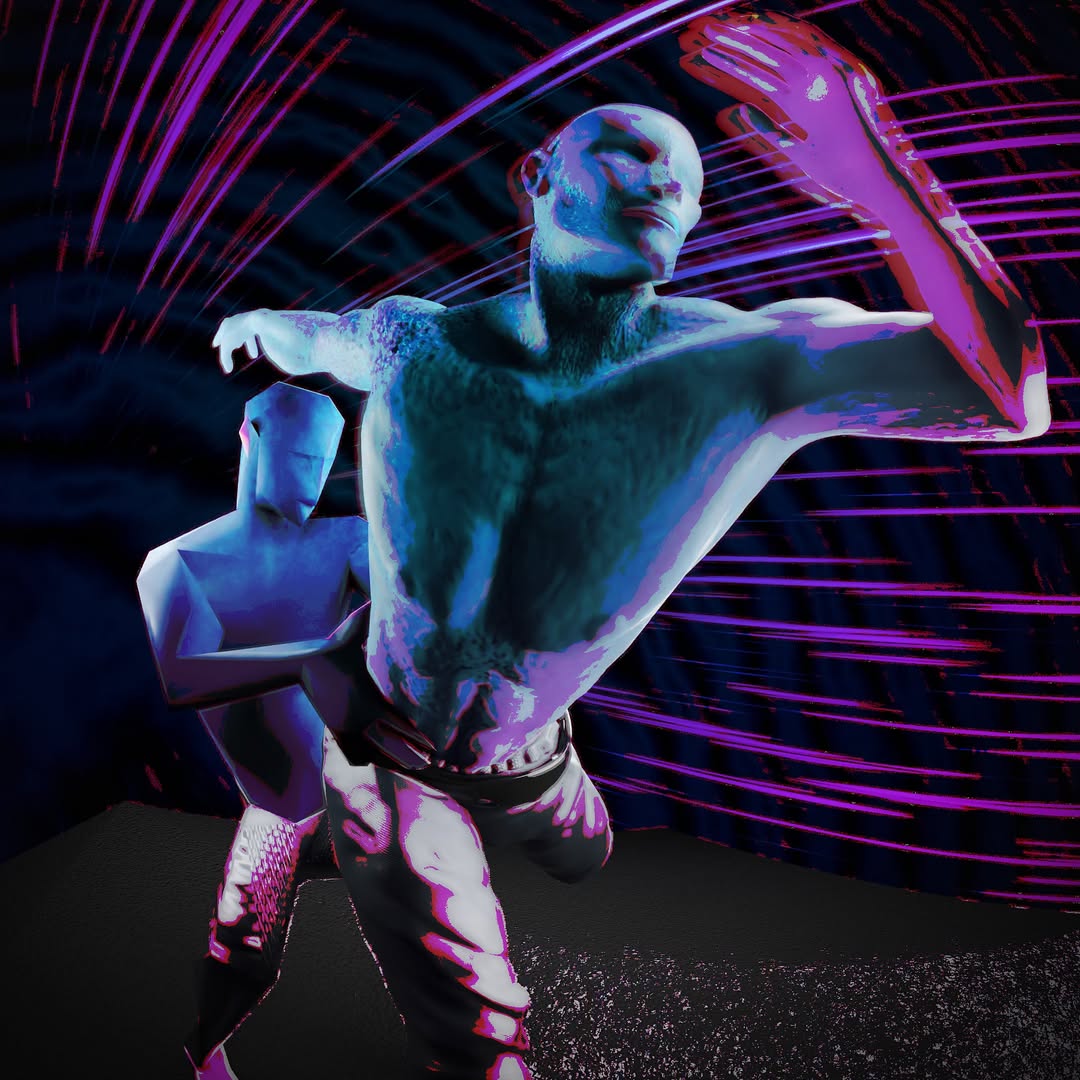
I think perfection is one of the most overrated concepts that exists. I've never been very perfectionistic. I usually want to find the fastest way to reach the final result. I'm very problem-solving oriented but also impatient. I can't spend endless hours polishing a tiny detail. I want to create what's in my head and then move on to the next idea. Because I work quickly, I naturally developed a style that allows me to do this efficiently. I actually love the imperfections that come with 3D and enjoy using them intentionally. I also like turning software bugs into features, transforming limitations into something visually interesting. This often results in a glitchy aesthetic, but not always. I'm very opportunistic when it comes to discovering software limitations and experimenting with them.
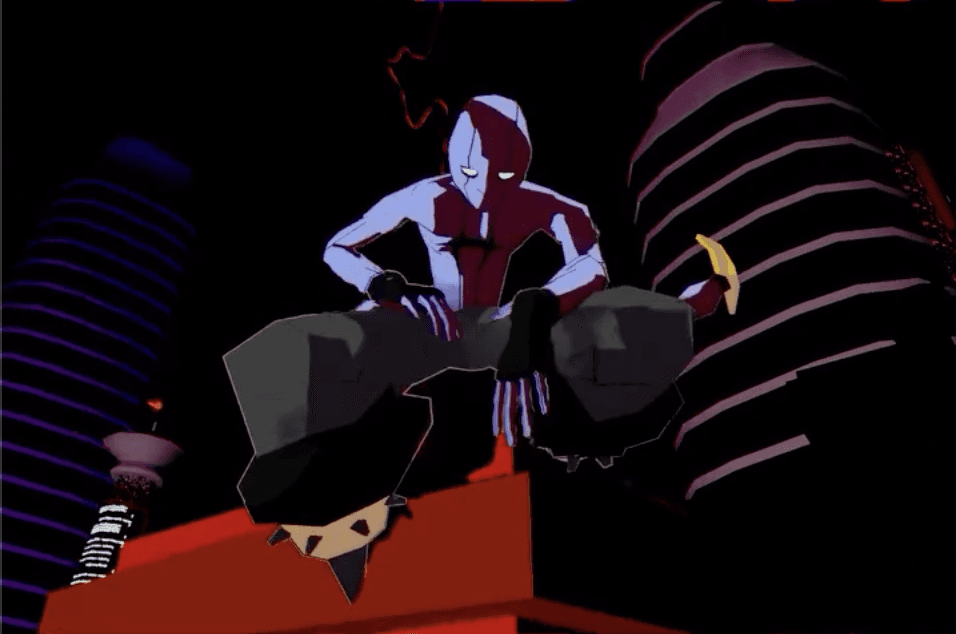
I also have a big fascination with Y2K aesthetics and early game visuals, especially the PS1 low-poly era. It feels nostalgic. With the rise of AI and hyper-realistic digital imagery, everything is becoming more detailed, more complex, more photorealistic with lesser and lesser effort. You're not supposed to see that it's computer-generated anymore. I think that's nonsense. I enjoy stepping back into something simpler where you can see who made it and how it was made. That doesn't mean I reject innovation. I appreciate new tools and also like to use them. But I enjoy finding a balance between older aesthetics and modern possibilities.
"I think perfection is one of the most overrated concepts that exists."
2026
How would you describe your style?
It's difficult for me to place myself in a stylistic box. I honestly find it boring to stick to one consistent style. If you scroll back on my profile a few years, the work is almost unrecognizable compared to what I make now, not just because I've improved but because my interests change. I experiment constantly, and I'm sure that a year from now my work will look very different again. I don't want to be trapped in a style I created. I want the freedom to change, experiment, improve, or even become worse. Sometimes becoming worse means you're trying something completely new, and I think that's beautiful.
How would you describe the emotional tone of your work?
While I believe emotion is important in art, I find it difficult to make my own personal emotions the focus of my work. Instead I use my art as escapism. When I create, I don't want to dwell on my own life. I want to transport myself into a different world where something else is happening. I want my work to communicate something, but more as a form of escape. Something hopeful about the future, or simply something entertaining or impressive. I admire art that makes you deeply reflect on your own life, but personally I'm more drawn to building worlds you can step into and forget your own reality for a moment.
What tools do you work with?
I started with Blender and Adobe Creative Cloud. Over time that evolved into primarily using Blender. I create almost everything inside Blender now and love having such a versatile program that allows me to do nearly everything in one place.
What technical weaknesses did you have early on, and how did you confront them?
I started with a Game Art program and then continued studying animation, but I'm far from finished learning. I constantly challenge myself to improve. It formally began with two educational programs, but during those studies I mostly taught myself by pushing beyond the assignments. You always have to make it your own.
What are your biggest visual references right now?
I really like grind fiction aesthetics. I'm inspired by PS1 low-poly game visuals. I love older anime but also contemporary visuals like the helicopter video by A$AP Rocky.
You use a lot of rap music in your animations. Why is that?
Rap and hip-hop are my favorite genres. It feels natural to integrate them into my work. I also find animating to music incredibly fun. I'm not deeply focused on sound design, so music becomes the main auditory layer and vibe of my animations.
Walk us through your process from blank file to final export.
It depends on whether I already have a clear idea. Usually I start by gathering references. If I have a strong vision I jump straight into Blender and begin modeling a character. After modeling I unwrap where needed and move into shading and texturing. Sometimes shading alone is enough, sometimes I texture paint or use photo-based seamless textures. I don't use painted textures made by others, only photo textures. Once the character is finished I either build the environment or move into rigging so the character is ready for animation. I usually animate in stepped mode, placing frames manually before adding interpolation if needed. During animation I experiment with lighting and compositing. Music usually comes at the end. Then I render everything as an MP4.
Do you plan heavily, or do you discover the piece as you go?
I don't really plan. At most I outline things in my head. I let the process unfold naturally. What happens, happens.
Do you want a recognizable style, or does that feel like a trap?
I'm actually pretty bad at developing a recognizable style because I feel like I'm all over the place. I just love experimenting too much. And honestly I don't necessarily want to be known for one specific style. I want to keep all options open.
"I want to create what’s in my head and then move on to the next idea."
Do you work by rules or by feeling?
There are many things I do more by feeling than by rules, mainly because I either don't know the rules or I've forgotten them. I try to trust my intuition and figure things out through experimentation rather than strictly following established guidelines.
How do limitations influence your creativity?
I feel like if I had more time and focus I would make full movies. I'd love to create longer-form stories or short films with deeper narratives. But because it takes so long to produce everything alone, and because of time and financial limitations, it's difficult to commit to projects on that scale right now. Those limitations definitely influence the scope of what I make.
What do you think young 3D artists misunderstand about animation today?
How much work goes into a real animation project. Even I underestimate how much effort large-scale productions require. I think many young 3D artists don't realize how impressive their individual work actually is when they compare themselves to big studio projects made by hundreds of people. That comparison isn't fair. There's so much talent out there that doesn't feel good enough, which is honestly nonsense. You don't have to master every single step perfectly to be a good artist.
Do you feel like you're building a world across your animations, or are they standalone moments?
They're mostly standalone worlds. Sometimes I create a few posts with the same characters, but usually I move on quickly to a completely different world with new characters and stories.
What frustrates you most about working in 3D?
How hard it is to start. The first hour often feels like you're working on nothing. Only after a few hours do you begin to see progress and gain confidence in what you're building. The beginning is the hardest part because you're working on something that doesn't look like anything yet, and you just have to trust the process.
What excites you most about working in 3D?
Finishing something, not necessarily the final product, but completing each stage. When a character design is finished and you see what it has become, that's satisfying. When the rig works exactly how you intended, that's another milestone. Each completed step feels meaningful and gives the sense that you're building something real.
What influences outside of visual art shape your work the most?
Just living. Going places, meeting people, observing life.
What are you currently trying to get better at technically?
Cinematography.
What is a piece that marked a turning point in your confidence?
Every piece I make gives me a small boost in confidence. I'm very conscious of the idea that each new work is better than the previous one and contains more depth or skill. At least, that's how I try to think about it. You could call it delusion, maybe it is, but that mindset keeps me moving forward. It makes me feel unstoppable.
How do you feel about AI-generated animation?
AI can be useful. I think there's a balance where I'm comfortable with it, especially in technical assistance during the process. But the more of the visible final product is generated by AI rather than humans, the less value it has to me. AI should be a tool, not the artist. It's the first tool that can disguise itself as a creator. I believe the final image and the ideas behind it should always come from people.
2026
What Toob is pushing against is not just a style, but a direction. When everything starts to look seamless and frictionless, something human gets lost in the process. His work insists on the opposite. It asks you to notice the construction, to recognize the choices, to see the person behind the image instead of forgetting they exist.
There is a kind of freedom in that approach. Without the pressure to perfect every detail, the work can move faster, shift more often, and stay open to change. His animations are not trying to be final statements. They are moments, experiments, small worlds built and then left behind as he moves on to the next idea. That constant movement becomes the throughline.
In a landscape that keeps pushing toward more realism with less visible effort, Toob’s work feels like a quiet refusal. Not a rejection of technology, but a reminder of what matters within it. The image does not need to convince you it is real. It only needs to convince you that someone made it.