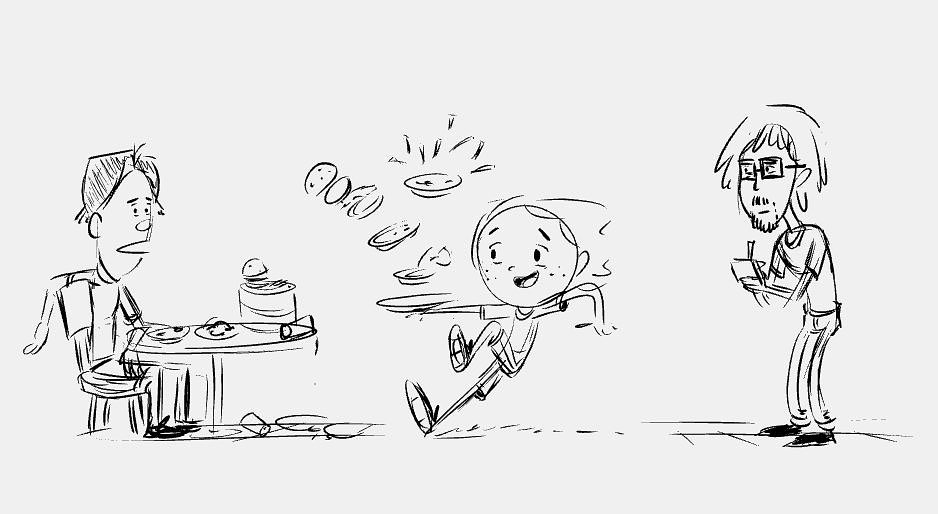
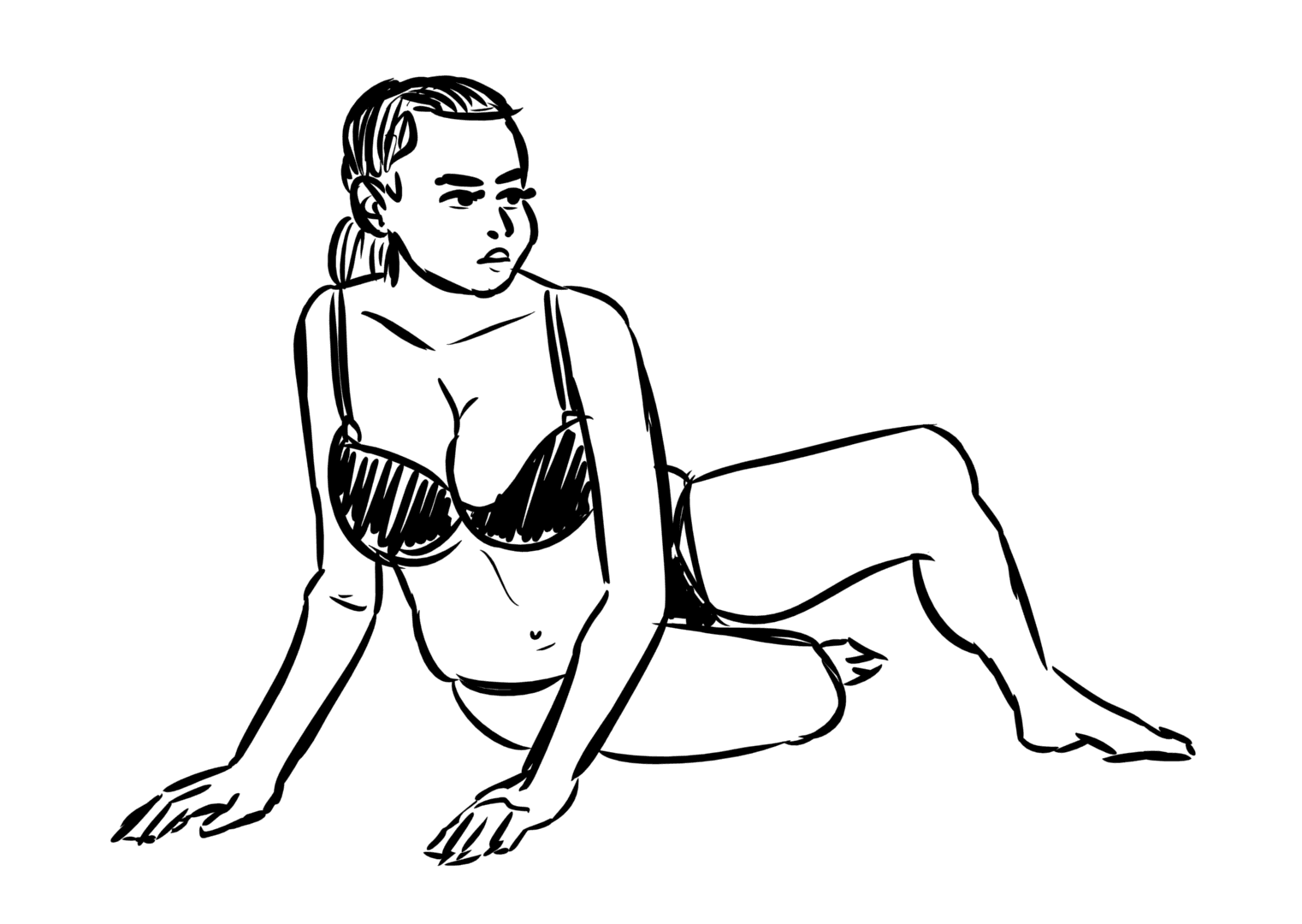
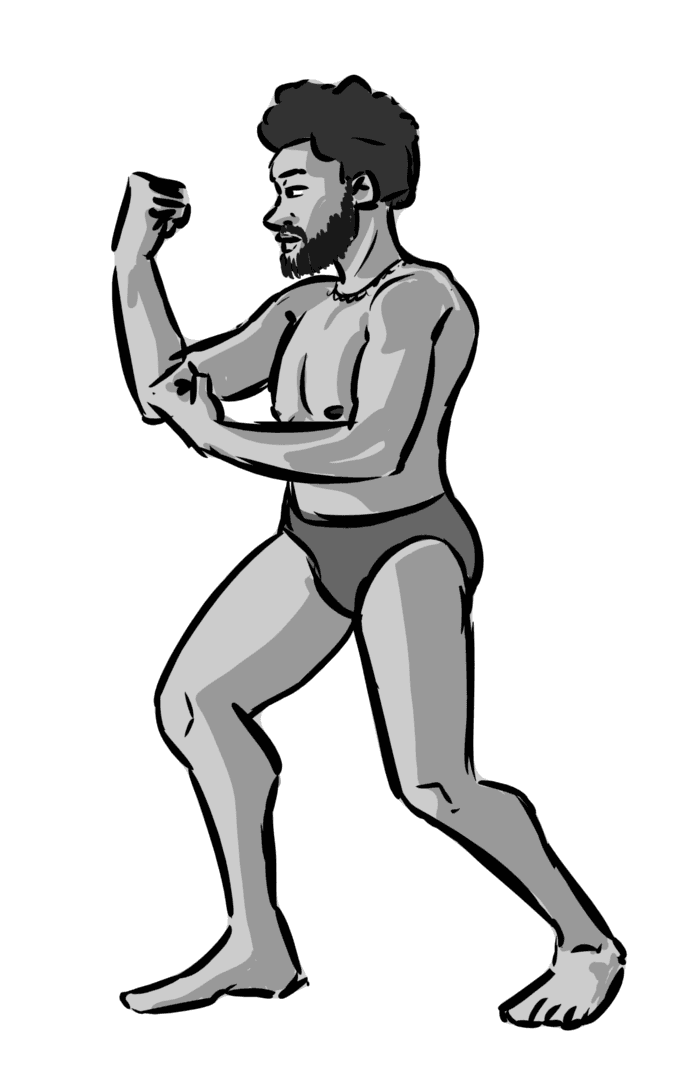
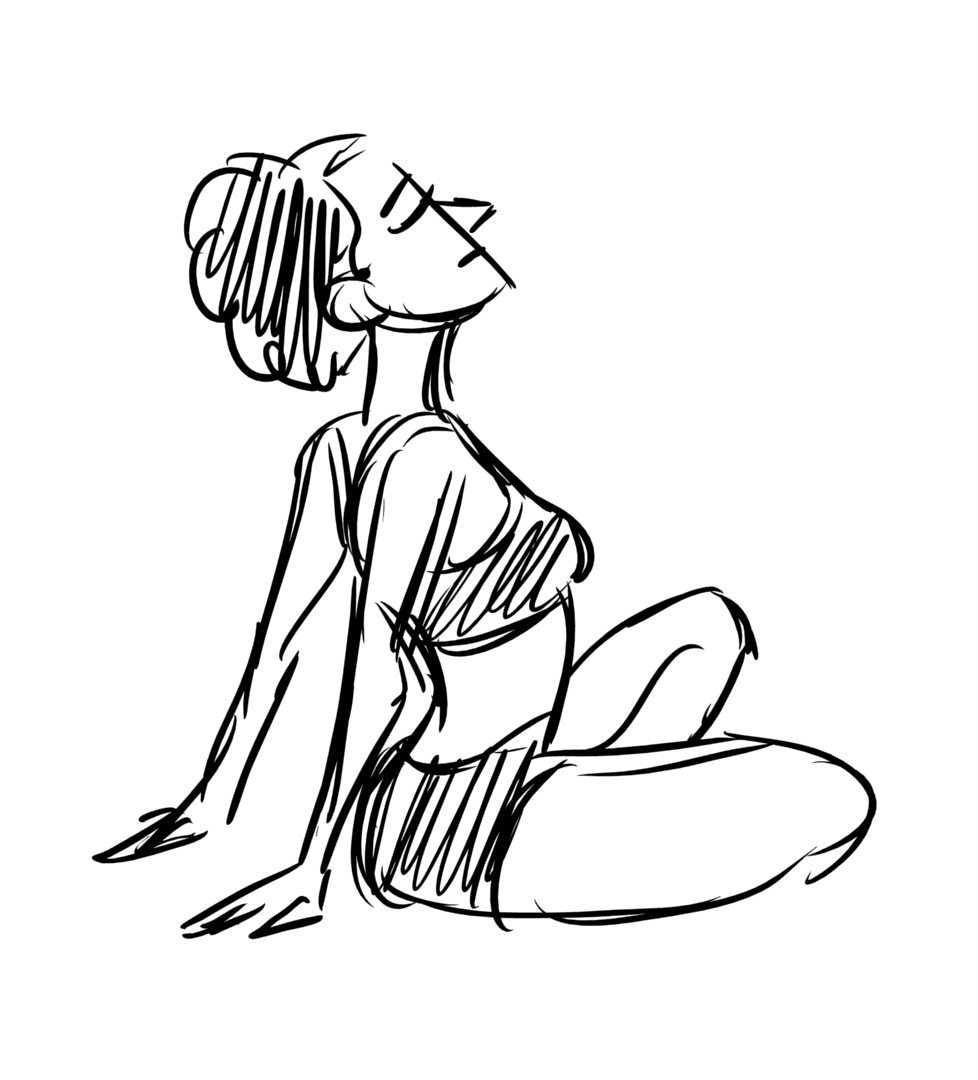
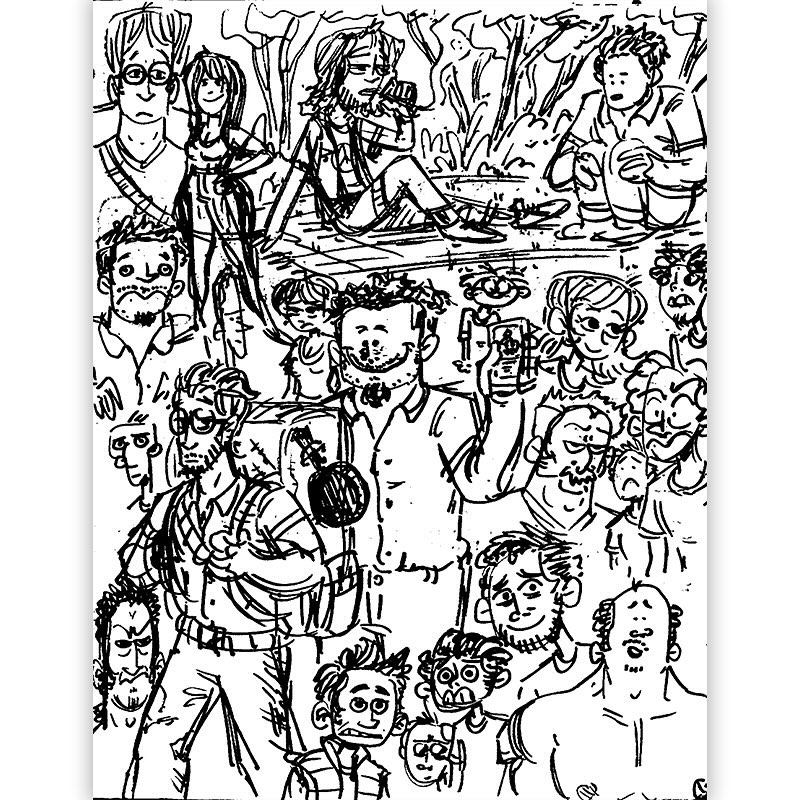
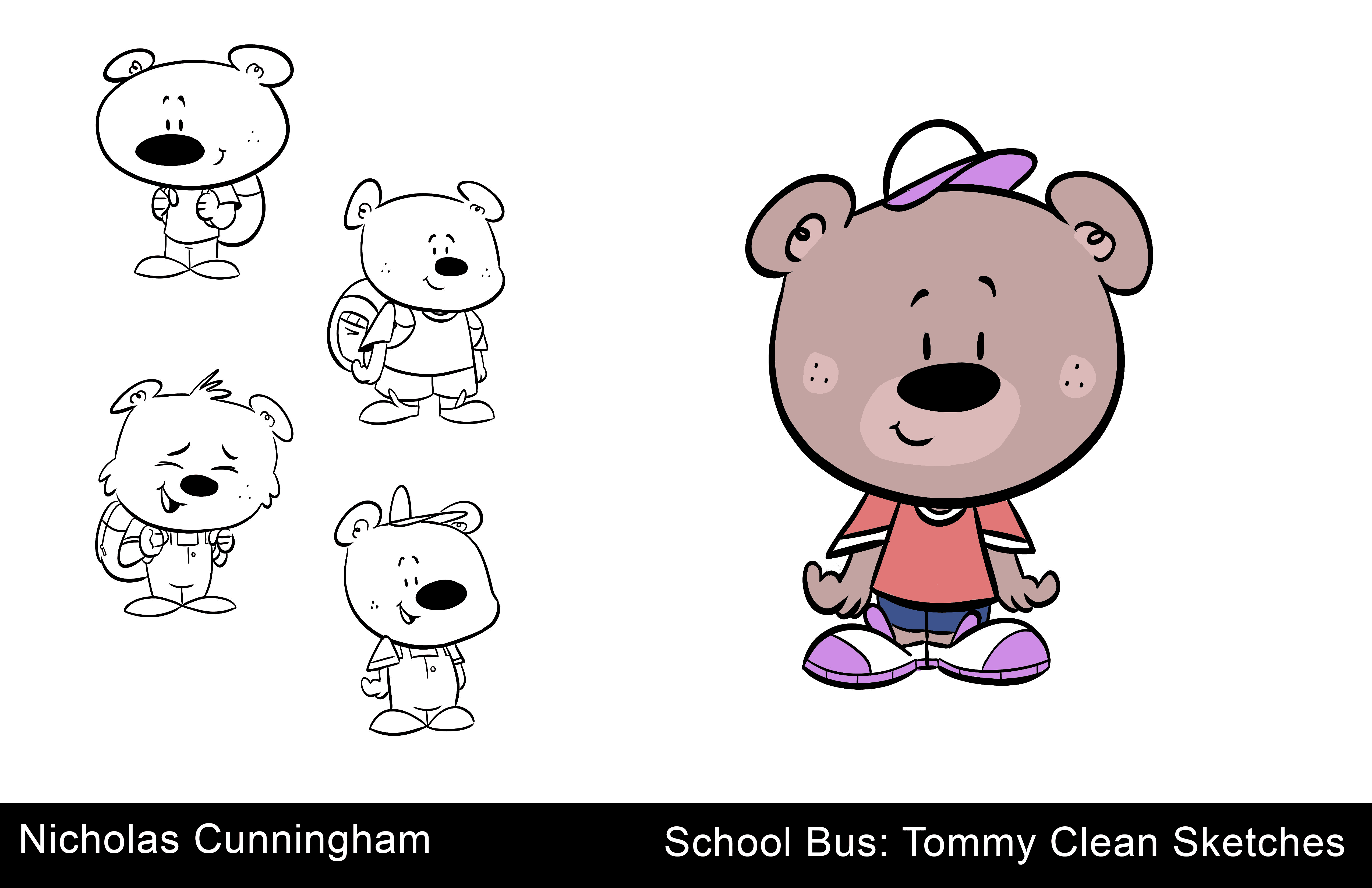
digital
Animation

Isabel Lauren Loewe
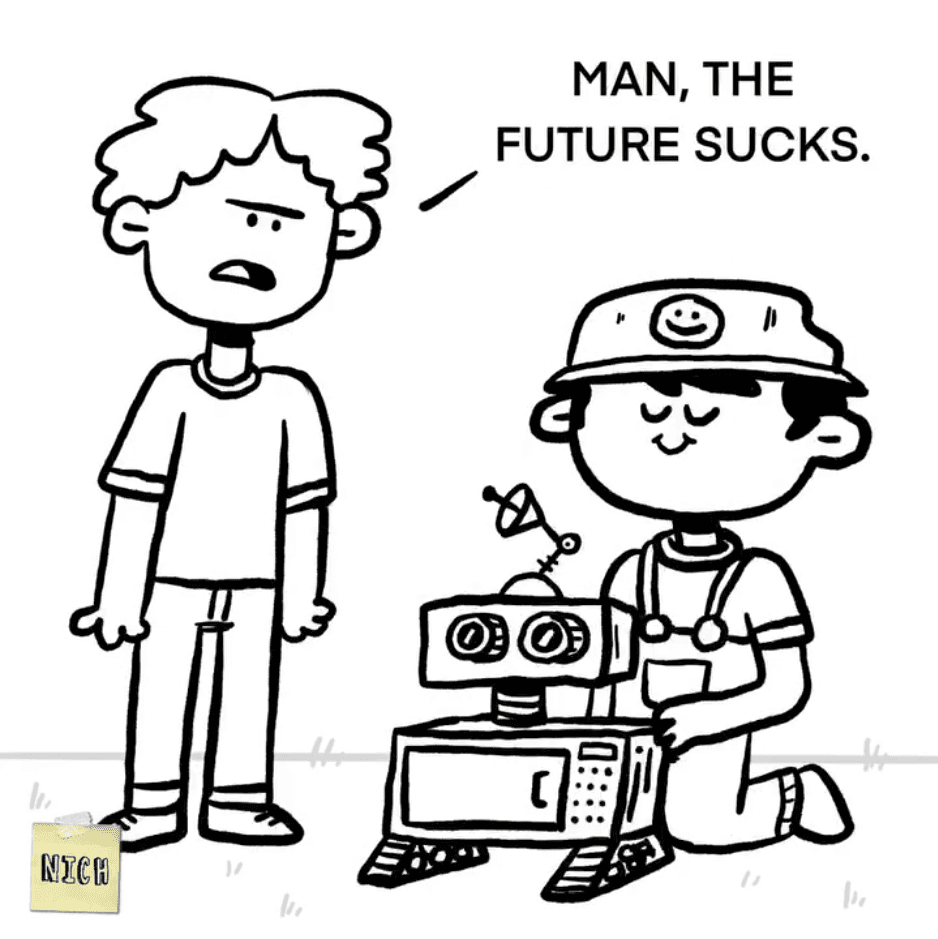
Future, 2025
Anyone who has spent the last fifteen years wandering through YouTube’s back catalogue can recognize Nicholas Cunningham almost immediately. His humor feels native to that era, not because it is trying to imitate it, but because it genuinely understands what made it resonate in the first place. His stick figures do absurd things with complete sincerity, and while the drawings are stripped down, the timing is deliberate and controlled. His work carries the DNA of a time when personality mattered more than refinement.
He started with Lego stop motion at eight years old, studying creators who were only a few years older than him but were already building audiences from their bedrooms. Watching that unfold made creating things feel attainable rather than distant. He eventually went on to study art in college, sharpening his fundamentals in anatomy, perspective, lighting, and composition, but the shift that defines him now happened much later. When he was laid off, he did not retreat, instead he posted on Instagram the next day and committed to three videos a day. Nearly a hundred videos led to roughly a hundred followers at first, and then a daily series accelerated that growth from 1,500 to 10,000 in a matter of weeks.
Nicholas makes comical animations, but beneath the humor is a clear philosophy about consistency and access. Lower the barrier to entry. Make the thing. Post the thing. Even something as simple as a sticky note with a stick figure can matter if the delivery is right. In our conversation, he talks about the early internet that shaped his instincts, the discipline that allows him to keep his work simple without it feeling careless, and why sustainability now matters more to him than virality.
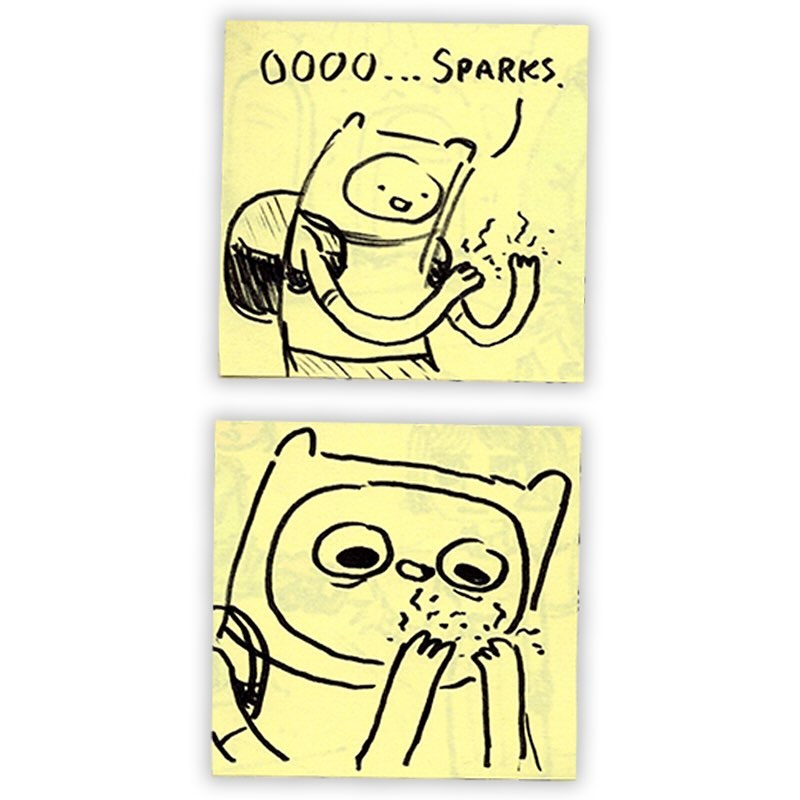
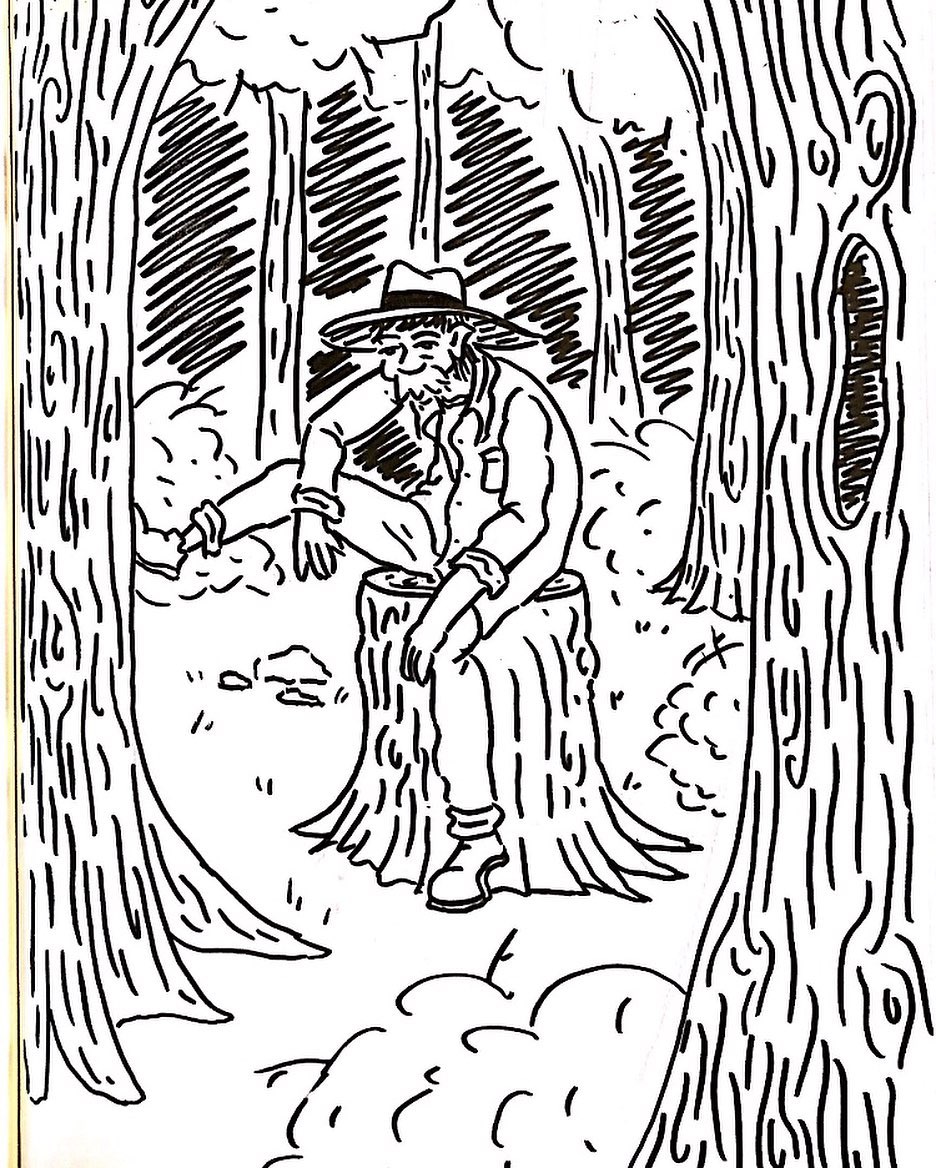
Adventure Time, 2025
Who are you as an artist, and what drives the work you make?
My name is Nicholas Cunningham. I’m a 2D artist. I primarily do storyboarding, animation, and comics. I’ve been making art since I was a little kid.
It wasn’t until middle school that I started thinking about doing it full-time. Shows like Adventure Time inspired me, but not just to make cartoons, but to inspire other people to make their own art.
That’s the crux of why I do what I do. I want to express my creative vision and have fun with it, but I also want to empower other artists to spread their voice. Even if they’re not the most technically skilled, they can still have an impact.
When did you first realize that making art could be more than a hobby, that it could be something bigger?
I grew up with the early internet. YouTube started in 2005, and I was introduced to it around age seven. Seeing people make cool stuff at home with just a camera in their backyard was really appealing.
I didn’t start with drawing. I started with stop-motion animation using Legos. I watched a lot of Lego stop-motions and began making my own around age eight.
Later, I made live-action skits and gaming videos. It wasn’t until high school that I got more serious about drawing. With college around the corner, I realized I couldn’t imagine studying anything other than art.
I went to school for art for four years. That’s where I dialed in my technical skills and began developing my style. Style is where your inspirations meet your technical ability.
Was there a moment growing up where you saw another creator and thought, “That’s possible for me”?
Definitely ForestFire101. He’s most known for “The Duck Song,” but I watched his Lego Batman stop-motions. I was eight and he was 14. At that age, that gap feels huge.
He had tens of thousands of followers, and seeing someone just a kid making videos in his bedroom and building an audience made it feel attainable.
What did early YouTube give you that traditional media never could?
The accessibility was huge. This was before YouTube had a partnership program, so no one was getting paid. But the idea that thousands of people could see and enjoy your work was empowering.
Artists didn’t necessarily need a TV network anymore. They could just put their stuff out there.
What fundamentals gave you the freedom to simplify the way you do now?
Fundamentals like anatomy, life drawing, still lifes, proportion, value, lighting, shading, perspective.
For a long time, perspective confused me because I was too focused on vanishing points. Once I started seeing perspective in real life instead of forcing it into a technical box, I improved a lot.
"Style is where your inspirations meet your technical ability."
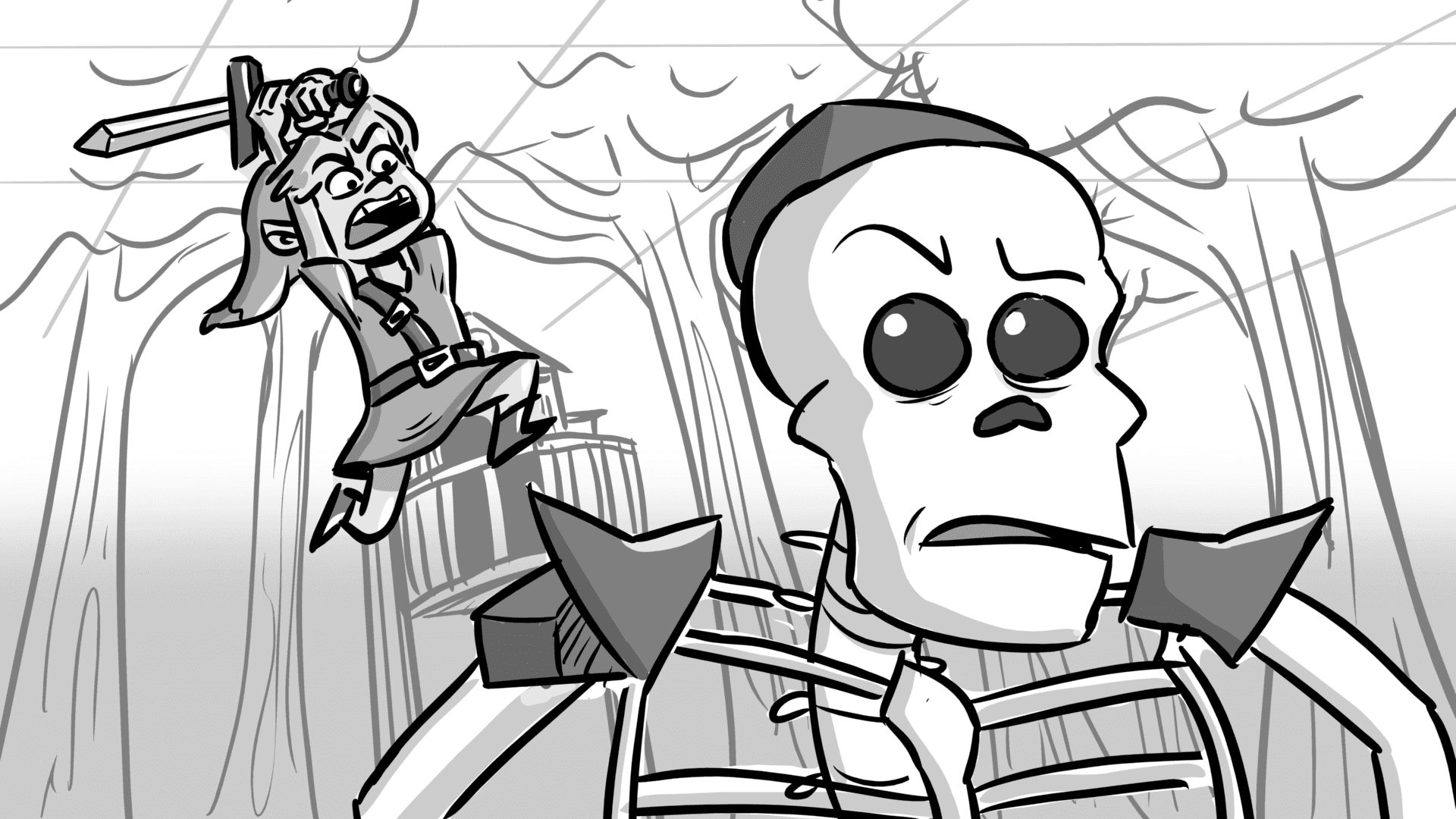
2025
Once you understood the rules, did you feel more permission to break them?
For sure. It’s intimidating to start something new because there’s less room for play. When you get better, you’re allowed to play more.
I’m not very versed in music, for example. I’d like to learn bass, but it’s intimidating because I’m at the beginner stage.
At what point did you stop trying to make perfect art and start making honest art?
Within the past four years. As my technical skills improved, I could simplify the world in my own way.
One of the biggest shifts was ditching pencils. About seven or eight years ago, I decided I was tired of being timid and erasing everything. I switched to drawing only with pen so I had to live with my mistakes.
It helped me stop sweating the small stuff and let go of perfectionism. A sketchbook shouldn’t be a polished portfolio piece, it should be a place to create ideas, not finish them.
One of your most popular videos is incredibly simple. What did that moment teach you about impact versus complexity?
My most popular video took under an hour to make. It was literally a sticky note with a stick figure. It has over a million views.
That lowers the barrier of entry. It shows people it really can be that simple.
Comedy is often underestimated as an art form. What makes it difficult to do well?
I’d say we have different tastes. I love deep, existential art too. My favorite animated show is Avatar: The Last Airbender.
Comedy isn’t lowbrow. It requires nuance and timing. Jim Carrey can be goofy in Dumb and Dumber and then deeply profound in The Truman Show or Eternal Sunshine of the Spotless Mind.
I like doing both. I just enjoy laughs more than cries.
How do you sharpen your comedic instincts?
By consuming comedy and observing life. Comedy and drama both explore lived experience. Comedy just does it in a lighter way.
In comics especially, timing and withholding information are crucial. Punchlines rely on delivery—whether through words or visuals.
If someone followed your comics for a year straight, what would they learn about how you see the world?
It’s a playground and an engine for consistency. Like going to the gym, I’m showing up daily to get reps in and refine my sensibilities.
It also gives me an excuse to explore characters I’ve been putting off. I have two dragon brothers who want to do music full-time. I have two fish boys who are freshmen in high school.
Instead of waiting to write a full episode, I just make small comics about them. When you stop making excuses and allow yourself to create—even if it’s unfinished—you invest in your characters and your voice.
You started posting the day after you were laid off. What shifted in you at that moment?
It was a perfect storm. I left a relationship because I felt at odds with where I was in life. Two weeks later, I got laid off for budget reasons.
I had two months left on my lease and enough savings to cover rent. I saw it as an opportunity. The next day after getting laid off, I posted my first video.
For the first month, I posted at least three videos a day. I probably posted 100 videos and gained about 100 followers. Then a month later, I was at 1,500. Less than two weeks after that, I hit 10K.
I started a daily series that really blew up. You learn by doing. It’s about staying creatively authentic while understanding the platform and how to package your content.
"It’s not about what I say, it’s how I say it."
What did that first intense month of posting teach you about consistency?
A lot of it's just you learn from doing. The difference between that 1,500 and 10K jump is I started a daily series that really blew up my channel and a lot of that was because of just applying what I was learning. A lot of it's the perfect mixture of staying creatively integral to what you like to make while also understanding the platform. It’s not about what I say, it’s how I say it.
You often talk about art in terms of community and shared creative energy. Where does that perspective come from?
Art is personal, but it’s also universal. What’s lighting me on fire right now is this universal creative energy we all have.
Some people tap into it, others hold themselves back because of perfectionism or fear. I’m fascinated by that and want to help break down those barriers—for others and for myself.
You’ve recently started hosting weekly workshops for artists. What inspired you to create a space like that?
Yeah, it’s something new that I’ve been rolling out. This was my second one that I’ve run, but I want to start doing weekly workshops with people. Essentially, every week will be a different theme. It’s mainly an opportunity for artists to get together, meet, have fun with their art, and collaborate.
Today we did “Sketch Sesh.” We played a bunch of different sketchbook-related games. The first one was “Build a Comic,” where we picked a theme and everyone made a comic and went in their own direction with it. It’s fun. It’s a good opportunity for people to let go of perfectionism and just have a chilled time.
You’ve described this as something new, how early are you in the process?
This was week two, so I’ve been doing it for two weeks. I technically set it up about three or four weeks ago so people had time to sign up. It’s very new.
Your workshops span comics, storyboarding, writing, even pitching. Why is it important to you that artists experiment across disciplines instead of staying in one lane?
I like doing a lot of different cartoon-related things. I’ve done “Sketch Sesh” and “Build a Comic.” I also have “Storyboard Speedrun,” where we come up with a theme and thumbnail a short sequence as a storyboard. It’s much looser.
I want to do a “Creative Writing Jam,” a “Set the Scene” screenwriting workshop, character design sessions, and even an elevator pitch workshop where we pick a theme and everyone comes up with their own cartoon idea and pitches it on the call.
For artists who want to step into that space with you, how does it work?
I set up a store that lists the workshops for the month. You can sign up and purchase a digital ticket. It’s a $15 entry fee, and that gives you access to that session.
The sessions are listed as an hour, but I usually let them run 15 to 20 minutes longer because I don’t like cutting off creative momentum.
Now that you’ve built momentum, what does sustainability look like for you?
I want to bring artists together, empower them, and keep making silly, fun stuff I enjoy.
Last year was about growing my following intentionally. This year is about learning how to make it a sustainable business.
The dream is to do creative work full-time on my own terms.
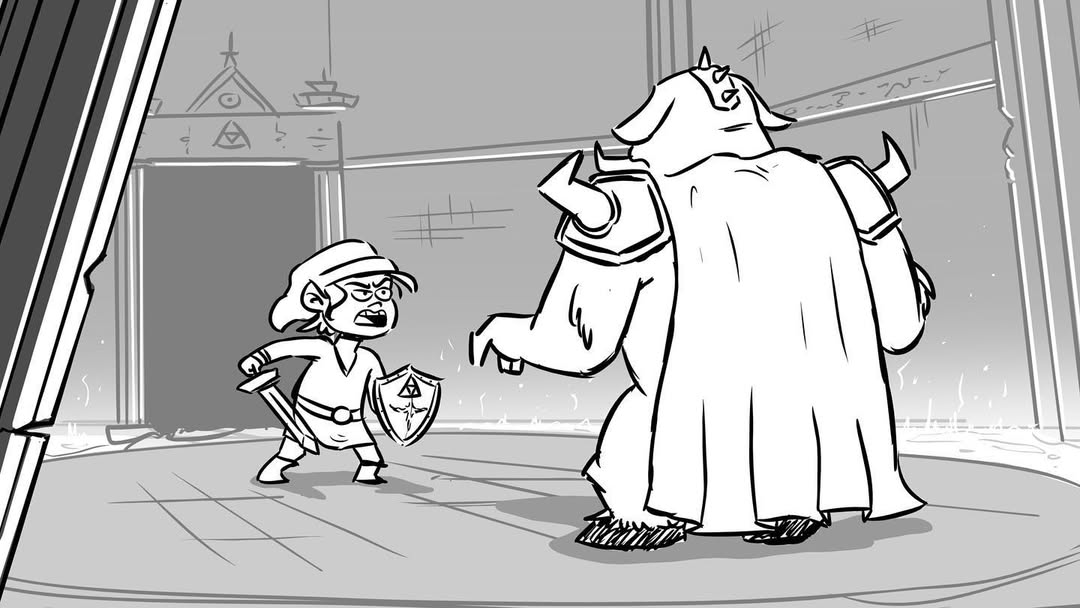
2025
Nicholas does not treat comedy as something accidental or disposable; he treats it as something built through repetition and instinct sharpened over time. The stick figures may be simple, but the discipline behind them is not, and that tension is what gives the work its edge. What began as a kid studying Lego stop motion in his bedroom has turned into a practice rooted in consistency, self-trust, and a willingness to post before everything feels perfect. In the end, his humor is less about nostalgia and more about proof that if you keep making the thing and commit to the bit, the right audience will eventually find you.