Traditional Art
Digital Painting
Drawing

Isabel Lauren Loewe
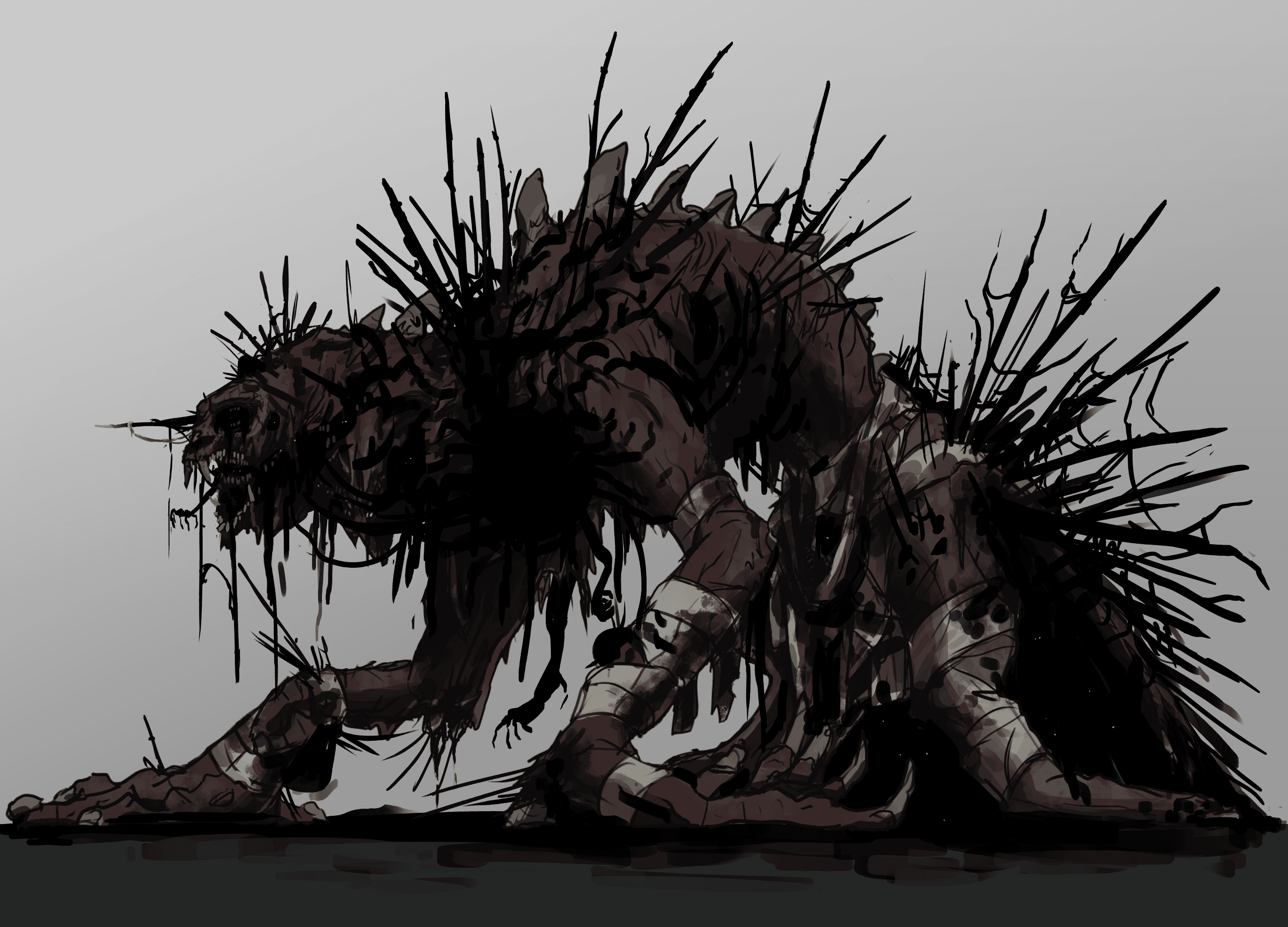
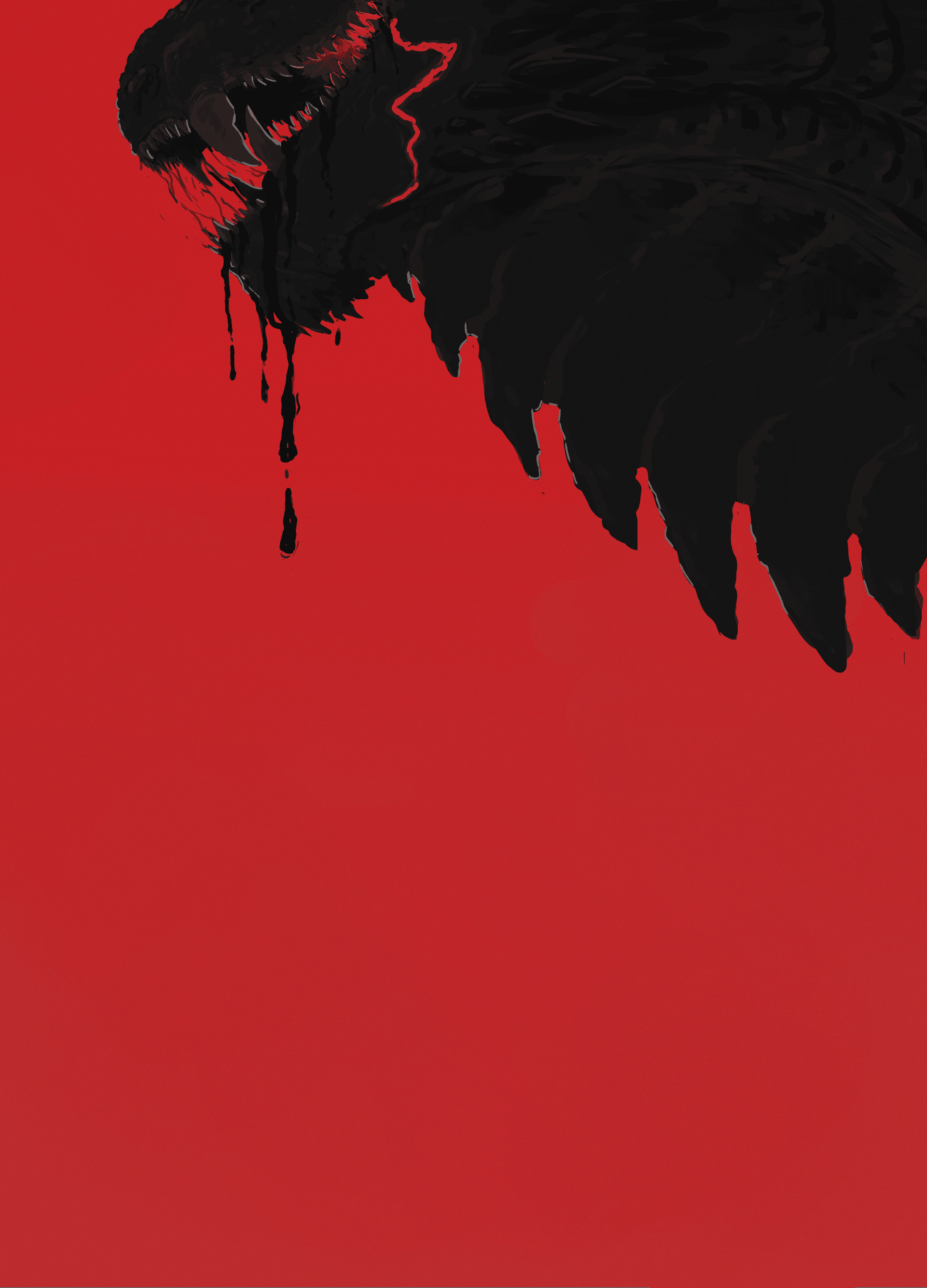
INFECTED CRIMSON, 2025
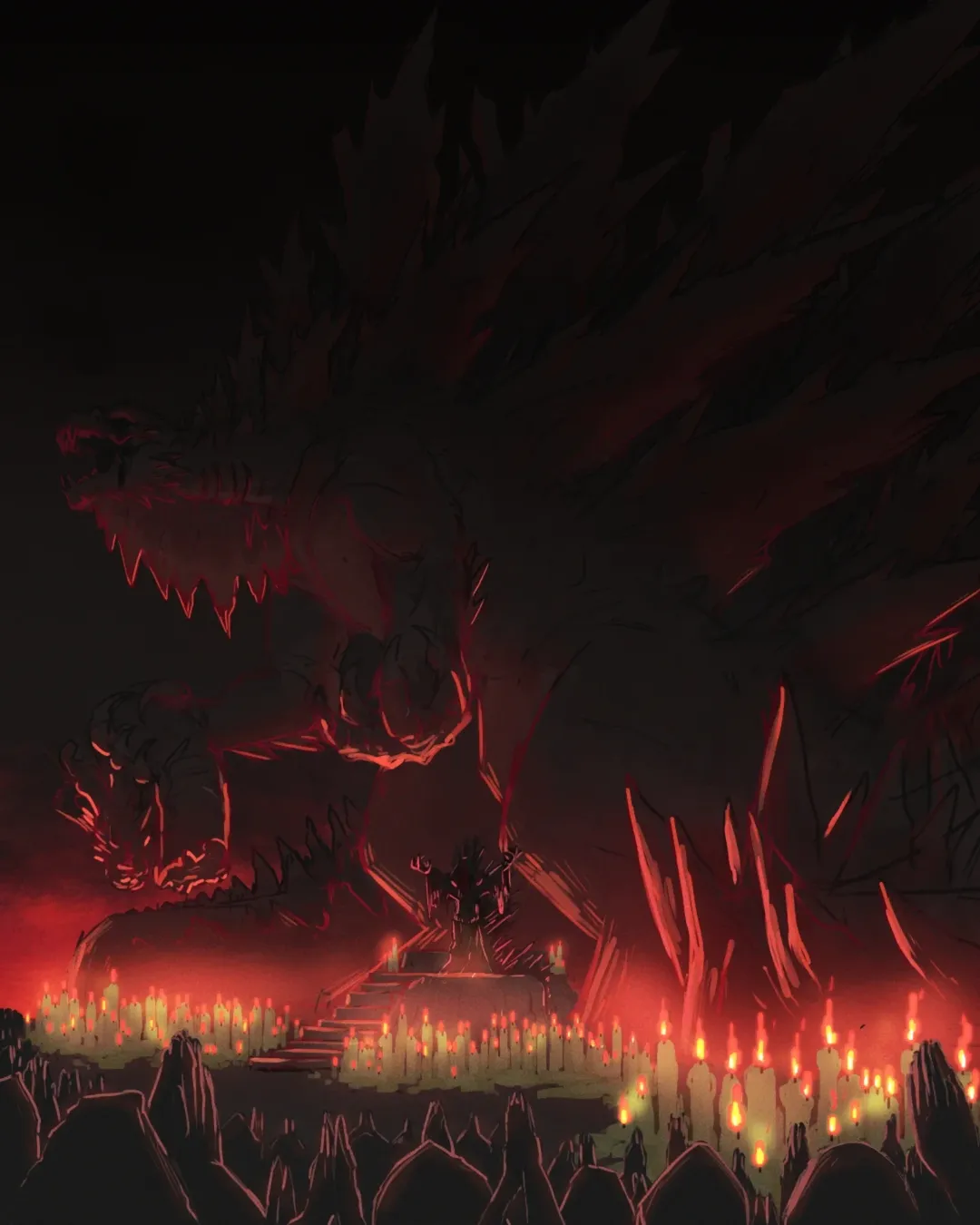
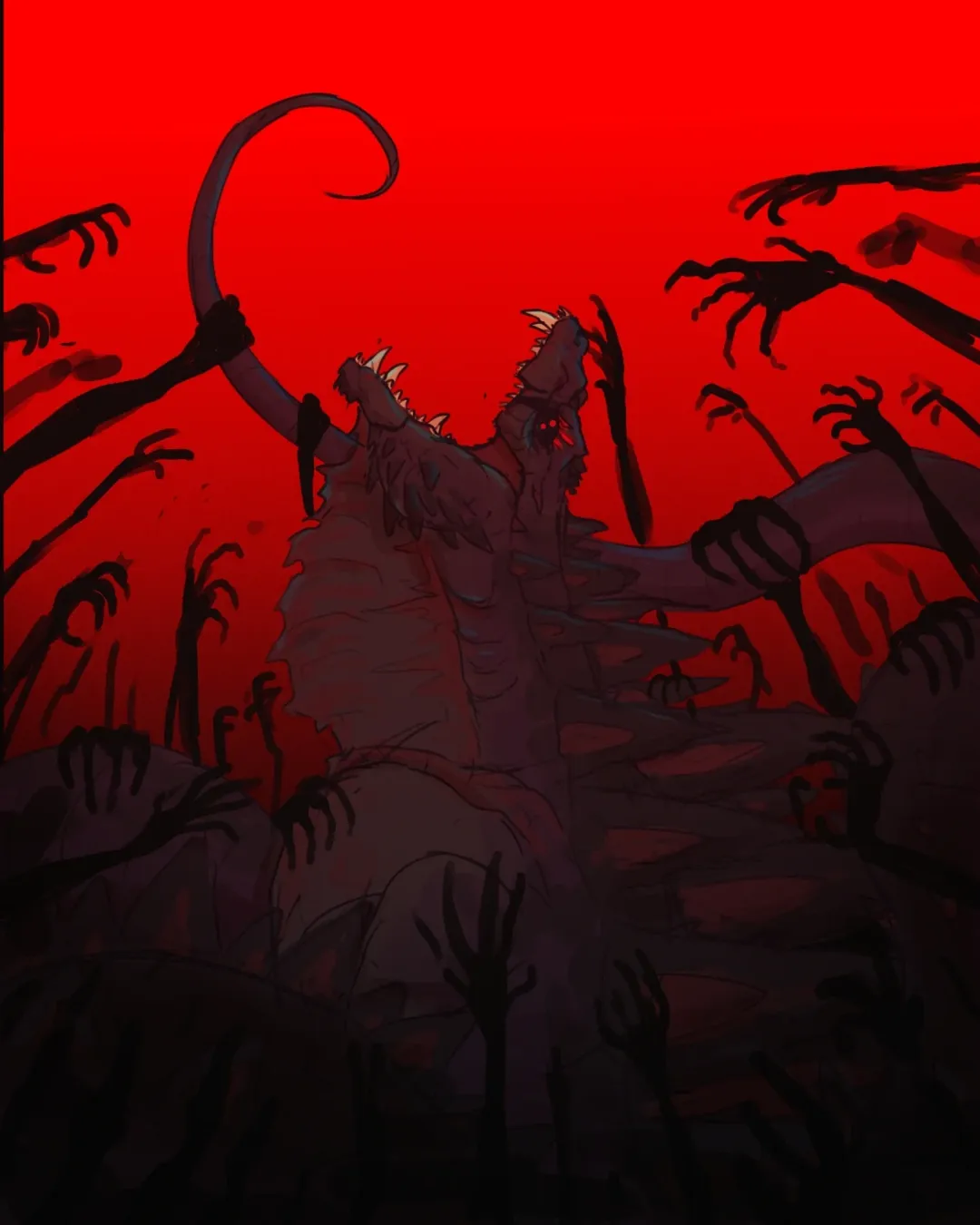
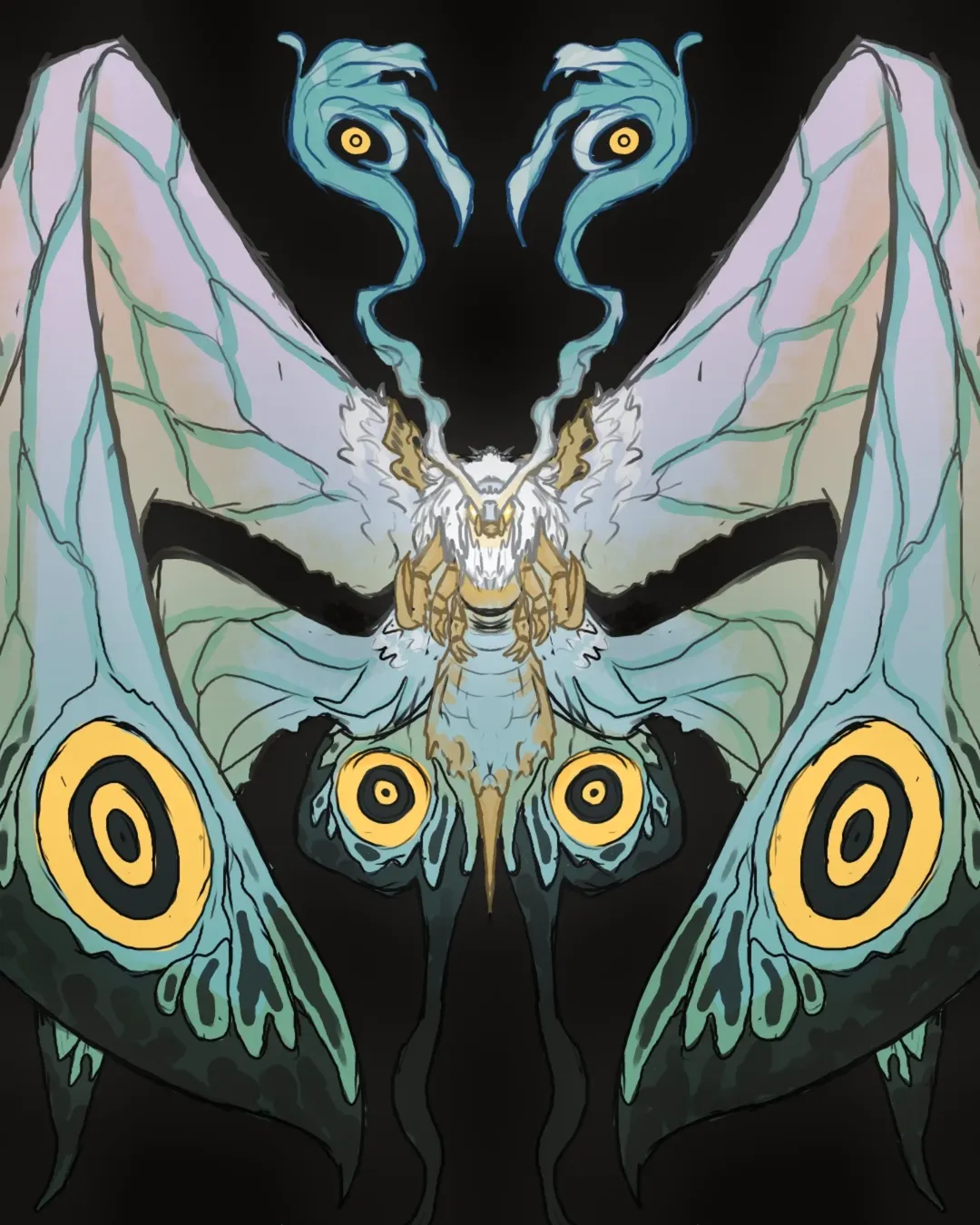
Haekal does not shy away from the word disturbing. In fact, he builds inside it. His work is in deep reds, heavy blacks, and stark whites, populated by skeletal, horned creatures. Where some people see something unsettling, he sees possibility.
He has been drawing since kindergarten, but the foundations of his aesthetic were laid long before he understood it as one. Dinosaur documentaries, kaiju films airing late on television, fossil studies, monster media, and horror clips found through unrestricted internet access as a teenager. Dragons and dinosaurs filled his early notebooks. What began as creature design slowly evolved into an artistic style unique to him. The horror was never about gore for him but instead about the tension between fear and fascination.
Below, Haekal reflects on how his style changed, what shaped its tone, and what it means to create work that not everyone immediately understands.
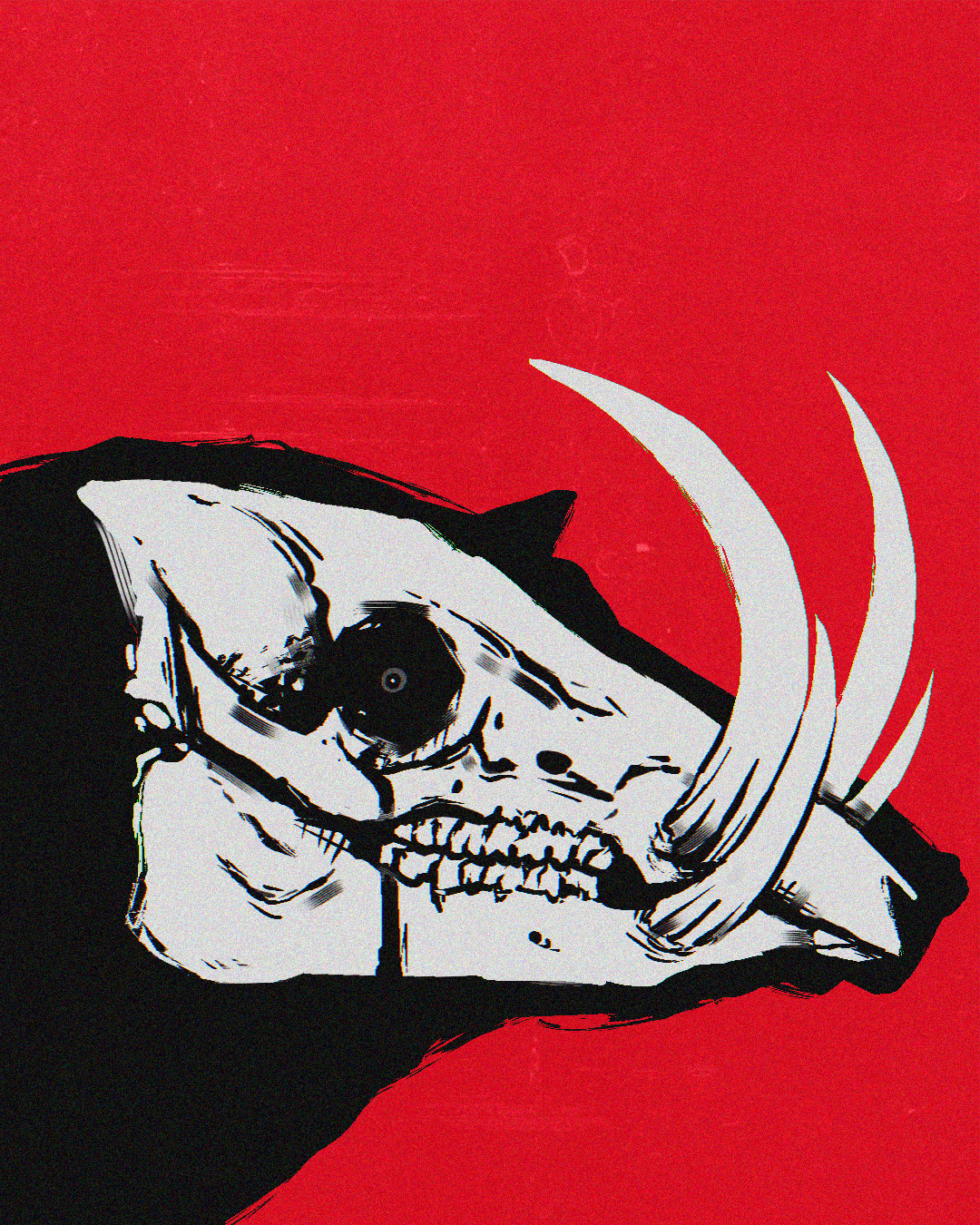
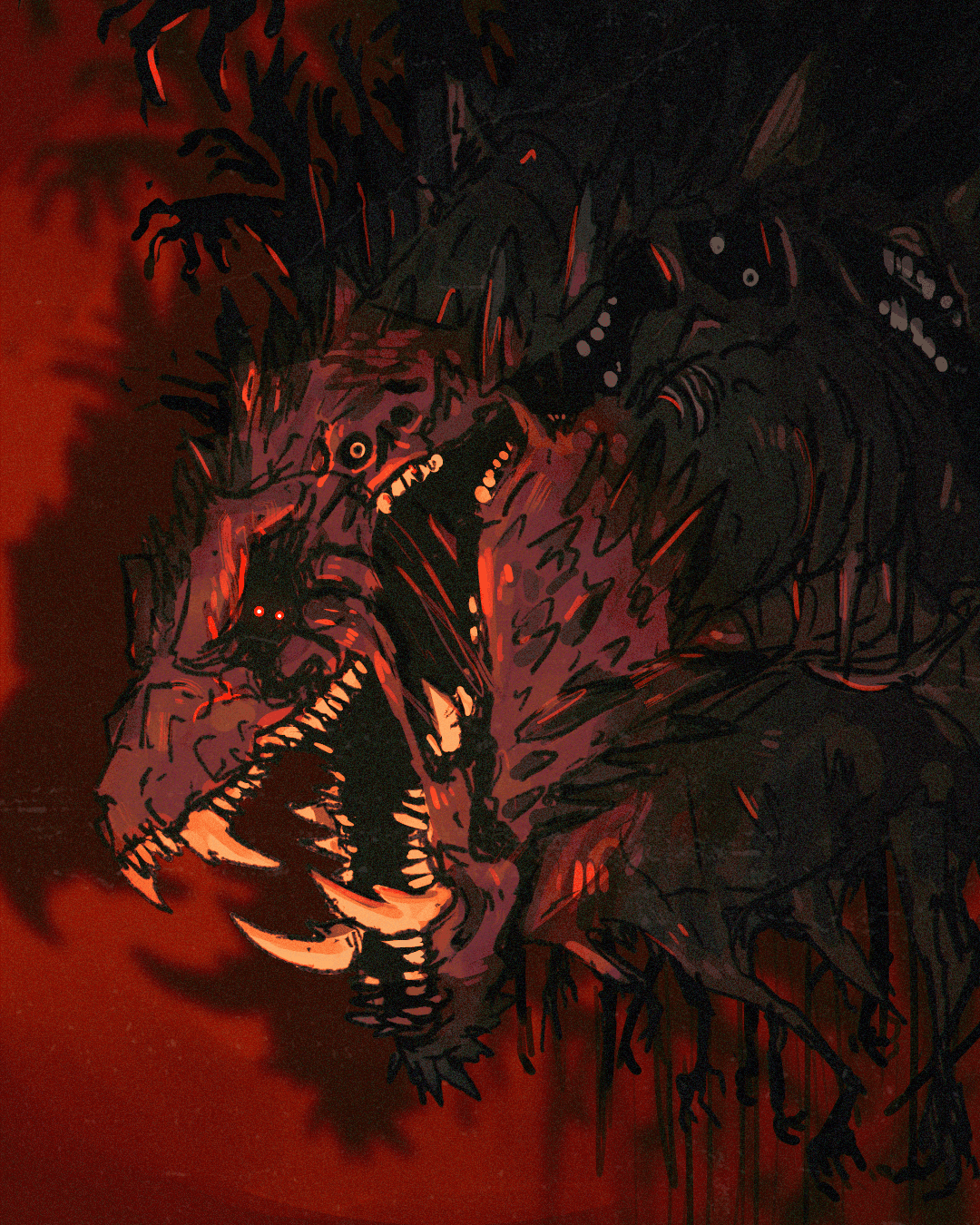
SONA 2, 2025
What is your artist's statement?
There's beauty in things that the majority see as disturbing; you just need to look at it from a different perspective.
When did you first start drawing?
I’ve been drawing since kindergarten; my artistic career began when I was a kid.
What were you making before your work shifted into these darker, fantastical figures?
At first, I only drew dragons & dinosaurs in my notebooks, basically creature design. I still do to this day, but back then, I was heavily inspired by the Dragon City game and the dinosaur documentary that aired on TV when I was a kid.
Was there a specific turning point that clarified your direction as an artist?
The first one is the animal, dinosaur & monster content and media I consumed when I was a kid. I used to watch documentaries about dinosaurs, fossils, and living animals, and tld monster/kaiju films that aired on TV. Those experiences shaped my interest in art; without them, I probably would have had other interests.
The second one was definitely the first time I tried out digital drawing. My first digital art was part of my high school class assignment. On that day, we were told to draw something withPhotoshopp, although we only used a mouse, so the final product is nothing more than a “bad” attempt. But my parents saw the potential and got me a drawing tablet that would kick-start my art career.
And the third one is quite recent, actually. I used to be obsessed with making my artwork full of detail, to the point that it became over-detailed and cumbersome to draw. Back then, I used to think the more details, the better-looking artwork (it's not). But now I'm finally able to step back from the details of the problem, and I'm the one pointing out the artist. The details and the take were taken from the art piece, and the fin piece is much better than before.
When did drawing become something more than a hobby for you?
Quite recently, decided to start taking commission orders. Because a lot of people have been asking for some time, a few friends have also encouraged me to do it, and I see the potential for it to be extra cash while doing what I love. And so in July last year, I officially opened my commission.
Did anyone in your life encourage or discourage this aesthetic early on?
Most of the comments or responses I get early on my art journey are negative or disapproving. Because my art style is rarely seen or used where I grew up, not conventionally beautiful, and “trying to look edgy,” some would say.
Although the darker aesthetic only truly began to show up or ca,nandlearly be seen a cou,ple of years after I started my digital art journey, and al everyone is supportive of the style that IBuusethere's some people that see it as “too disturbing” or even “satanic/demonic” at times, which is surprising because my early work is horror coded at most.
But people that I've met online and those close to me have shown nothing but support, and I'm thankful for that.
What early influences still show up in your work today?
The dinosaur and kaiju/monster media I consumed when I was a kid, and the various horror media I consumed in my teens.
How has your style changed from your earliest work to now?
My art style has undergone many, many changes since my first work. Starting crappy notebook drawing, flat early digital, trying too much, and the current style, which, in my opinion the best it has ever looked.
I started out drawing dragon and dinosaur doodles in a crappy notebook & drawing book, then moved on to a boring digital drawing from someone who was just starting, and then became obsessed with details that only made the piece worse. Then, around early high school, I started taking art seriously. My style mainly focused on creature design for a while, with some scenic pieces once in a while.
When I moved from traditional to digital, there was a drop in the art style. where the style and detail are worse than before. But as I pushed on, an art style slowly emerged. fa rom flat drawinging my own uniart styletyle.
A glow up happened in the middle of the COVID lockdown. where i starting to experiment with my artstyle, where i tries different lineart methods, wilder ideas, and starting to understand rendering & painting
And lastly my newest artstyle. This is the best it has ever looked because I'm not obsessing on every tiny detail but focusing on the bigger picture, I'm finally comfortable & enjoying the messy look, and capitalizing on the horror aspects.
What personal experiences, if any, shaped the emotional tone of your art?
Most of my work has a dark, depressing/pessimistic, or even disturbing tone to it, this kind of tone came from my childhood to teenager years. Back then I was a really quiet kid, a nerd, had almost no friends and obviously got bullied. Resulting in me being depressed through my whole teens, in turn makes me use the internet as an escape from reality.
In those times I'm someone with unrestricted access to the internet, and what better way for a bullied kid to do with their free time than watching disturbing stuff on the internet (like horror movie clips, ghost sightings, gore clips and the list goes on). It's edgy/emo coded, and yes i totally agreed but i did help shape the dark tone that I often put in my work.
I believe in those times where I consumed horror/disturbing media like never before is a coping mechanism. Where most people find it disturbing or scary, I find the horror genre to be interesting and full of cool/fun concepts. And overtime that habit changed from coping to inspiring me to create my own horror coded artwork. But rather than disturbing in a gross way like gore and something along the line, I choose something more philosophical or emotional.
“There’s beauty in things that the majority see as disturbing, you just need to look at it in a different perspective.”
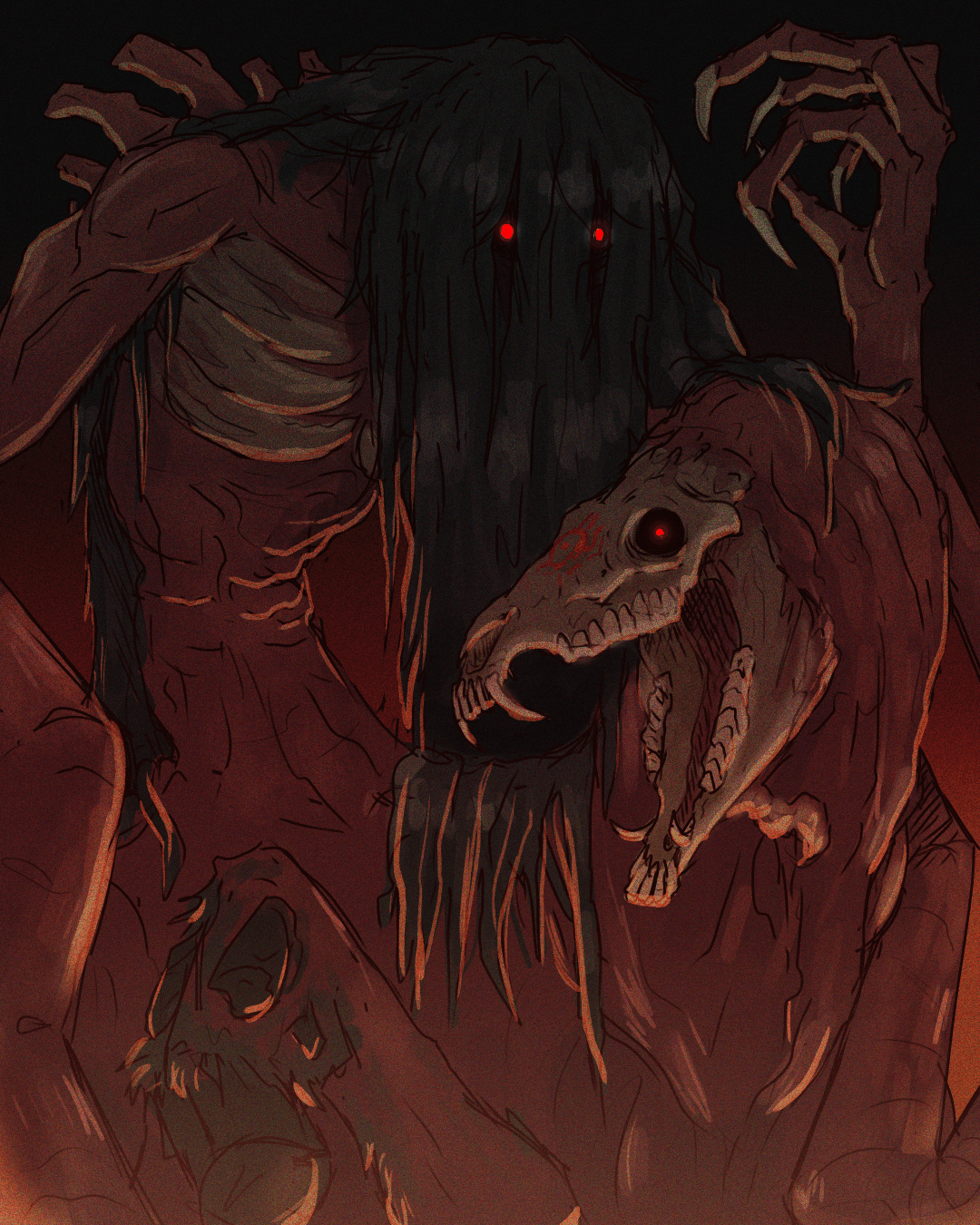
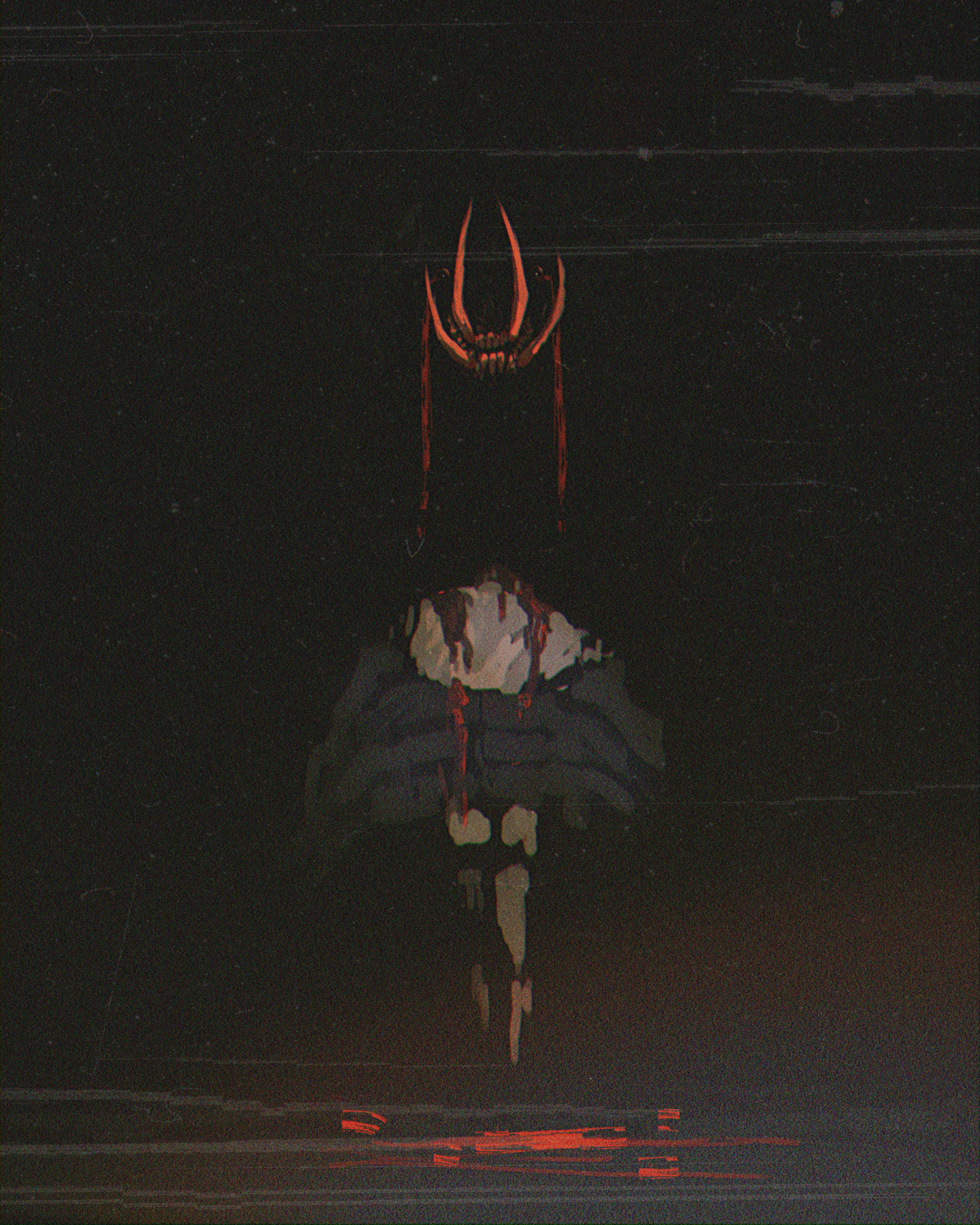
NUKLELAVEE, 2025
Do you see your work as an extension of your personality, or as something separate from you?
I personally think my work is an extension of myself in some way. Most of my work has some meaning and is inspired by something that I have experienced.
Are these creatures symbolic, narrative-based, or purely instinctual in their creation?
Most of them are narrative-based or Instinctual. Except for a few. The most often artwork/design that I shared on social media used a narrative-based or Instinctual while making them. I usually do some research/study of a subject that I want to design like body structure, silhouette, and more. Although sometimes I also just turn off my brain while sketching and go with what I think would look cool on a design, and improvise later on as I work on the piece.
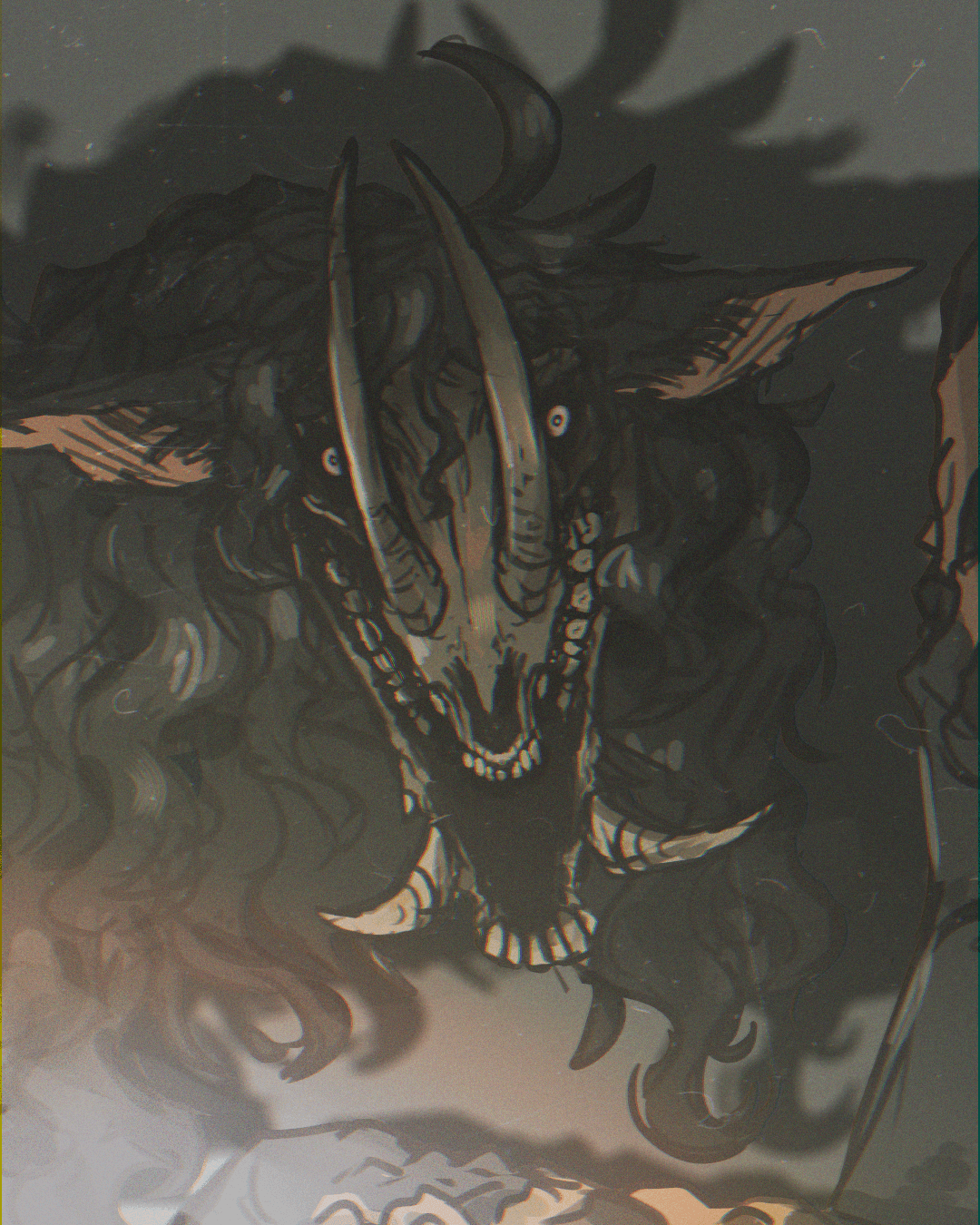
My sona design holds a symbolic meaning, the face as an example uses a babirusa skull rather than the living animal face that is far more expressivethano a skull that can't actively show emotion. This is because it is a symbolic way of saying I have a hard time expressing my emotion. There's also the “tear line” that basically holds a deeper meaning than just a design choice to look cool,but I also use it to show that there might be some backstory behind it that's not really a good one.
While most people want to show themselves as beautiful, handsome, and attractive. I choose to design my sona as a creature that some would say nightmarish because that is the way that I'm comfortable showing myself.
How has your work matured technically over time?
Definitely matured the most in the artstyle department.
At the beginning of my art journey I only did traditional art with limited tools (pencil, pen and book). At this time there's nothing special to talk about, it's mostly flat drawing with some light shading.
When I just got into digital art it was really messy, a lot of changes and inconsistency in terms of quality. I'm trying too hard to look cool. I have a mindset that everything needs to be clean or super detailed, and I must follow every rule/fundumentals to the letter. Basically I need everything to be “perfect” but end up making the piece look flat and bland.
As the year goes I often join in some monthly event where I need to draw everyday. This forced me to be more effective with my workflow, better time management, and even more creative with my concepts. In the end, I find the perfect balance between details for the amount of time that I put into an artwork without making the piece flat or overworked.
And for the recent year I've been more experimental with my work and art style, such as doing more illustration, painting, and concept design. At this point, I'm comfortable sharing unfinished/WIP artwork because many people are interested in my work process and in embracing the messy side of my art style. My newer work also aimed to have a story in it, not just look good but also carry a meaning and story behind it.
What emotions do you hope someone feels from one of your pieces?
It depends on which art piece honestly, because not every one of them has a deeper meaning.
The creature design type of artwork usually serves only as a ratia ve showcase of a design choice/concept, with little to no hidden detail that would lead to an emotional reaction, but rather to “oh wow thats cool design.”
The illustration or scene like piece on the other hand would have more intentional choices behind the artwork so im looking to create something more emotional. as for which emotion again depends on the mood/vibe of the piece, most of my work is horror coded so most of the time the emotion that I hope from the aliens would be fear, disturbed, uneasy, and uncanny feeling even but still have that fantastical feel to it that horror genre usually have.
Your work relies heavily on reds, blacks, and whites. Why that palette?
To me, the combination of red, black, and white is a really beautiful & versatile palette, even though it's only 3 colors. The white and black themselves create a strong contrast in my work, and the red helps set the mood/tone even more; it also keeps the piece from looking dull.
What does red mean to you in your compositions?
Red itself usually symbolizes intense, contradictory emotions, danger, anger, and warning.
I use red in my work as an indication of a strong/intense emotion behind the piece. The danger is obvious, since most of my work includes a “danger” to the POV, and, like the previous question, I do believe red to be very versatile.
Do you limit your color intentionally, or did it happen naturally?
Yes, I do it intentionally because I believe composition & clear silhouettes are the most prominent parts of my art style. It also forced me to be more creative in how I plan out the piece that I'm making.
Walk us through your process from blank canvas to finished piece.
Gather references & write down ideas that I want to try. I usually get my reference pictures from Pinterest. I either save the images to my laptop or just place them directly into my canvas.
Pick the canvas size/ratio. I usually pick between portrait and landscape depending on what the piece is gonna be. The portrait canvas is often used for illustration/poster-like artwork, and the landscape canvas is mostly used for scene or creature design.
Draw some sketches. After I have all the references, I make 3-4 rough sketches & thumbnails of how the composition or design is going to look.
Most of the time, I could do this in one sitting (a few hours at most) because the sketches are not detailed and are loosely drawn to save time. This stage is where the fun begins. I get to experiment with the ideas and references that I’ve gathered.
As for the sketch, I have two styles. I mostly used normal sketching with lines to create sketches with more detail and complex shapes. and the silhouette style, this one focuses more on shape & readability, with little to no detail and clear silhouettes.
After I'm done experimenting with the sketches, I usually pick one or combine the elements I like most from the different sketches into one final sketch. I sometimes also do rough color in this stage.
Polishing/Rendering (dependent on the artstyle: Lineart, Painting, or Freestyle). Here is where I do most of my work. In this stage, I do a lot of cleanup from the sketching stage. like adding the base color, drawing the lineart, or just skipping to rendering if the piece isn't too complex, and adding text if there is any message that I would like to include
Because my sketch usually comes in black and white, these stages begin with me adding color, gradually building details, and making minor adjustments as I work.
For an artwork like a creature design, I often do line art first, or just clean up the sketch, then add the base color that will serve as the base for the rendering stage. And lastly, the rendering stage, this one won't be much different from the painting art style.
Marinate. I usually leave the piece for a few hours to a day to gather my thoughts, make sure I'm happy with it, and run some quality checks before finishing it.
Finishing touches. This is the final stage of my creative work. In this stage, I add noise, filters/effects, and texture overlays.
“I used to think the more details equal a better looking artwork. It’s not. Now the details and the time that I took per art piece is balanced.”
What does your commission process look like?
My commission doesn't differ much from my usual process; it just includes a few extra steps that involve the client's input/thoughts. The steps that I currently use are:
Client places a commission order. They can either Dm me first or fill out my Commission Form with their order details (type of commission artwork, reference pictures, and commission details/explanation)
Waiting period. When I have a lot of orders, there will be a waitlist. I will give the client a rough estimate of the waiting period and update them when their order is up next.
I accept the order, discuss the details & payment. After I receive the order, I can accept or decline it depending on whether I'm comfortable taking it on and whether it's within my artistic range.
After that, I usually discuss the commission details with the client to confirm the order and the total commission cost to avoid any miscommunication.
As for payment, the client pays around 30% or more of the total, and the rest is due upon completion of the commissioned artwork.
Pick the canvas size/ratio. I usually pick between portrait and landscape, depending on the type of session the client orders.
Draw some sketches. I make some sketches & thumbnails of the composition using the references that the client sent.
Sending the Sketches to the client for confirmation.
Polishing/Rendering. After the client chooses a sketch they are happy with, they can begin polishing and rendering the artwork.
Sending the Polished/Rendered piece to the client for confirmation.
Finishing touches.
Final confirmation and second half payment. If the client is happy and there are no further revisions, then the artwork is finished, and the client can send the rest of the commission payment.
Sending the artwork. After I receive the final payment, I will send the HD artwork via email, and the commission process will be complete.
How long does a typical piece take you?
I usually take around 5-12 hours to finish rendered pieces, spread over 3-7 days. I rarely finish it in one day because I often take time to think/check if I'm happy with the piece or find parts that need fixing.
Fixing a doodle/messy art style usually takes a few hours max, because it doesn't have a lot of detail and the composition is pretty simple.
What part of the process feels the easiest for you? The first phase, sketching rough design ideas/concepts, is the easiest and most fun part of my creative work.
What part feels the most difficult?
The hardest part in my work is either finding an idea or the rendering stage.
Finding an idea that could work for a design and executing it on a canvas, and not abandoning it when it doesn't work out the way I had in my mind.
While rendering can be fun at times, I do have to push through the “ugly stage” and “believe in the process”, but it is usually really rewarding to see the piece slowly reach the point where I'm happy with it.
What programs do you use and why those?
The Art program that is used is nothing special and pretty basic compared to what other artists might use. Honely uses two programs (Firealpaca SE and Adobe Photoshop). But the limited tool forced me to be more creative with what I have and not be too reliant on shortcuts.
Firealpaca SE (Steam Edition) is what I used to mainly draw and do light editing. I originally used the free version because it's free and beginner-friendly. The program was simple to operate, so the younger me, who had just started, fell in love with it. It doesn't have overly complex tools and features compared to other popular drawing programs, but for someone who just got into digital art, it is more than enough.
I only moved to Steamteam editing (which is Steam recently) because it's more optimized, and the biggest thing that has me sold is the dark UI, out of all things. Because I draw almost everyday, looking at the white UI just eating at my sanity, I decided to buy the Steam version.
Adobe Photoshop is often used for more advanced editing, such as adding text and filters & effects that my drawing program doesn't have. I chose Photoshop because the tool's features are superior to those of the other programs I've tried.
How do you know when a piece is finished?
I usually consider an art piece finished when all the main ideas that I want people to really see are clearly visible, the value is just right, and I don't add anything to the work.
Are you someone who sketches obsessively, or do you prefer working directly into final compositions?
Honestly, I'm a bit of both. Sometimes I do a ton of sketches, sometimes just one sketch is enough.
For my personal stuff, I love sketches and doodles, no matter how rough they look. I make a lot of them, and this is a way for me to experiment, explore, and try out new ideas. I just love the messy process like “trial and error” that usually happens when I don't have a high expectation from something like a commission.
For the commission, it usually still has a messy process, but it would be more organized and have a clear goal, since clients usually already have a rough idea of how the piece is going to look.
How do you balance your own artistic voice with the expectations of clients when doing commissions?
When we’re talking about commission, client requests, and expectations are obviously the most important things, and I must find a balance between my art style and the client's request.
Before I take the commission, I communicate with clients to confirm details, offer suggestions to improve the artwork, or point out things that won't work in the final product. If they give the green light, I will proceed with the idea; if not, we will go back to brainstorming alternatives.
What makes a commission exciting for you?
The obvious answer would be money. But that's boring, the main thing. ThatI really love doing commissions is a response to clients' reactions, as characters come from them; some are artists themselves, but want their character drawn by others and are willing to spend cash on it, and I'm more than happy to give them the best I can offer.
If you had to describe your artistic philosophy in a few sentences, what would it be?
Don't let your trauma eat you alive, Use it as fuel and inspiration.
Haekal’s work does not ask to be immediately understood. It asks to be looked at twice. The skulls, the red washes, the hollow silhouettes are not there for shock, but for control, contrast, and expression shaped over years of trial and adjustment. What began as dinosaurs in a notebook and horror consumed in isolation has matured into something deliberate and balanced. In the end, his art is less about disturbing the viewer and more about reframing what disturbance can hold.
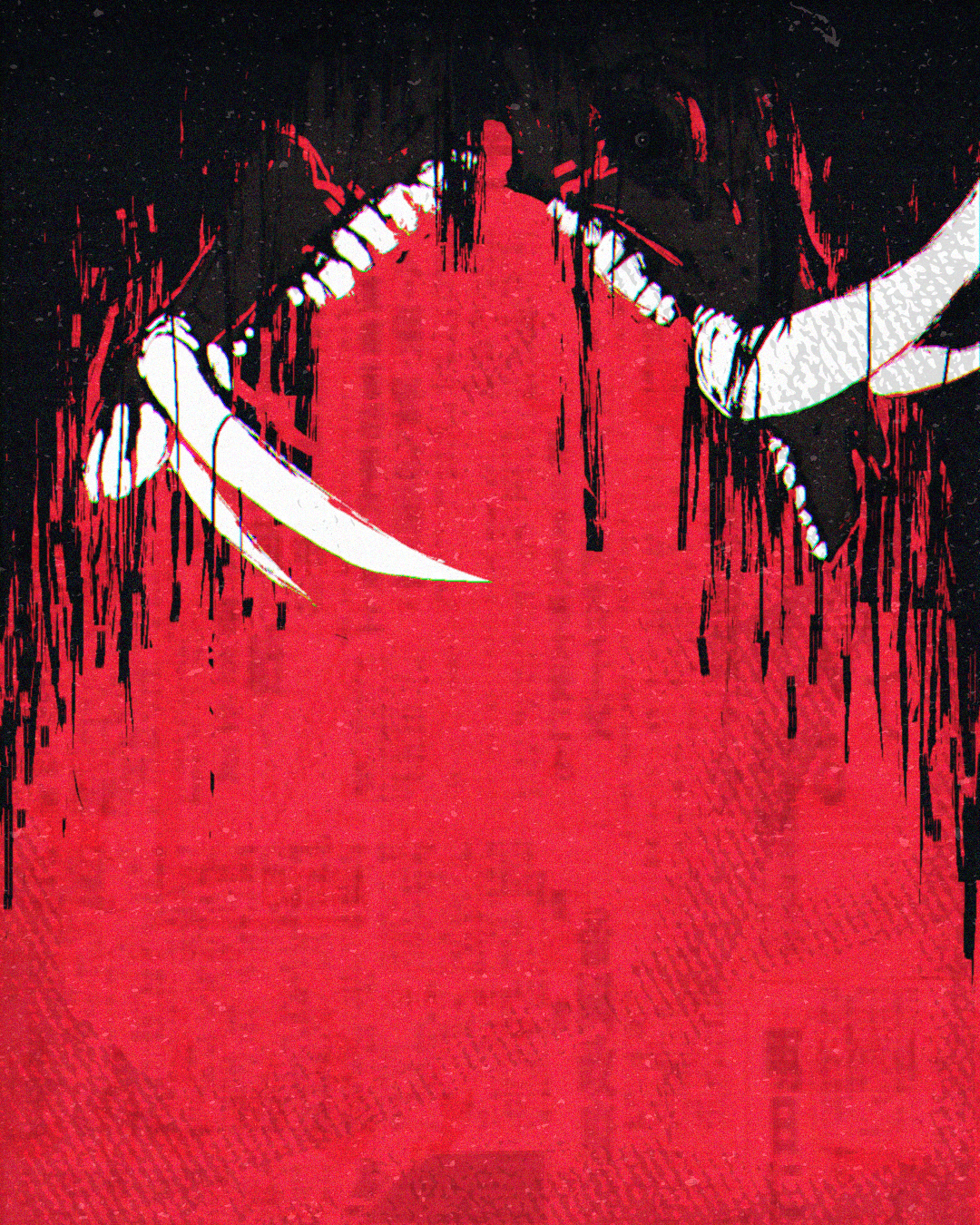
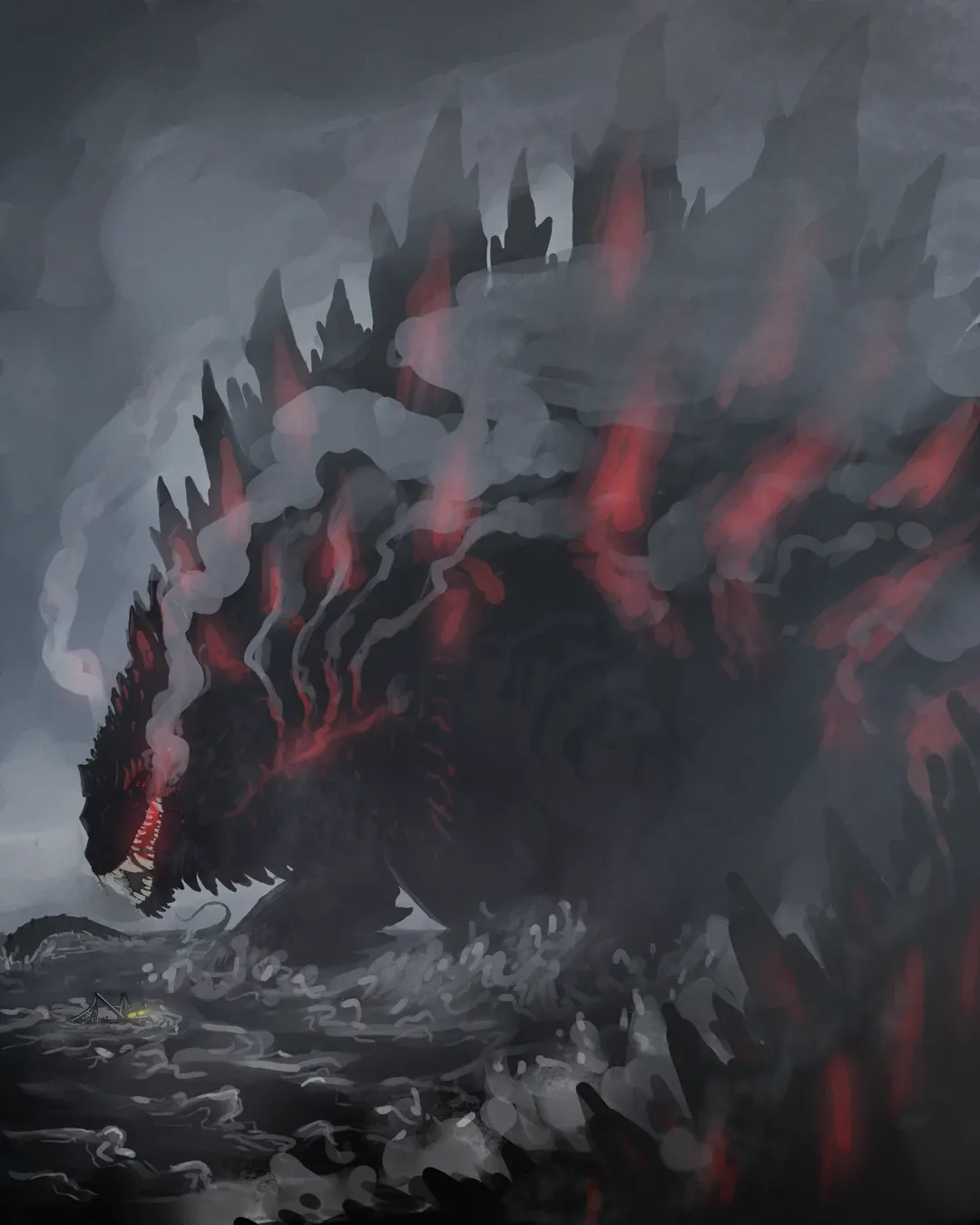
SONA 3, 2025
Haekal's artistic philosophy fits in a single sentence, the kind that takes years to earn: don't let your trauma eat you alive. Use it as fuel and inspiration. It sounds simple. It is not. It is the conclusion of a long process that started with a quiet, bullied kid watching disturbing things on the internet because the real world offered him nowhere comfortable to be, and ended with a person who has looked at everything that frightened or isolated him and decided to make something beautiful out of it instead. Not beautiful in spite of the darkness. Beautiful because of what the darkness taught him to see.
What Haekal has built is a visual language that belongs entirely to him. The red, black, and white palette. The skeletal creatures with their hollow silhouettes. The sona designed not as something attractive but as something honest, a babirusa skull that cannot show expression because that is exactly the point. Every design choice that could be read as aesthetic preference is also, on closer inspection, autobiography. He did not arrive at this style by studying what worked. He arrived at it by working through what was true, and the two things turned out to be the same.
His work does not ask to be immediately understood. It asks to be looked at twice. The viewer who takes that second look tends to find something they were not expecting: not shock, but precision. Not darkness for its own sake, but darkness as a container for feeling that has nowhere else to go. Haekal has spent years learning to build inside the unsettling, and what he has built there is, in the end, a home.