Digital Painting
Illustration
Design

Isabel Lauren Loewe
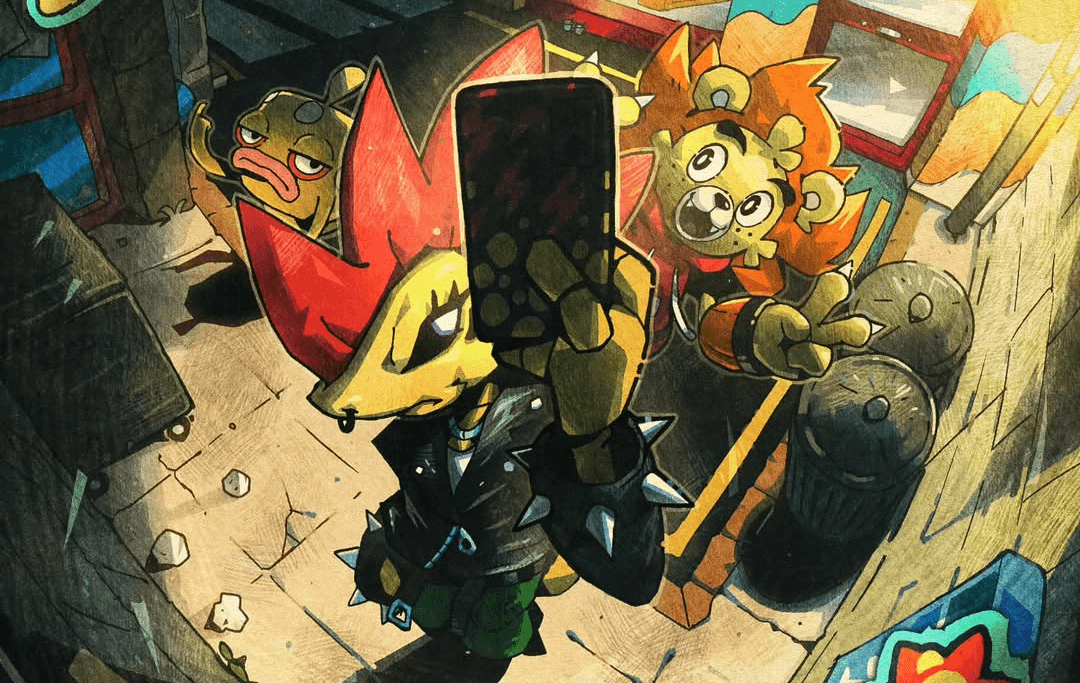
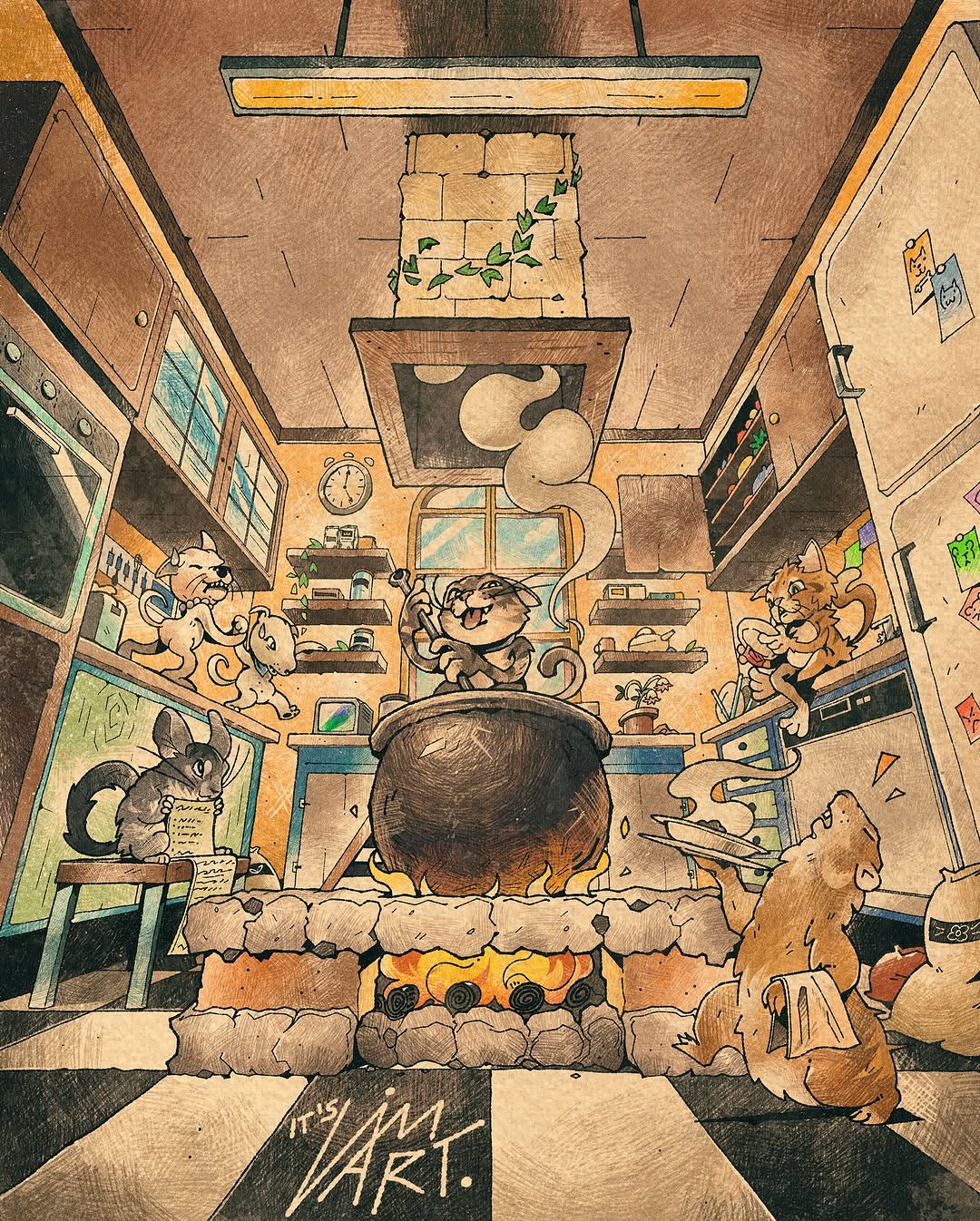
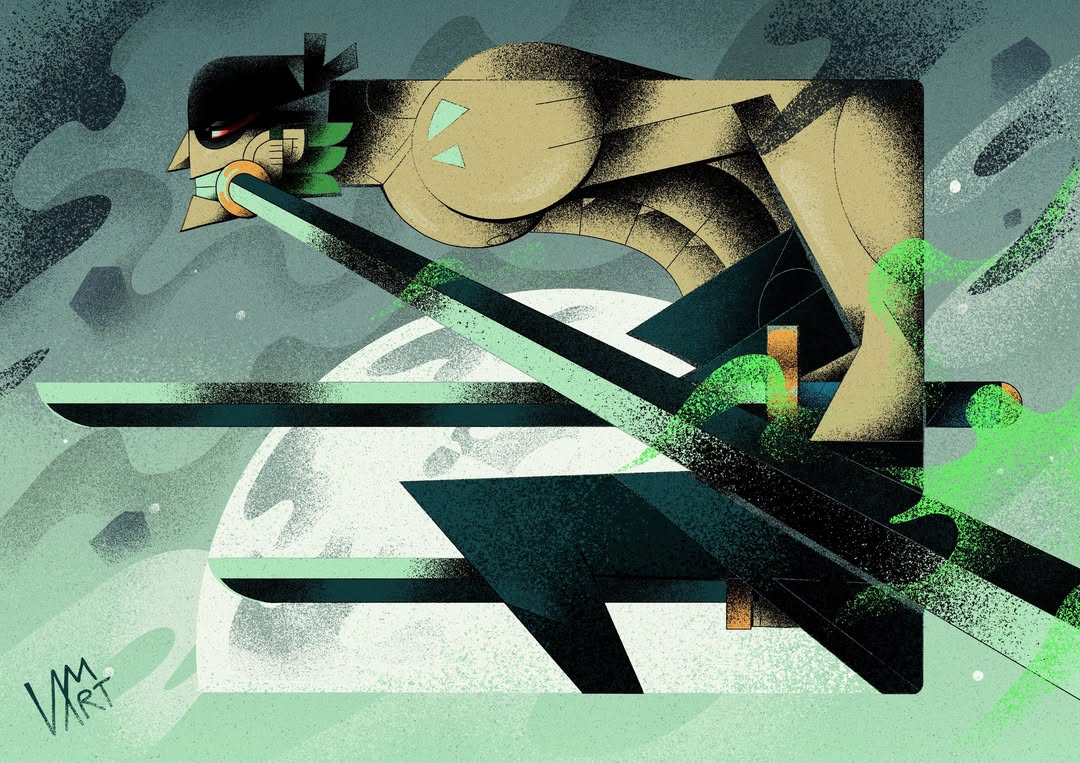
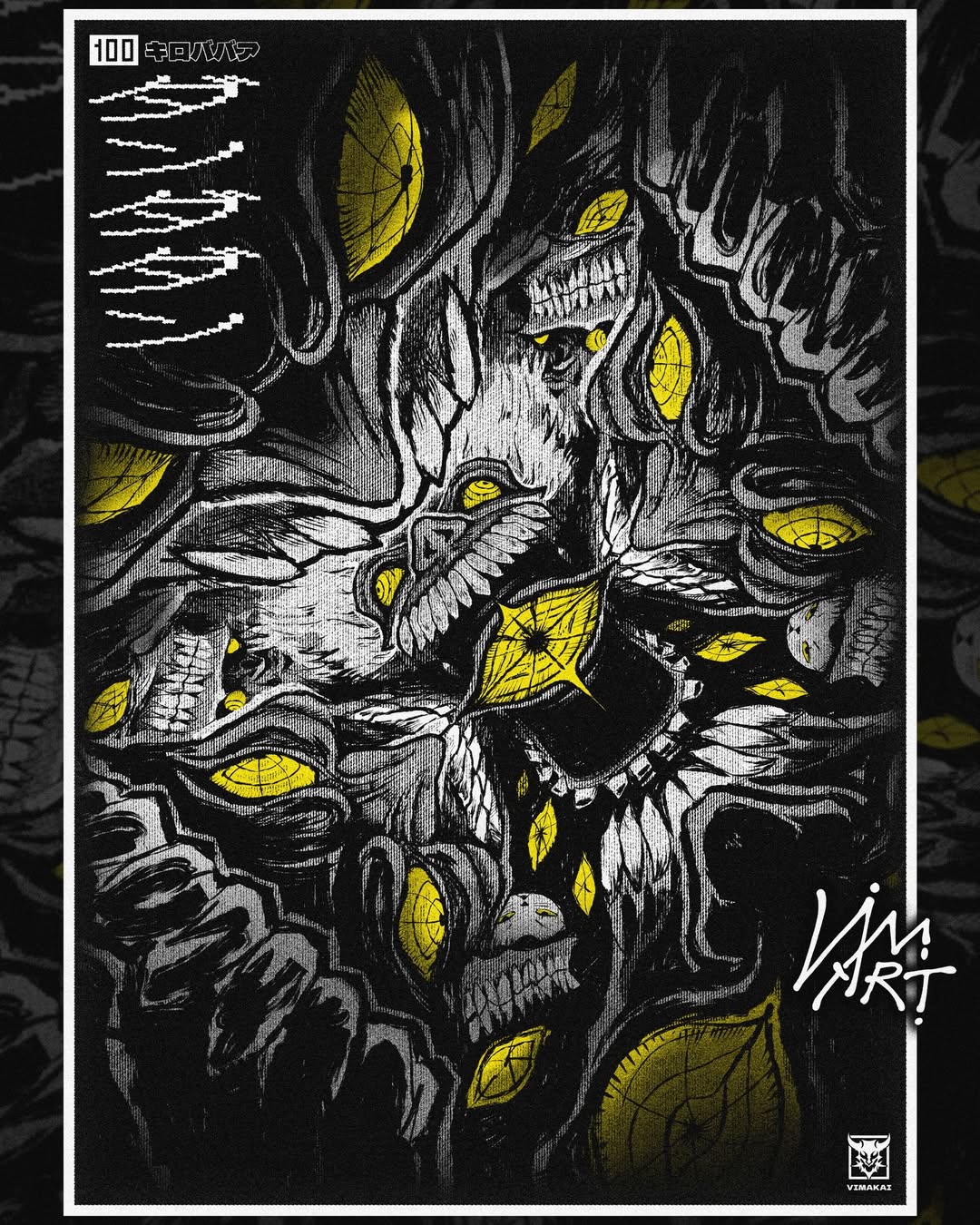
'Wano Alliance' by Victor Escudero
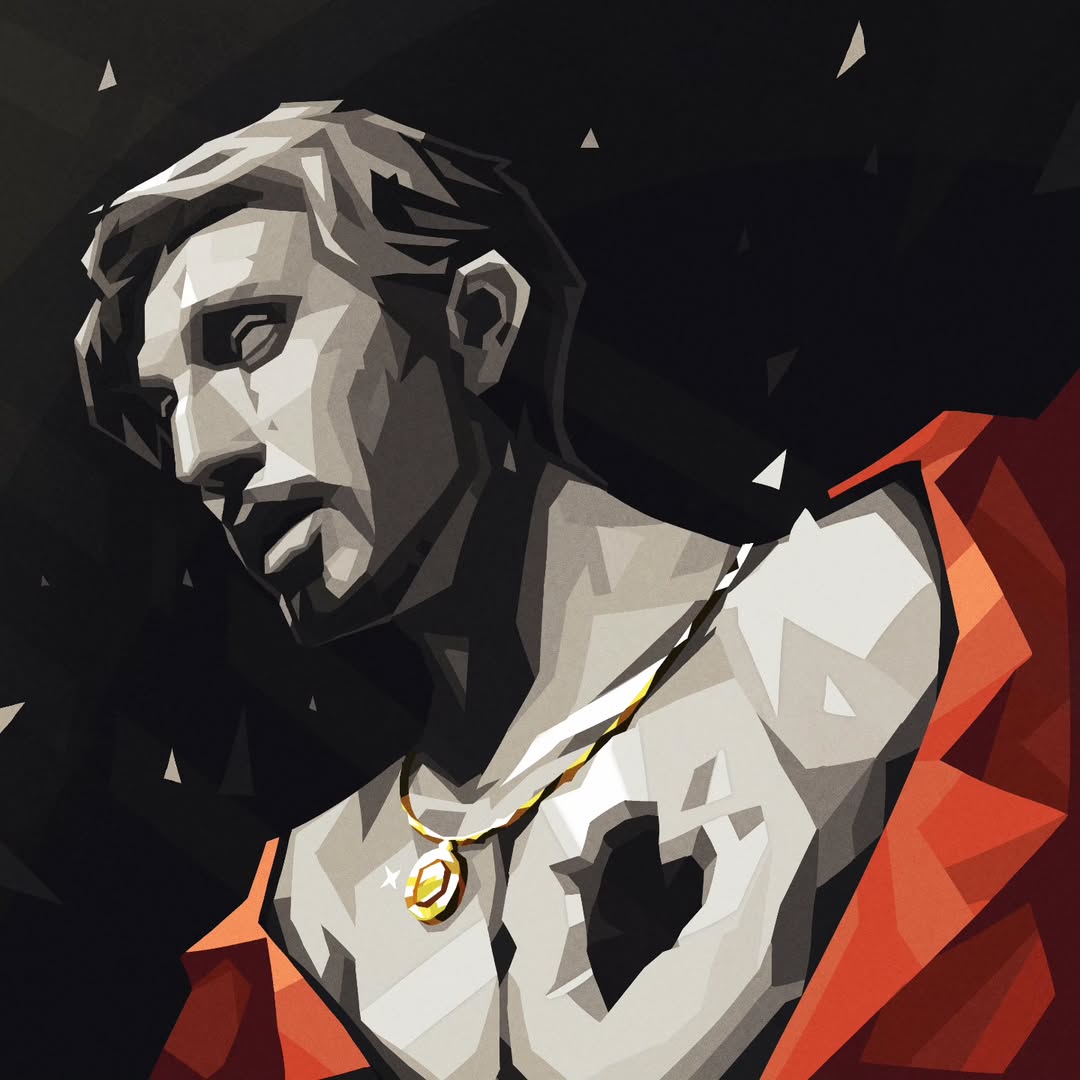
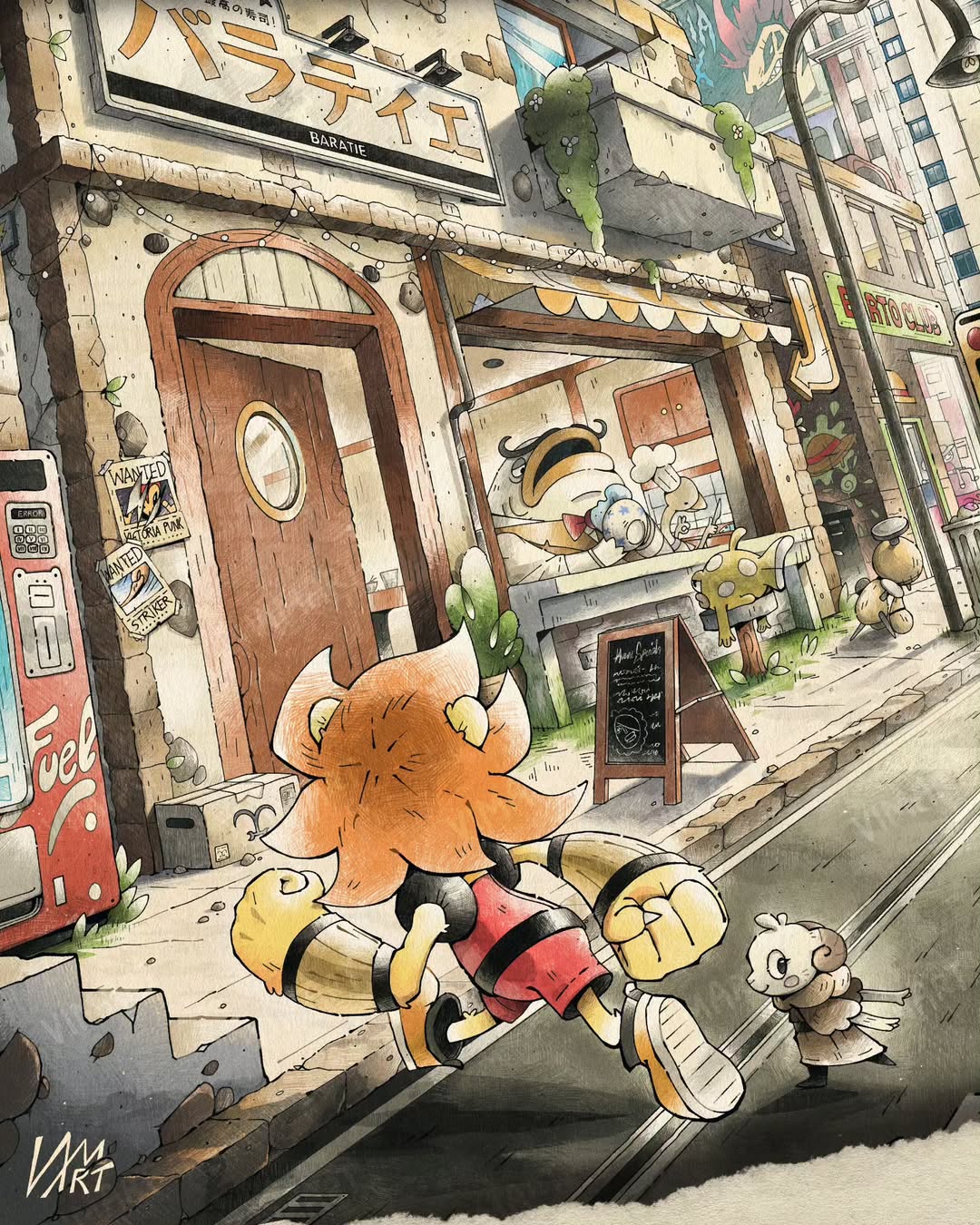
Victor Escudero, better known as itsvimart online, stepped into the professional art world eight years ago. Since then, he’s taken on roles from freelance illustrator to Art Director at Nostalgix TCG, created cover art for bbno$ and Ironmouse, all while building a multi-style portfolio online.
The Spanish-born artist has been propelled forward by his lifelong obsession with drawing, not a viral moment or a magic plugin. Inspiration drives everything for him. Sometimes he moves straight into a final sketch, and other times he starts with paper thumbnails or digital variations. The one thread running through his work is how he channels his thoughts and emotions directly through his hand and into his work.
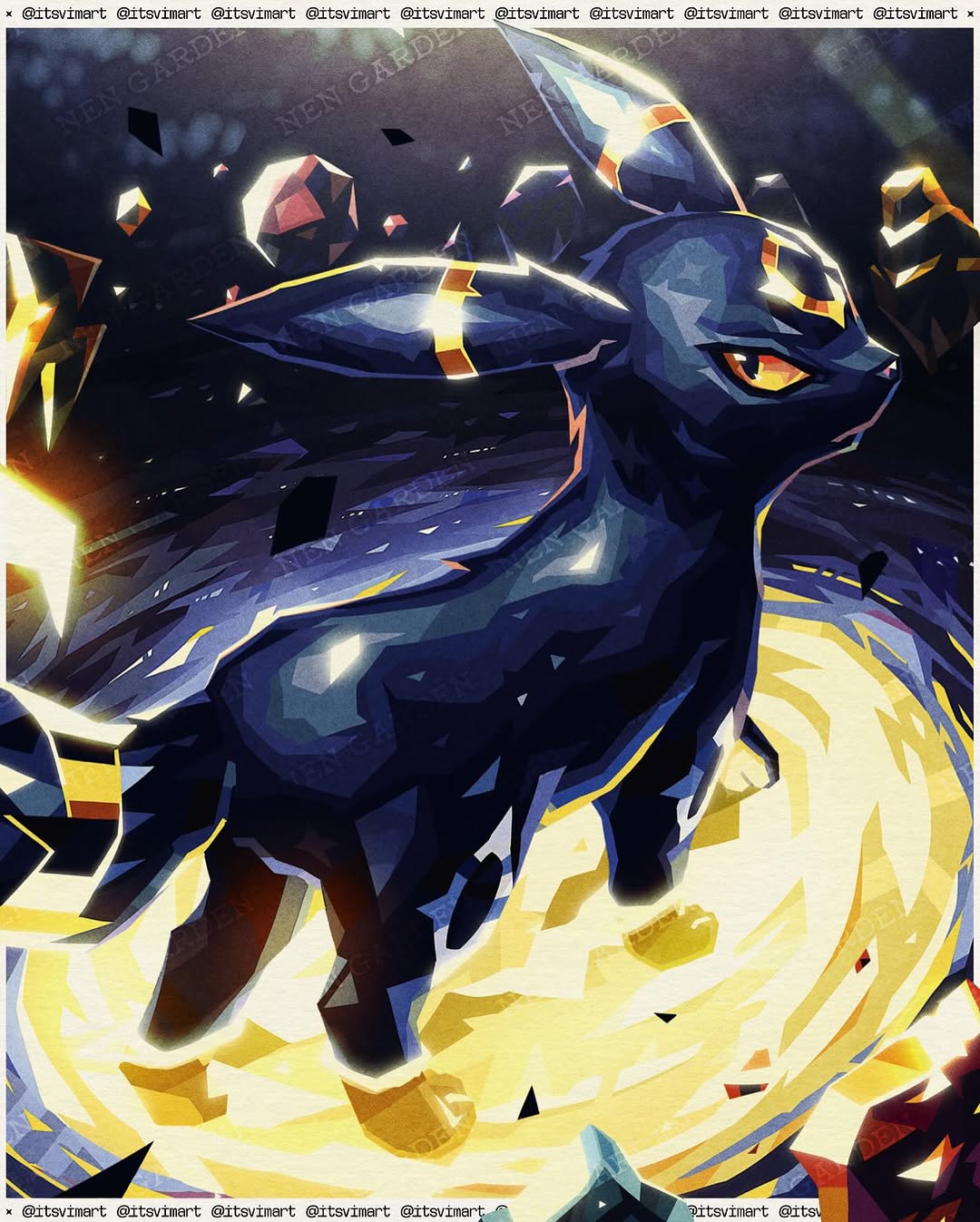
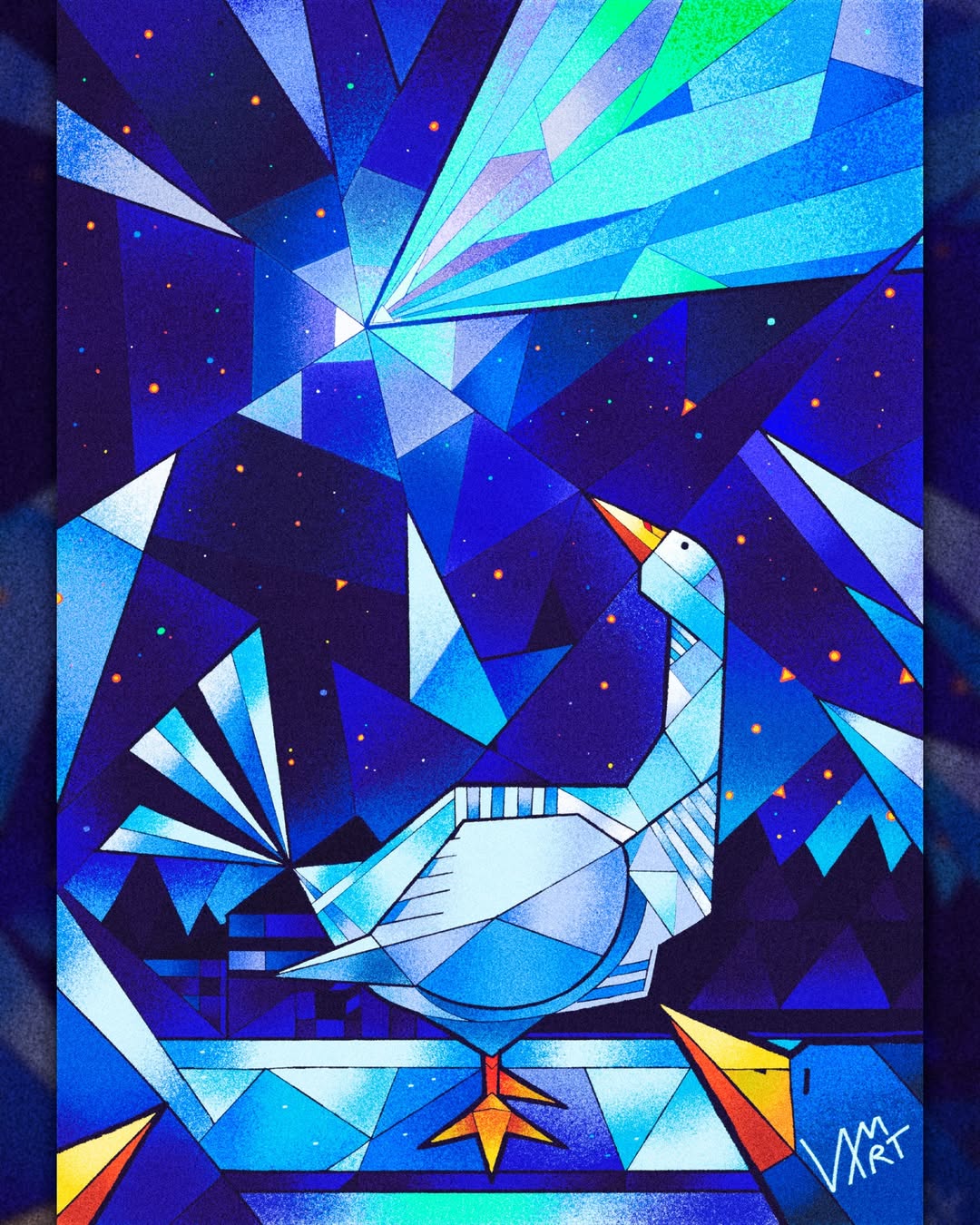
'Moonlight' by Victor Escudero
How do you typically start a new piece? Do you sketch ideas first or jump straight into digital tools?
Inspiration — everything depends on that!! Sometimes I have very clear ideas, especially when creating content for my social media, so I go straight into a final sketch. Other times, like when it’s a commission, the process is slower and requires more steps at the beginning (such as paper sketches or digital variations).
I use a lot of different styles, so the way I approach a piece can vary. If it’s something more geometric, I start with simple, general shapes. If it’s more line-based, I begin with a very loose sketch.
What does your visual storytelling process look like from concept to completion?
If there’s one skill I can truly highlight, it’s my imagination and the natural flow of ideas. Sometimes that can actually be a drawback, since starting a new project often comes with a rush of ideas that don’t always lead anywhere.
Let’s talk about personal illustrations (since commissions usually have clear guidelines). Any form of art is a source of inspiration for me. For example, every time I watch an animated film, it gives me a huge creative boost and sparks a thousand ideas.
I’m honestly terrible at finishing personal projects —one day I’ll show the ten-plus pieces I’ve abandoned— but the ones I do complete are all about flow. I focus on expressing how I feel and channeling all my thoughts, emotions, and inspiration directly through my hand.
When you’re balancing multiple freelance projects, how do you organize your workflow to stay consistent in quality?
I believe taking breaks and giving each project the time it deserves is really important. I often spend long hours on freelance projects, which can sometimes cloud my mind. So, if the deadline allows, I like to take a day or two off and then come back with fresh eyes — that’s when I can clearly see what could be improved and what I’m satisfied with.
It’s all about managing your time and not forcing yourself to rush things (whenever possible, of course).
"If there’s one skill I can truly highlight, it’s my imagination and the natural flow of ideas."
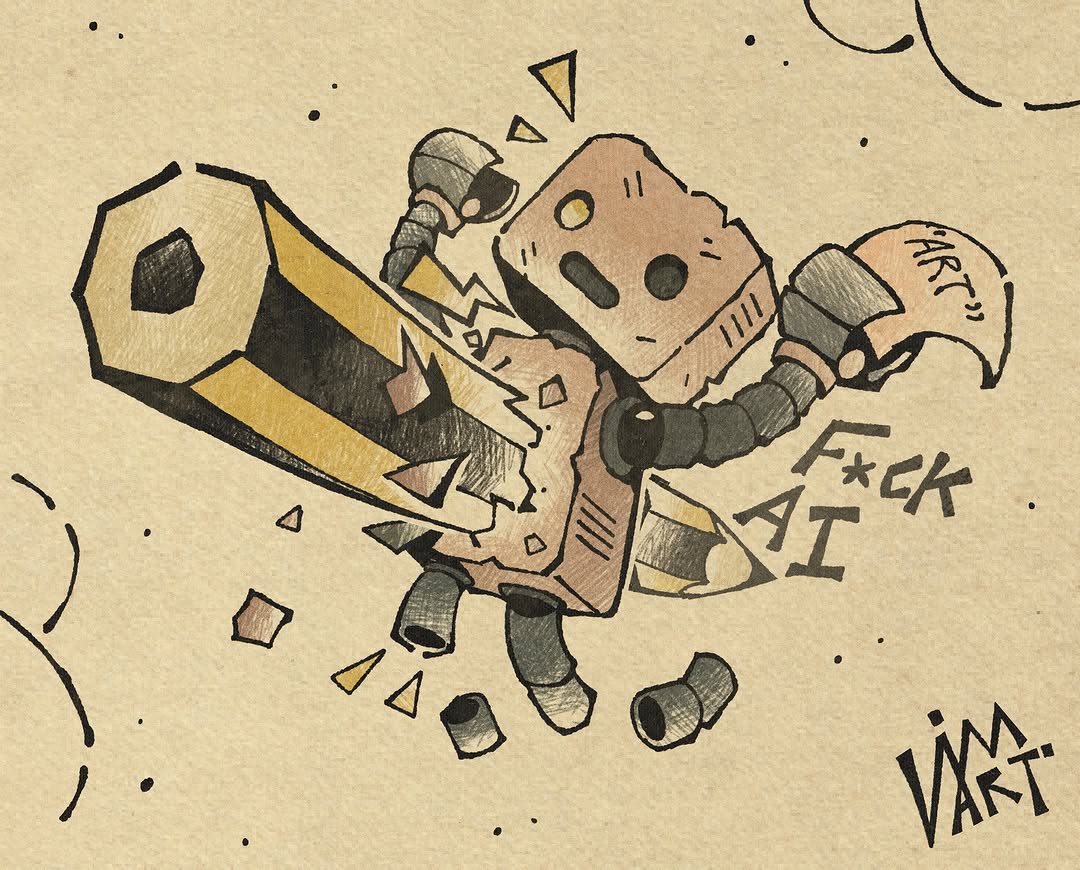
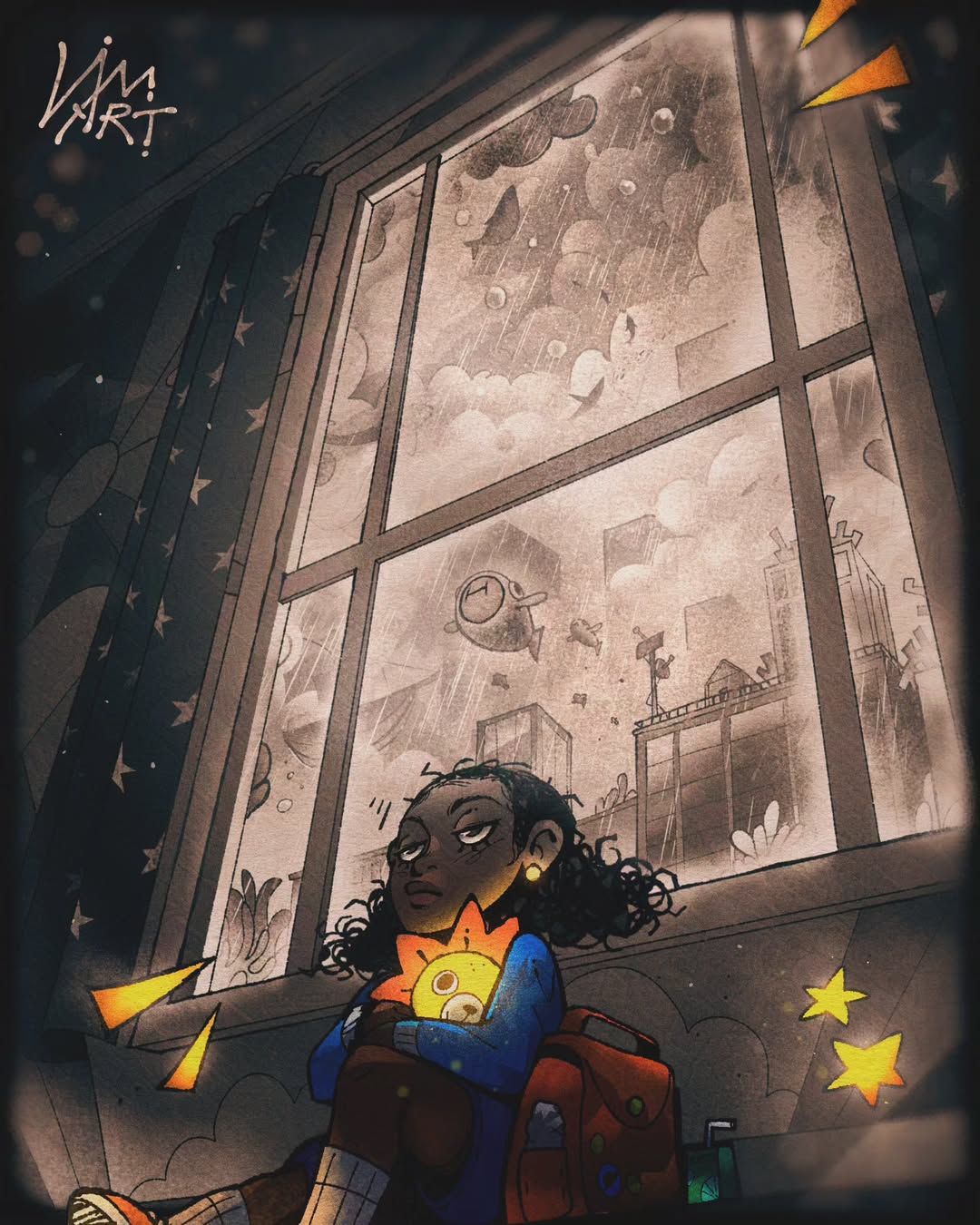
';)' by Victor Escudero
Are there any tools, plugins, or techniques that have completely changed the way you work?
Not really, I don’t use any tools or techniques beyond the basics. That said, I’ll always say that layer modes are a digital artist’s best friend!!
What was the story behind your first professional collaboration, and how did it shape your career path?
I don’t quite remember what my first professional collaboration was, but I’d like to highlight my time as Art Director at Nostalgix TCG. It was exciting to be in charge of a team, and it taught me that my dream life as an illustrator is achievable with hard work.
Can you tell me about a project that pushed you out of your comfort zone?
The cover art of bbno$’s single “mary poppins” — the amount of detail really pushed me out of my comfort zone. Even so, I like challenging myself with every piece. Working in so many styles teaches you a lot!!
Working with clients like bbno$ and Nen Garden, is there a project that still sticks with you emotionally or visually?
I’d highlight two projects: the cover art for “1-800,” a single by bbno$ feat. Ironmouse, and a Don Quixote Doflamingo playmat design I did in a comic style (for Nen Garden), which I absolutely loved. I remember both projects fondly because I really enjoyed the process.
Do you remember a specific moment when you realized you wanted to turn your art into a career?
Since I was very young, that’s what I’ve wanted. I’ve been drawing for as long as I can remember, and I have very wonderful memories of drawing my favorite Cartoon Network characters, making comics with my first OCs, and spending afternoons just drawing.
At first, it was purely for passion and enjoyment, but once you focus your life on a professional career, that becomes your choice!!
What’s one project that completely changed how you see your own work?
I titled that artwork “Human.” It came after a difficult time, and it was the first moment when I truly felt the flow. After that piece, I started playing more with shapes and enjoying art again.
After eight years in the industry, what’s the biggest creative realization you’ve had about what makes an image truly “work”?
Well, I think it’s important to make sure everything feels harmonious: the line, the color, the shapes, the intention. When you internalize all of that, the finished pieces just feel like they work.
"I’m a real, human artist, and I don’t need to explain myself to anyone. My whole journey speaks for itself."
How has your time as an art director influenced the way you now approach personal or freelance projects?
It’s helped me a lot, especially with staying organized and approaching freelance projects, working with clients, and meeting their expectations. Seeing how other artists work is always helpful and teaches you a lot, so that’s been really valuable too!!
What’s something you’ve learned about yourself through your art?
It’s not literally about myself, but it’s the greatest lesson I’ve learned, thanks to art, is obsessing over perfection is never good; there’s beauty in imperfection. I’m very perfectionistic and organized, and I used to be overly so. Art has taught me that mistakes have a unique beauty: they’re human. I used to obsess over creating the “perfect art.” I admired certain artists and tried to become like them, but it only pushed me further away, because I was turning art into something unnatural — a 1:1 clone, without any feeling or intention.
Was there a mistake early in your career that ended up being an important lesson?
Tracing from photos. I’m talking about my early work, stuff I’ve deleted that I don’t really feel represents me. I did it a lot because, basically, I didn’t know how to draw yet, but I learned a lot that way too. Later, I learned about anatomy and shapes, and honestly, the transition was pretty easy for me.
Do people ever assume your work is entirely AI-assisted or easy because it’s digital?
It’s inevitable, but I’ve come across AI accusations, and there’s a common belief that digital art is “easy.” I know what I’m doing, I’m a real, human artist, and I don’t need to explain myself to anyone. My whole journey speaks for itself.
What’s the hardest part of freelancing that you think gets overlooked?
The work most of us freelance artists do involves managing social media, answering messages, handling commissions, and keeping track of calendars, deadlines, and content. It might not seem like it, but most freelance artists are juggling a lot of roles at once, and that can get really complex.
When have you felt like your style or direction was misunderstood, and how did you deal with that?
Yes, it’s happened to me, and it’s really as simple as talking it through — there’s always a solution for everything.
When you think about your evolution as an artist, what visual metaphor best describes it?
This might sound a bit poetic, but I see my artistic journey as a field of flowers that blooms, fades, and transforms with every season. The beauty and naturalness stay the same, yet with each change, it feels different, and the flowers seem even more beautiful than before.
How do you handle creative blocks or periods when your ideas feel flat?
I like to consume other types of art or media. When my mind can’t take it anymore, I make sure to feed it and then let it rest. I try to keep a clear head and remind myself that creative blocks are common and are not the end of the world.
What’s your advice for artists trying to find their visual voice while taking on commercial work?
It’s complicated, but I think that little by little, it’s inevitable for even commercial work to help shape your visual voice. It’s a slower process, but I believe your visual voice can also be born from what you don’t enjoy, or from the things that pull you away from what you feel is truly yours.
Have you ever struggled to balance personal art with client expectations?
Not really. I’m very used to working with clients, and I feel like I connect with them really well. I don’t allow myself that same creative flow I mentioned earlier; instead, I focus on meeting expectations and making sure the art fully connects with the client.
How do you stay inspired when your art becomes your job?
Sometimes it’s challenging because not every commission is equally enjoyable, but I try not to get frustrated and instead focus on what I can learn from each project. Fortunately, I really love my art, so I make an effort to look at it with fresh eyes to stay inspired and motivated.
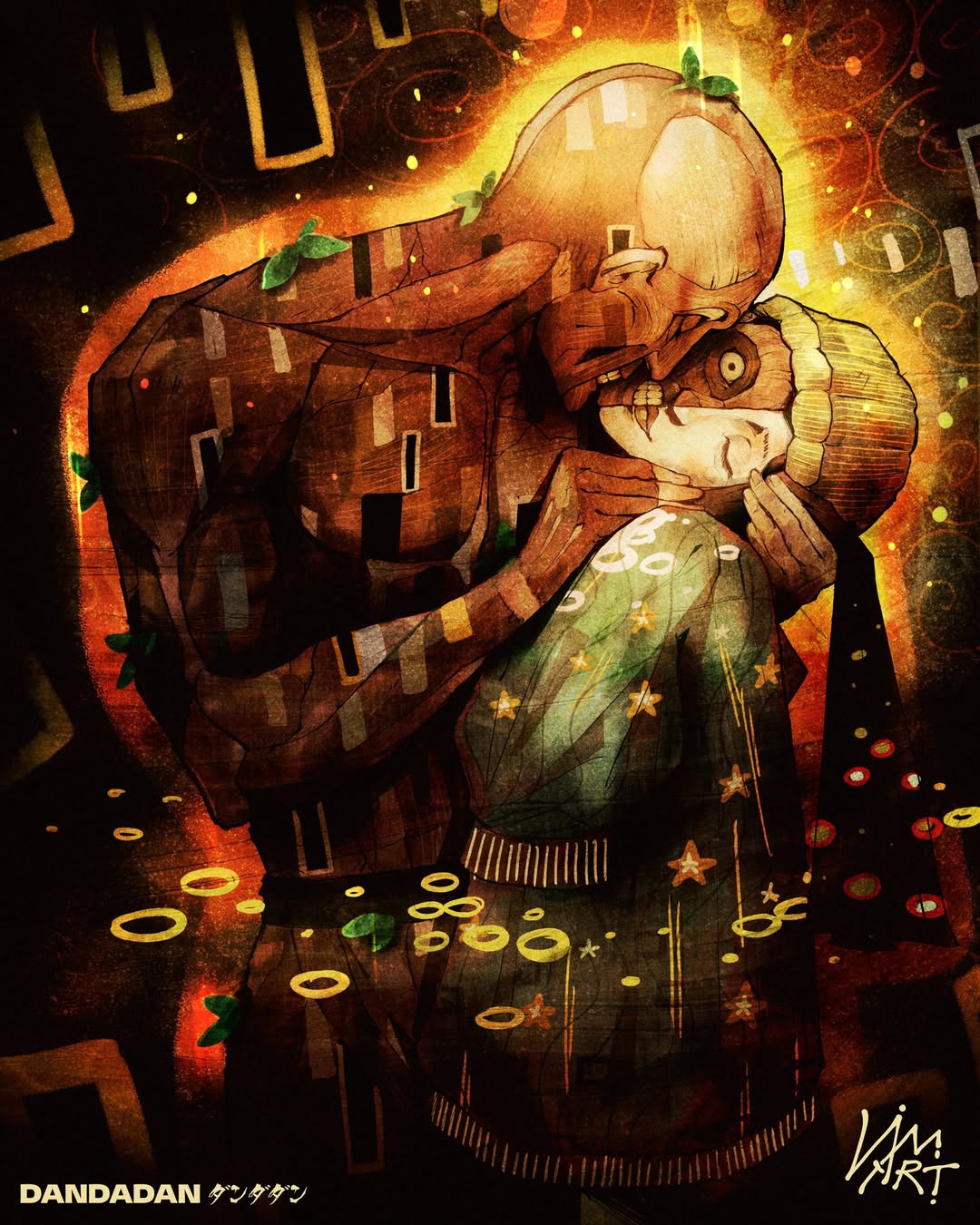
'The Kiss' by Victor Escudero
Victor Escudero’s work isn’t driven by polish or shortcuts, but by attention, patience, and trust in the process. After years of moving between personal work, freelance projects, and creative leadership, he’s learned that the images that resonate most aren’t the ones chased into perfection, but the ones allowed to breathe. His approach is grounded in flow rather than force, curiosity rather than control. In a digital landscape that often prizes speed and spectacle, Victor continues to build a body of work that feels unmistakably human—imperfect, intentional, and quietly honest.