

Photography

Isabel Lauren Loewe
'Untitled', 2026
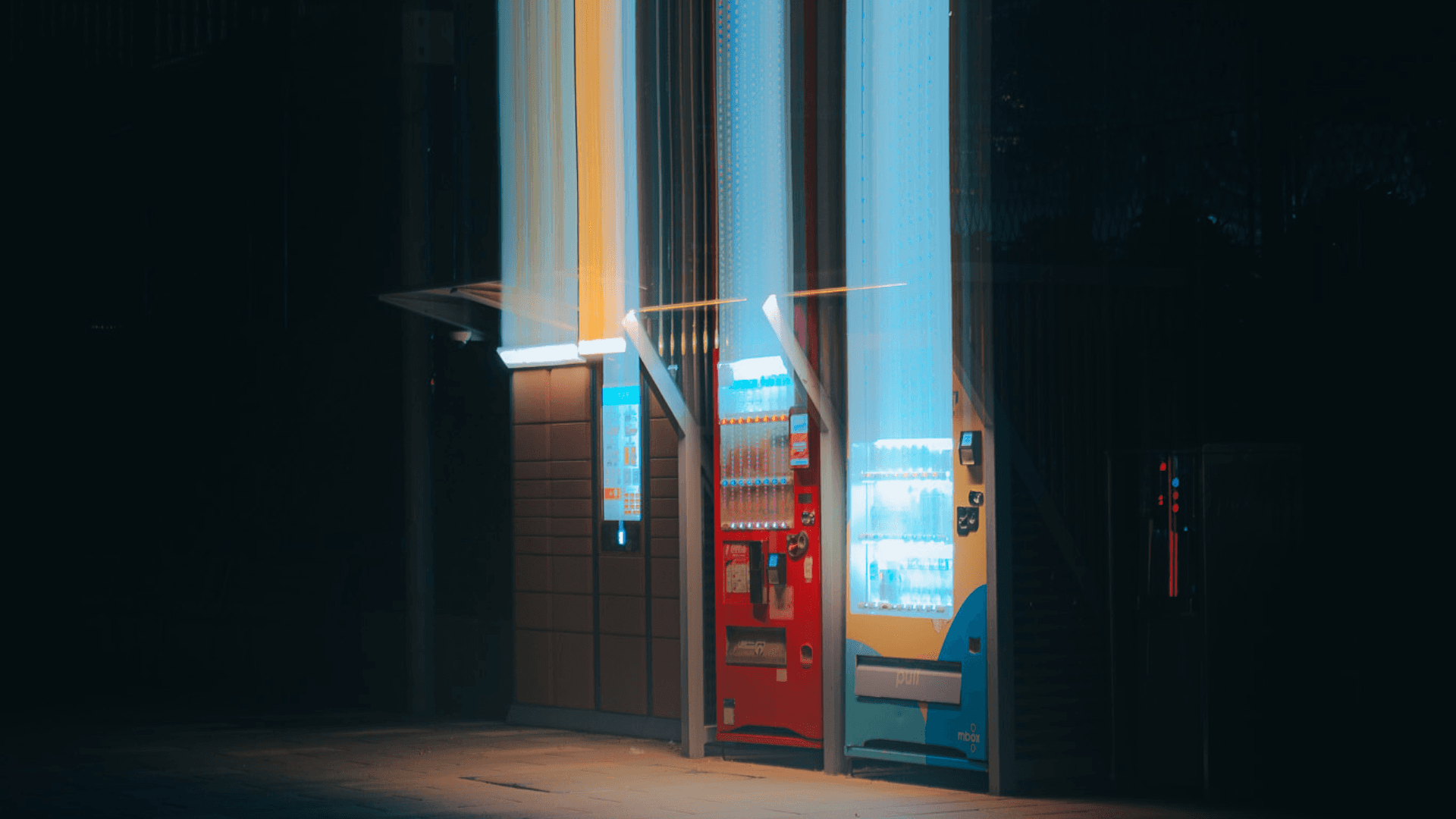
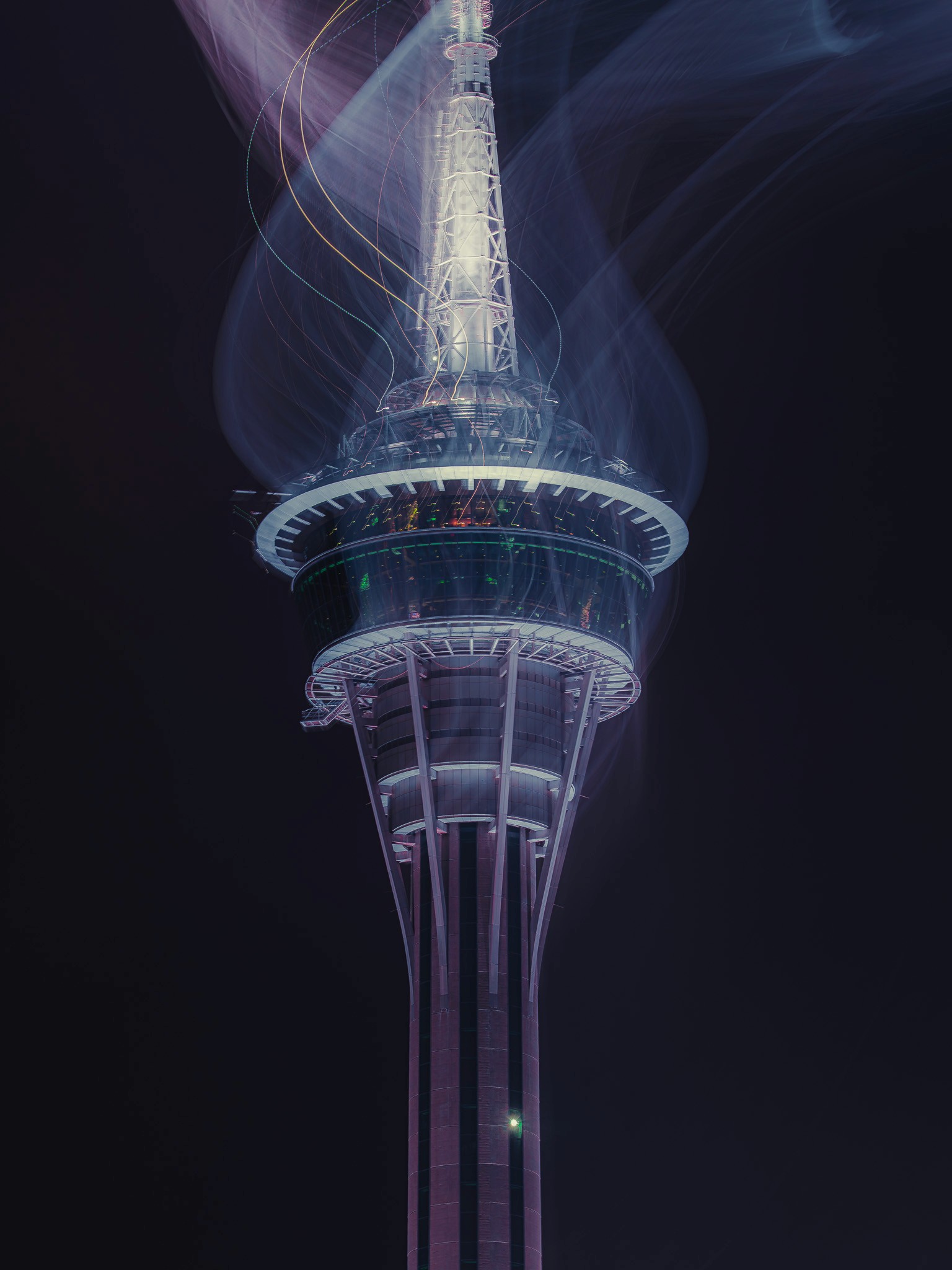
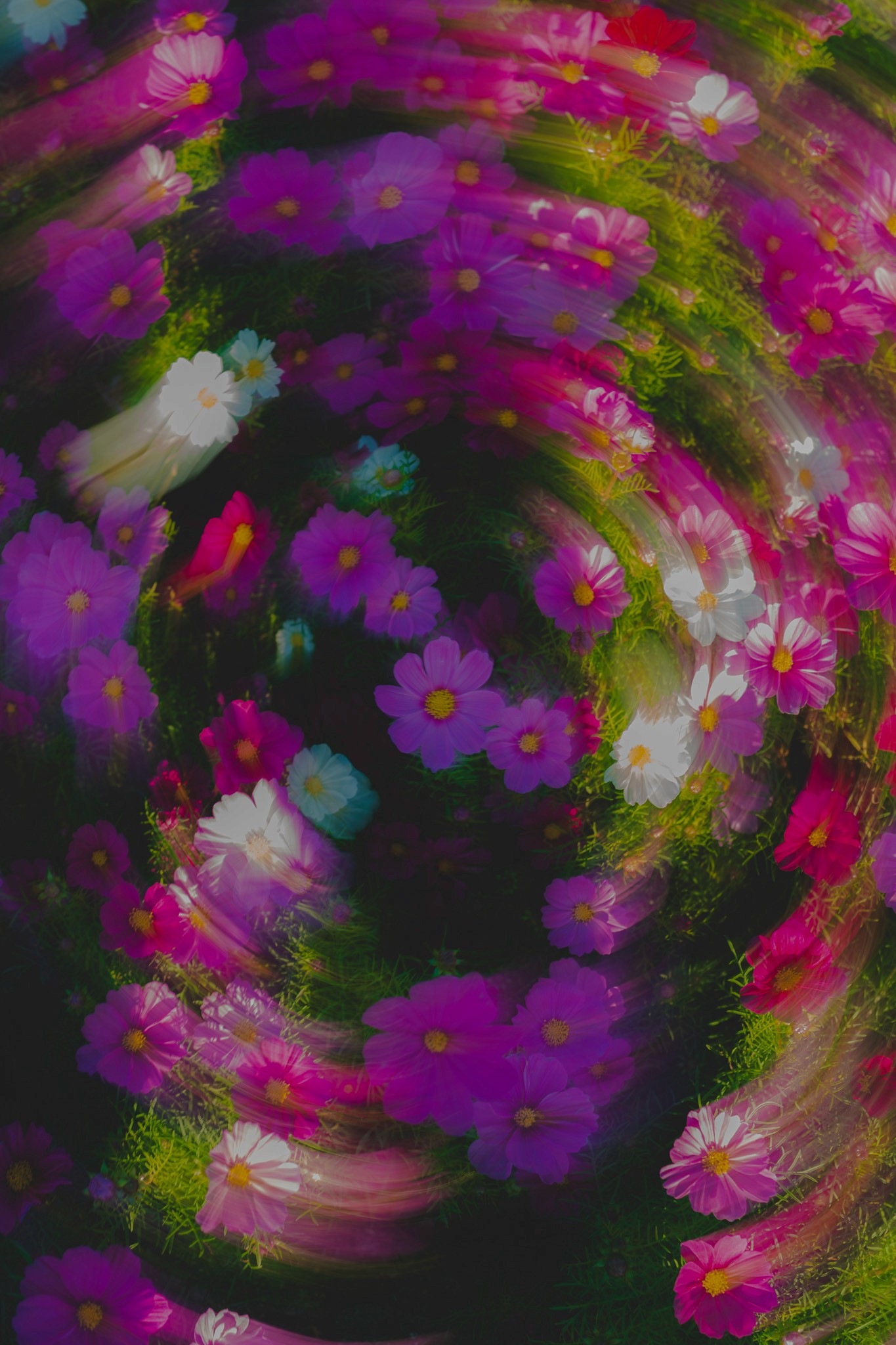
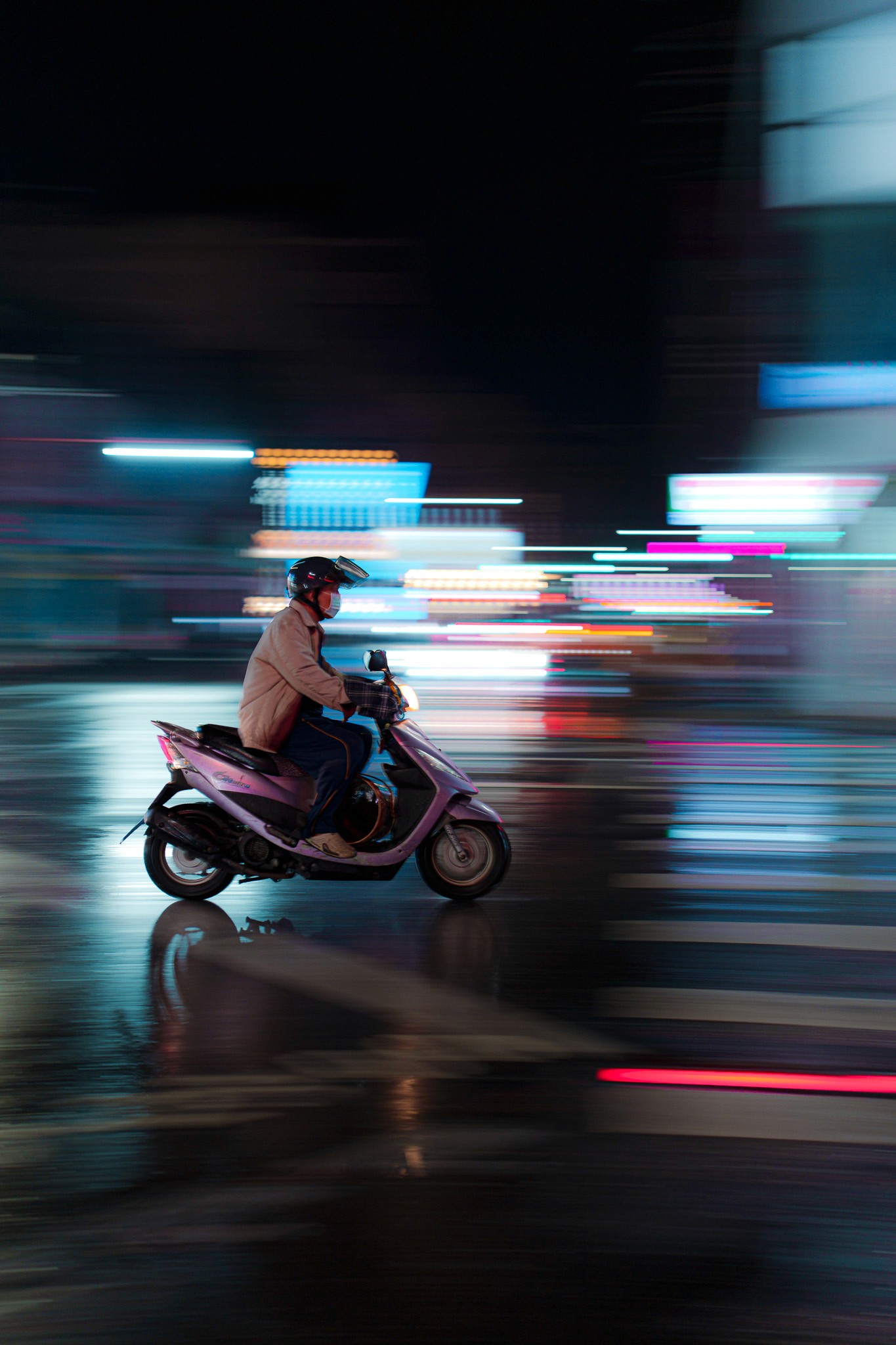
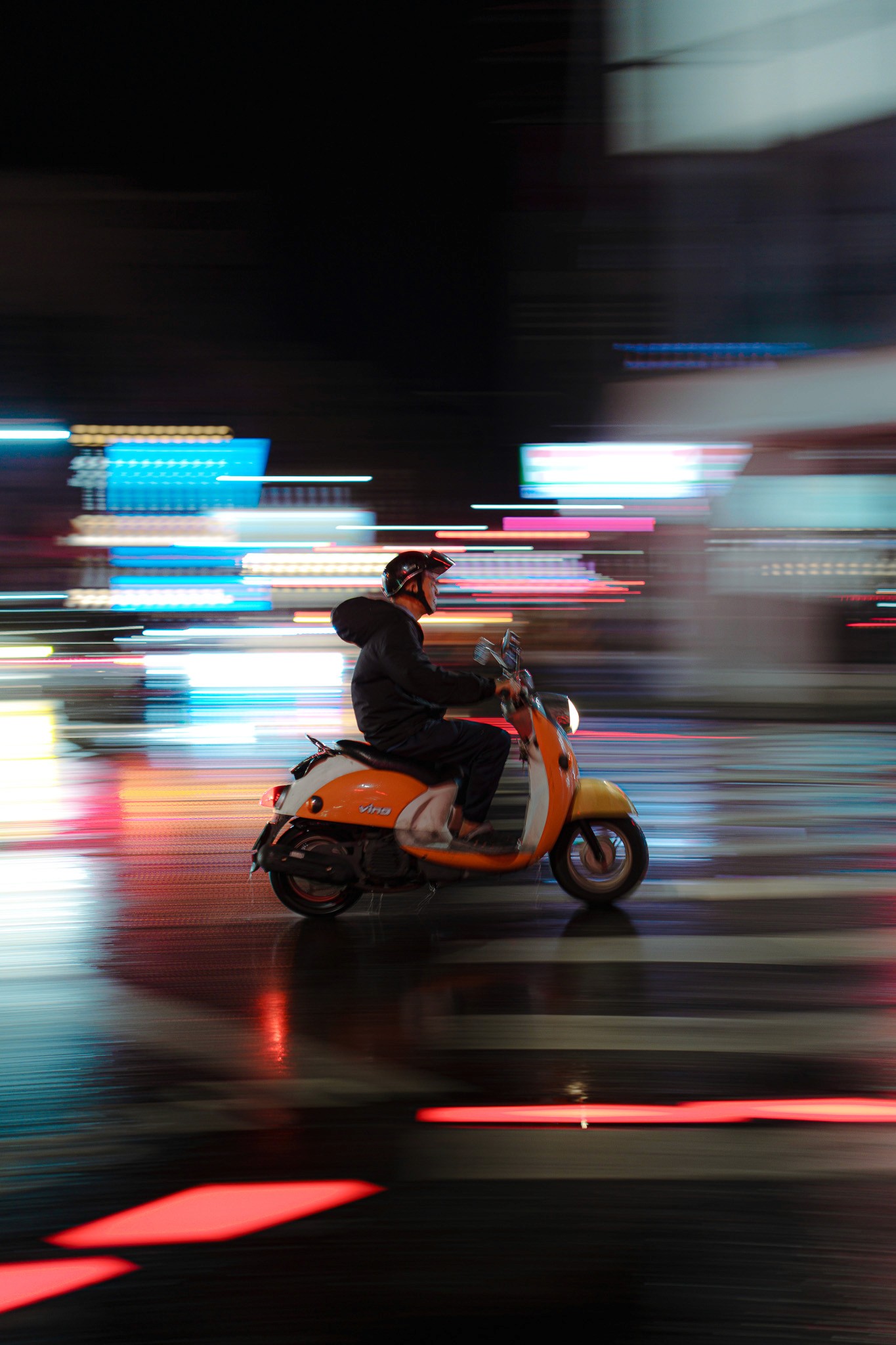
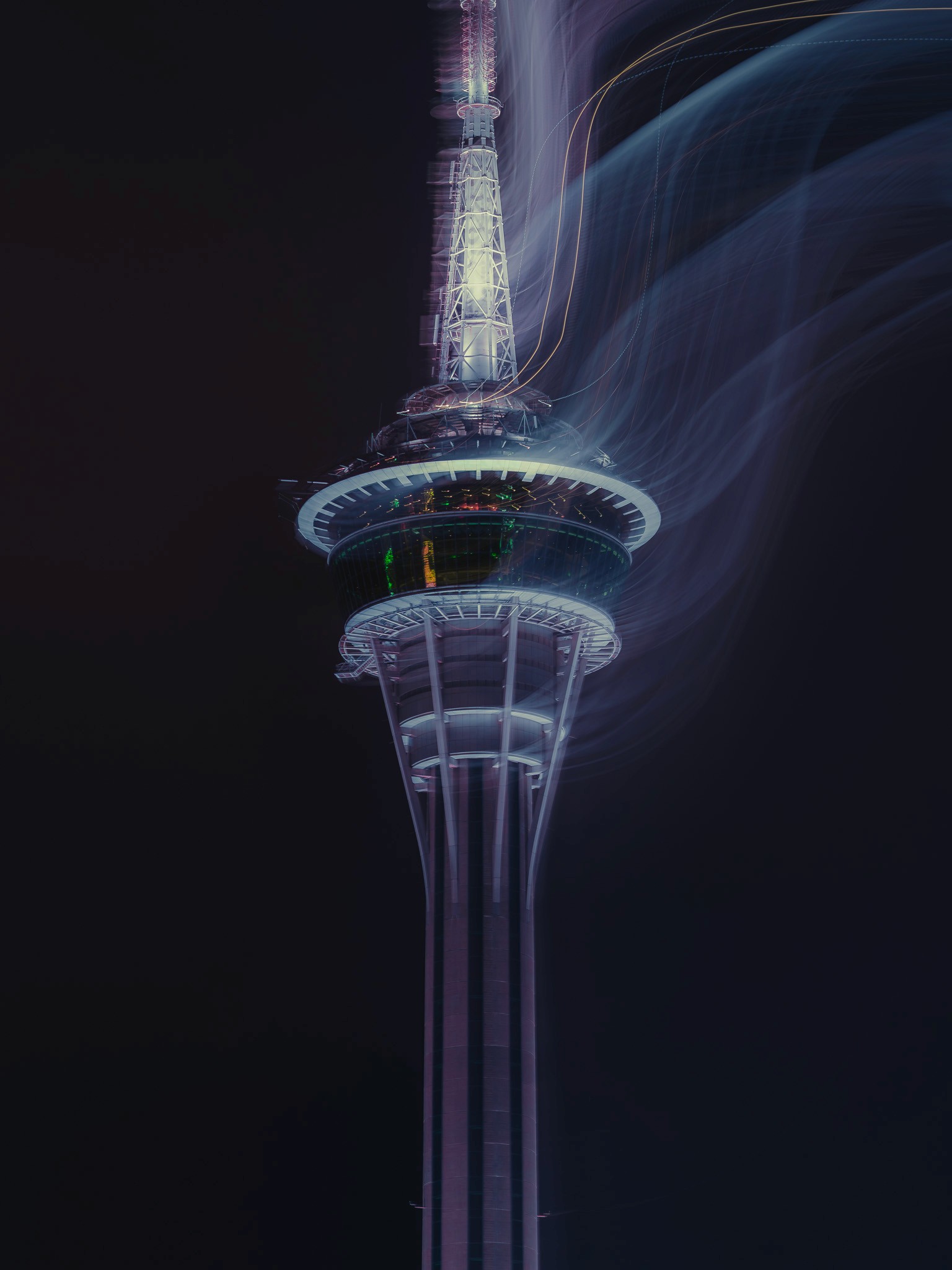
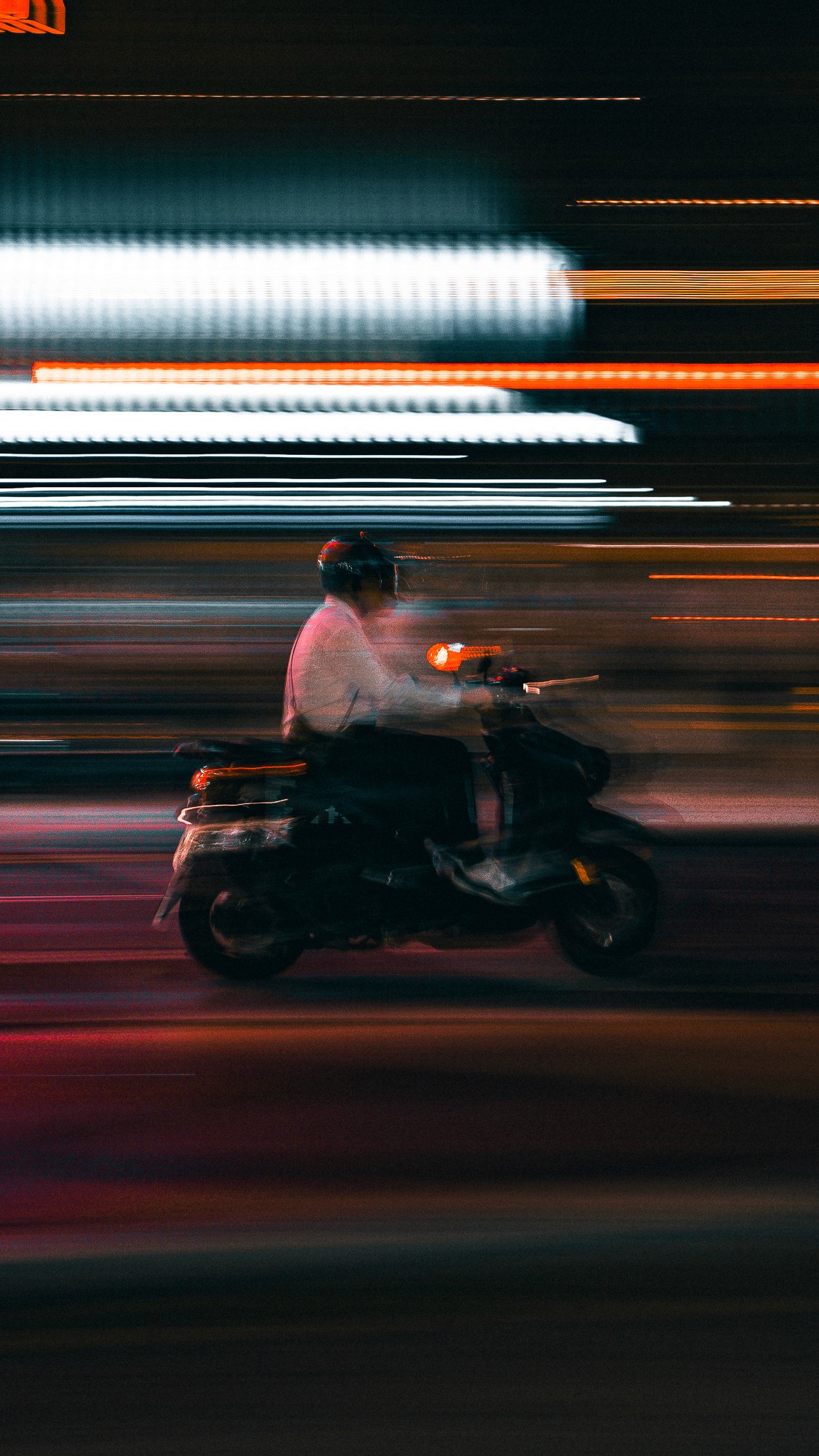
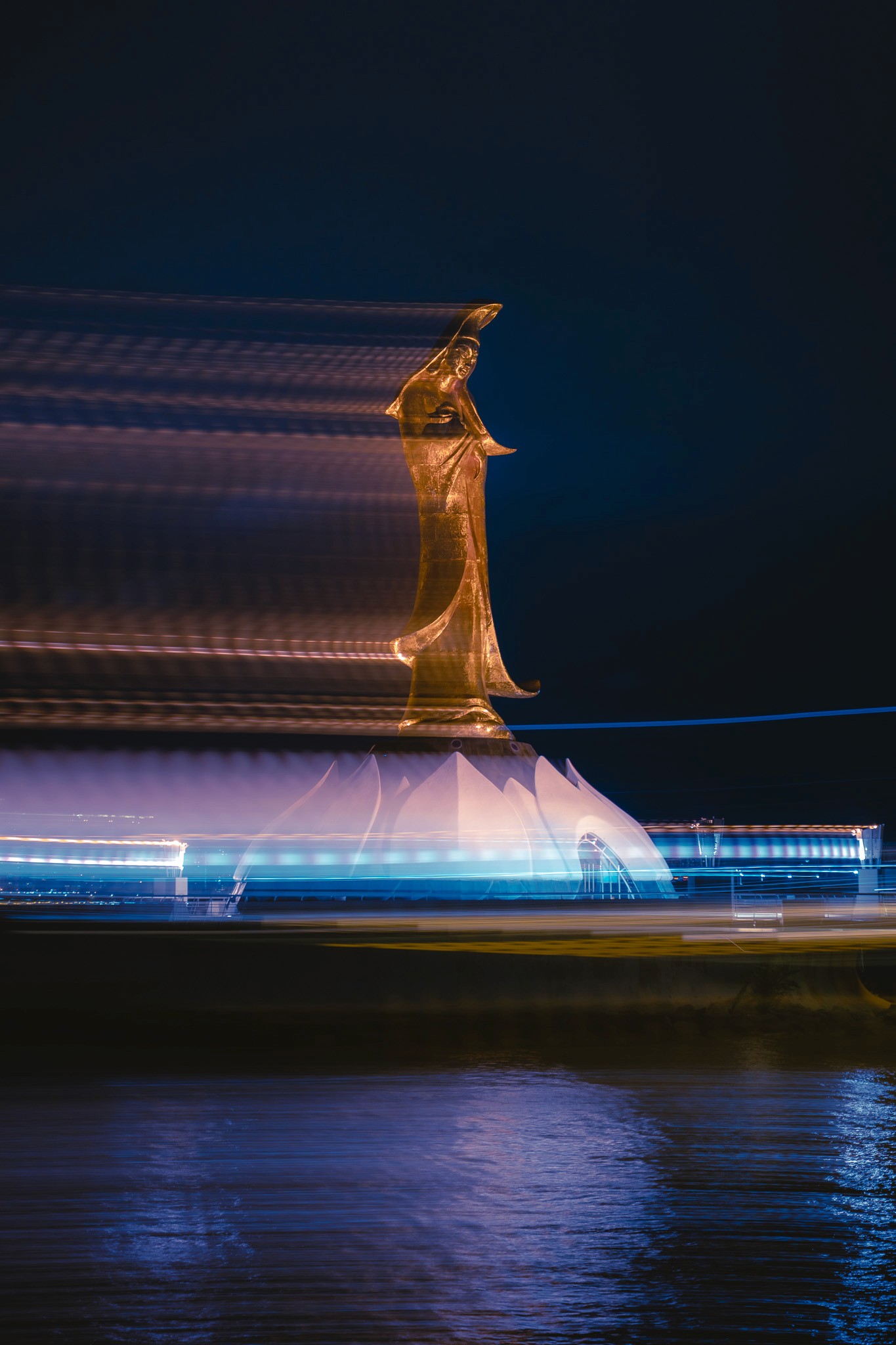
Stephen Lladones' photographs of Macau split into two modes and the tension between them. Some images are completely still. Others are in full motion. Neon lights pulled into long horizontal streaks behind a motorcyclist, lanterns dissolved into red and yellow smears, the Macau Tower ringed with light trails that look more like brushstrokes than exposure. He captures both the calm moments and the rushing emotion of life.
He's a music professor working with a Sony A7C II through the streets of Macau, a city that runs on neon and mixed light and the particular energy of a place that exists between two cultures. The shutter drag technique he's built his practice around is harder than it looks. You have to know which part of the subject will drag and which will hold, and you have to feel it in the half-second of the exposure. He's been doing this long enough that he knows the result before he presses the shutter.
What he's working against is modern camera technology, which has been engineered specifically to eliminate what he's chasing. Stabilization, autofocus, burst mode: all of it designed to make the image clean and still and upright. Stephen is moving the camera on purpose, pulling motion back into a medium that keeps trying to remove it.
'Untitled', 2026
What first drew you to street photography?
What first drew me to street photography is how natural it feels. I love that you're capturing real moments as they happen, and the challenge is that nothing is staged or expected. The setup is never perfect, and that's exactly what makes it exciting.
Do you remember the first image you made that felt like yours? What was it?
Yes, I remember it clearly. It was a shot of an old man walking through a ray of light. He looked exhausted, like he had been carrying the weight of the whole day. That image felt like mine because it wasn't posed or planned, it was just real. And to me, that photo was epic.
What does Macau offer you visually that other places wouldn’t?
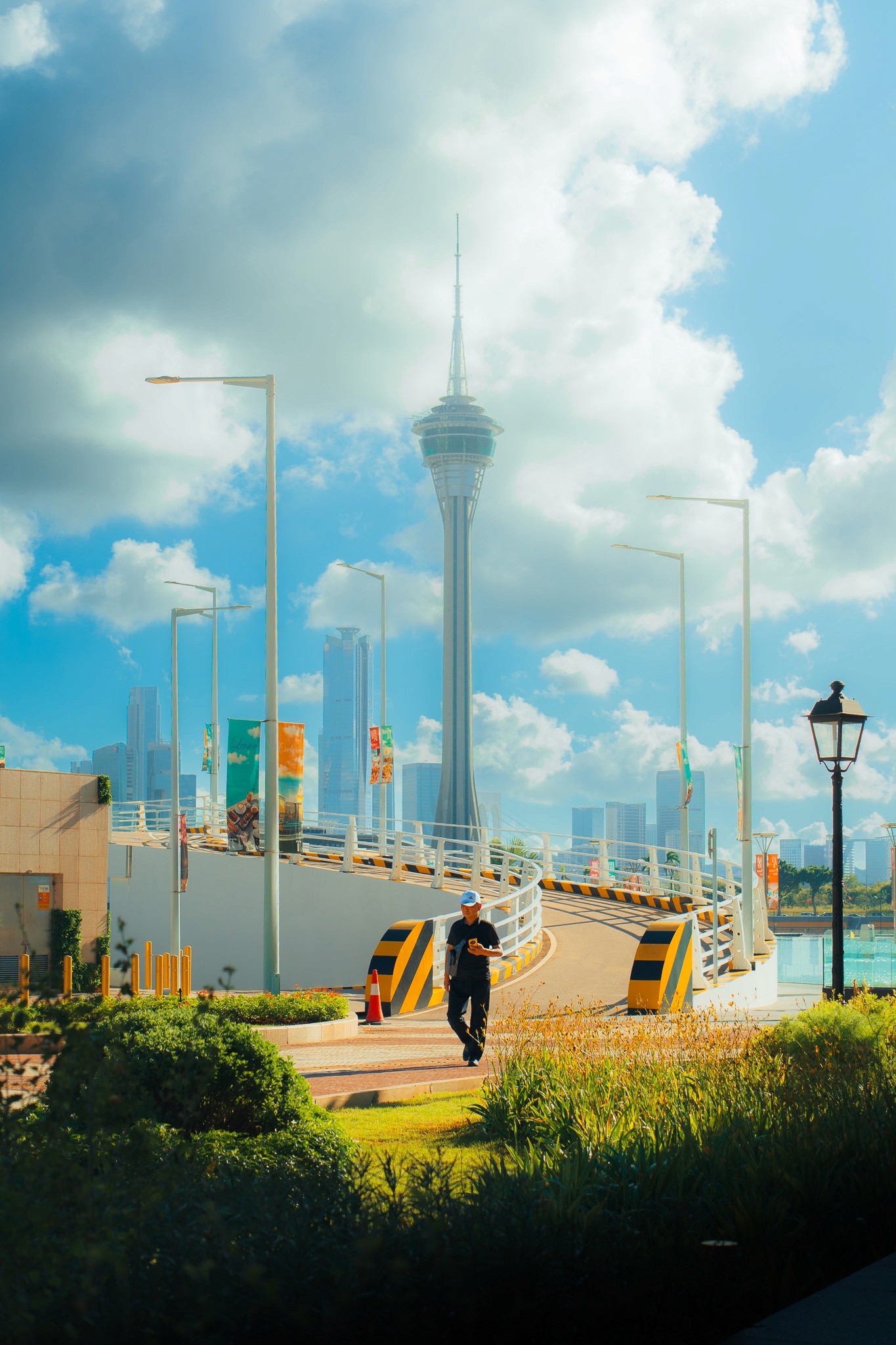
Macau is small, but visually, it's incredibly rich. The culture here is vast, a mix of Portuguese and Chinese influences that you see in the architecture, the light, the way people move through the streets. What makes it unique for me is how safe it feels. I can walk around with my camera, fully focused, without worrying about my gear. That sense of safety lets me shoot freely. I work as a music teacher. Music was my first passion, but photography has become my way to ease stress and see the city differently. Macau gives me the space to do that.
How much of your work is shaped by where you live versus how you see?
I'd say it's mostly me, the way I see things. But Macau makes my job easier because it's such a beautiful city to shoot in. The environment supports what I'm trying to do, but the perspective comes from inside.
When you’re walking the street, what are you actually looking for?
When I'm walking the street, I'm looking for a setup that carries deep emotion and feels like an epic scene. I don't like shooting strangers without context, the moment has to mean something. It's not just about a person passing by; it's about what they're carrying in that moment, and how the environment speaks to it.
Your images feel timed, but also accidental. How do you know when to shoot?
I first look for the setup, the light, the background, the composition. Then I envision what that scene needs to become a strong image. After that, I wait. I wait for the right timing to match what I saw in my head. So, it's not random, it's patient anticipation.
I'd say my process is more controlled, but there's always a little bit of reactiveness in street photography. You have to be ready at all times, because sometimes a moment happens that you didn't plan for, and you need to capture it instantly. But in general, I prefer to find my setup first, then wait. So more controlled, but never fully controlled.
'Untitled', 2026
What does a “missed shot” look like to you?
A missed shot is when what I captured doesn't match what I envisioned. And yeah, it makes me mad at myself sometimes, whatever the reason was. But even then, I still take the shot. Because in street photography, there's no such thing as a perfect shot. You work with what you get.
At what point did blur stop being a mistake and start being a tool?
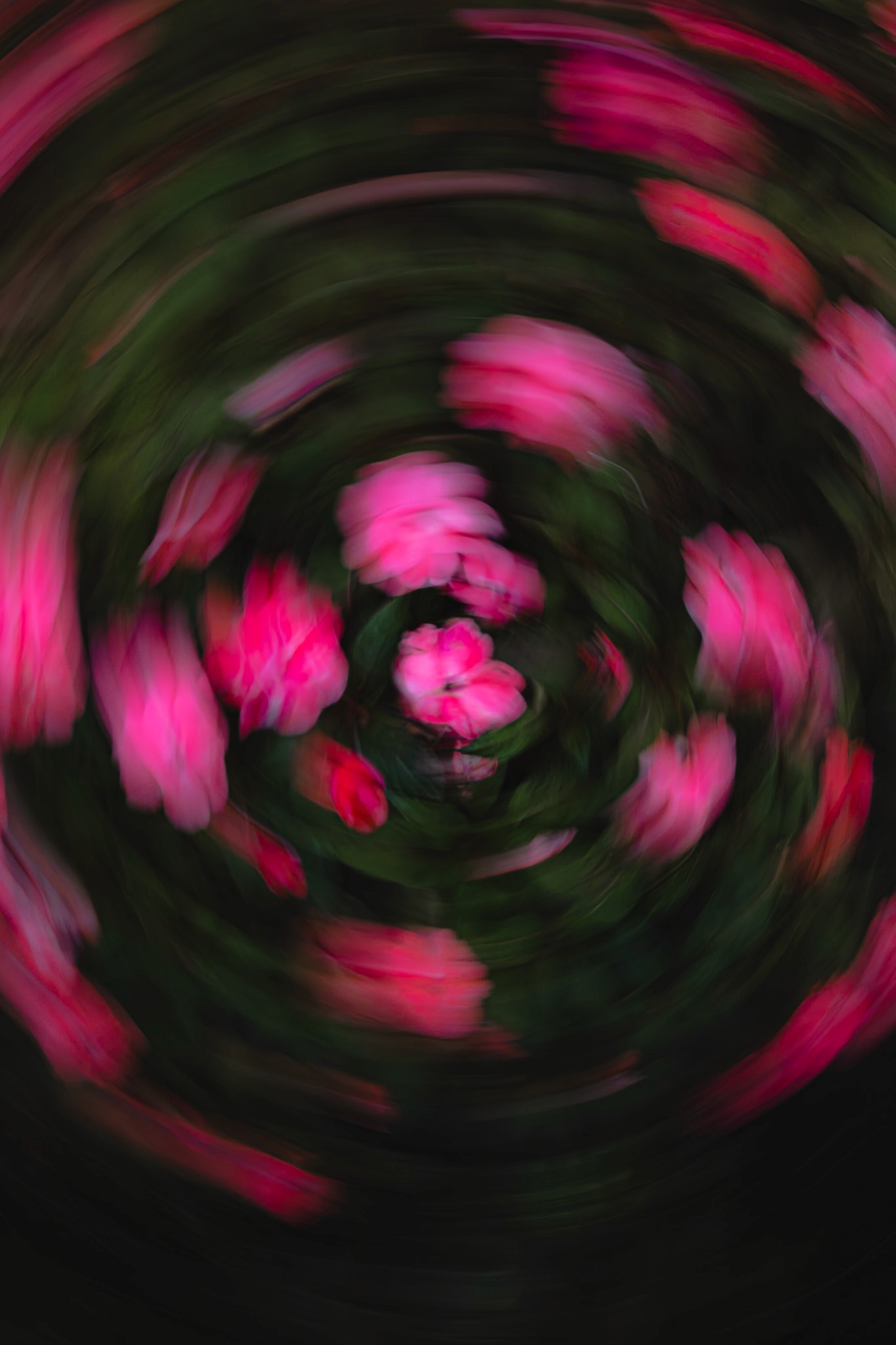
For me, blur stopped being a mistake the moment I started using slow shutter intentionally. I know when to use it and when not to. It's not an accident anymore, it's a deliberate choice to add motion, emotion, or energy to the image.
Your photos feel fast but also calm at the center. Is that intentional?
Yes, it's very intentional. That contrast, fast motion on the outside, calm at the center, is exactly how I envision my images. I want the viewer to feel the energy of the street, but also find a moment of stillness within it.
You mentioned shutter drag—what does that technique feel like when you’re actually shooting?
Shutter drag is genuinely difficult. You need a very steady hand, and the drag has to be intentional, not random. You have to know exactly which part of the subject will be dragged and how it will affect the final image. It's a controlled chaos, and when you're shooting, you can feel whether it's working or not in that split second.
How much of your work is decided before you press the shutter versus during the exposure?
It really depends on how I envision the image. But as a photographer, you need to know your camera; its strengths, its limits, what it can and can't do. Some decisions are made before I press the shutter, like composition and timing. Others happen during the exposure, especially when I'm using motion or shutter drag. Both parts matter.
Are you chasing a specific look each time, or letting the scene dictate it?
I'm not chasing a specific person or scene. If it passes me, I let it go and move on. I prefer to wait for the image I've envisioned in my head. But sometimes, and I'm always grateful for this, an unexpected moment finds me. Like one time I was on the bus, just holding my camera, and I captured this amazing shot of a guy reading his book with this perfect 90's look. That wasn't planned. It was just great. So, I'd say: I wait for my vision, but I stay ready for luck.
How long did it take before you could control this technique consistently?
If they're asking about shutter drag or intentional motion blur, it took me about a couple of months of regular practice before I could control it consistently. Before that, there was a lot of guessing. After six months, I started to know what the result would look like before I even pressed the shutter.
What’s harder: getting the subject right, or getting the motion right?
Getting the motion right is harder. The subject can be perfect, but if the motion isn't controlled, if the drag is off or the blur doesn't land where I want it, the whole image falls apart. Motion is the unpredictable part. That's what makes it challenging, and also what makes it rewarding.
A lot of people assume your images are edited. Why do you think that is?
I think a lot of people assume my images are edited because they don't fully understand photography, and honestly, many don't know how to use their cameras beyond automatic settings. When they see motion blur or shutter drag done intentionally, it looks unnatural to them. So, they assume it must be Photoshop. But it's not, it's just knowing your camera and using it creatively.
Does it bother you when people think it’s Photoshop?
It doesn't bother me when someone personally thinks my work is Photoshop. What bothers me is when other people hear that and believe it as truth, because then it spreads, and a technique I worked hard to master gets dismissed as fake. Honestly, I'm not really interested in the opinion of people who aren't photographers. I know a lot of photographers, and none of them react that way, because they know the technique is real. That's what matters to me.
What does “real” mean to you in photography?
To me, photography should be real. That's why my content is POV photography, I want people to see what's behind every shot. The story matters more than anything: the technique used, the timing, the intention. Real isn't just about not using Photoshop. It's about honesty in every step of the process.
Do you feel like people trust images less now than they used to?
Yes, I do. Because of AI, people trust images less than they used to. You can't always tell what's real anymore. That's actually one of the reasons I focus on POV photography. I want people to see the process, the setup, the moment of capture. I want them to know it's real.
Have you ever felt pressure to prove that your work is real?
No, I've never felt pressure to prove my work is real. Because I know it's real. And I usually show the setup, the scene, the light, the process, before the final shot. So, the proof is already there for anyone who wants to see it.
How many frames does it take to get one image you keep?
It takes a lot of frames sometimes, but it really depends on the subject and the setup. I'm not a burst mode photographer. I prefer just a few shots, maybe more if the moment keeps evolving. But at the end of the day, it all depends on how I envision the image. Quality over quantity.
Do you shoot the same locations over and over, or avoid repetition?
As much as possible, I avoid repetition. I don't like shooting the same locations over and over unless something has changed, the light, the mood, the people. I'm always looking for new scenes to keep my work honest and evolving.
What role does discipline play in your work?
Discipline plays a big role in my work. I need to be disciplined to keep showing up, to wait for the right moment, to master my technique. But honestly, I don't feel like I'm fighting myself to do it. Photography is my passion, so discipline doesn't feel like force. It just feels like showing up for something I love.
'Untitled', 2026
What keeps you going back out to shoot?
Two things keep me going back out to shoot. First, to capture an epic picture. A cool, awesome shot that I'll remember for the rest of my life. And second, to share what I know about photography. That's it. That's what drives me.
Your work relies heavily on light, both artificial and natural. What draws you to light?
For me, photography is about light and dark. It's not just about the subject, it's about how the subject looks because of the light. Light shapes everything. It adds mood, depth, and emotion. That's what draws me to it.
What kind of light excites you the most? Natural or artificial?
Natural light excites me the most, specifically, the ray of the sun. I love sunny days. To be honest, I don't like cloudy weather. For me, it's either sun or rain. Both have drama. Clouds just feel flat.
Have you ever walked away from a scene because it looked good but felt wrong?
Yes, a lot of times. I've walked away from scenes that looked good on the surface but just felt wrong. Sometimes the setup isn't right, the light, the composition, the energy. So I move on and tell myself: maybe not this time. And that's okay.
What do you want someone to feel when they see your work?
What I want someone to feel when they see my work is what I felt when I envisioned the picture. If they understand it the same way I do, the mood, the motion, the intention behind it, then to me, that's a great achievement. It means we connected through the image.
Is there a difference between how you see the image and how others interpret it?
Ideally, I want people to see and feel what I saw when I made the image. That's the goal. But I also know that interpretation is subjective. Everyone brings their own experiences to a photo. And that's okay, in fact, that's what makes photography beautiful.
Is photography how you make a living?
No, photography is not how I make a living. I'm actually a music professor, music was my first passion. But over time, it started to feel more like a job. Meanwhile, there's something inside me that keeps pulling me toward photography. I find it very interesting and deeply fulfilling. For years, I've had this passion for photography because I love art and music equally, but right now, photography is where my heart feels most alive.
What’s next for you?
What's next for me is simple: keep doing photography and get better every day. I want to keep growing as an artist. And hopefully, no matter how technology or trends change, my work stays effective. That it still moves people the way it moves me.
Stephen has been shooting long enough to know the result before he presses the shutter. That kind of fluency takes years to build, and it shows in the way he talks about his work: not as a series of techniques but as a set of commitments. To motion. To light. To the version of the image he already sees before the scene has finished happening.
What makes his work hold is the same thing that makes it hard to explain to people who haven't made it themselves. The blur is not an accident he kept. The drag is not a filter. These are decisions made in half a second with a steady hand and enough practice to know the difference between controlled and careless. The camera resists it. He does it anyway.
He says he wants people to feel what he felt when he envisioned the picture. That's a high bar, and he sets it for himself every time he goes out. Not to document Macau as it is, but to return something of how it feels to move through it, to stand inside its light, to wait for the moment that matches what's already in his head. He keeps going back out. The city keeps giving him something to work with.

Articles
Magazine
Submissions